
Reviewed · WILD ATLANTIC WAY TOURS
From Dublin: 3-Day Dingle, Killarney & the Wild Atlantic Way
Ireland packs a lot into three days here: a ruined monastic city, cliff-edged roads, Irish-speaking villages, beaches, waterfalls, and medieval stonework. The real prize is Dingle Peninsula, where the road, sea, and old farmsteads keep you looking out the window.
I like the small group of up to 16 and the two-night stay in Dingle, which saves you from packing every morning. I also like the mix of famous places and quieter stops such as Rock of Dunamase and Adare. The tradeoff is a busy schedule, with long road sections and admission fees and meals extra.
The strongest part of the trip may be the guide. Tom is praised for making the west of Ireland feel personal, sharing local stories, and driving safely through flooding and strong winds. Still, B&Bs can sit 20 to 30 minutes on foot from pubs and restaurants, and there are no lifts in these small properties.
Key points at a glance
- Dingle gets two nights: Use the same base for the peninsula day instead of changing rooms each evening.
- A 16-seat Mercedes mini-coach: The small vehicle suits narrow Irish roads better than a full-size coach.
- Glendalough starts the trip quietly: Lakes and monastic ruins offer a calm opening south of Dublin.
- Dingle brings the Irish language into view: The peninsula enters the Gaeltacht, where Irish is the main local language.
- The final day mixes nature and medieval Ireland: Torc Waterfall, Killarney, and the Rock of Cashel make a strong finish.
- Pack light: One 14-kilogram carry-on-sized case and one small personal bag are allowed per person.
Why this three-day route works
This is a fast but well-shaped introduction to southwest Ireland. You are not simply collecting postcard stops. The route moves from Wicklow’s quiet valley to the open Atlantic coast, then turns inland through Killarney and County Tipperary before returning to Dublin.
I like that the trip gives Dingle enough time to matter. Many tours reach the peninsula, take a quick look, and leave. Here, you spend two nights in Dingle and devote the second day to the peninsula itself. That makes the trip feel less like a string of bus stops.
The price is $684 per person. That is a serious outlay, but it covers transport, a driver-guide, two nights in an en-suite B&B or guesthouse, and breakfast. You are paying for the route, the small vehicle, and the ease of not arranging several difficult-to-connect areas yourself. You still need to budget for lunches, dinners, refreshments, and admission fees.
More Wild Atlantic Way Tours in Dingle:
- 3-Day Dingle, Killarney and the Wild Atlantic Way Small-Group Tour from Dublin
★ 4.5 · 10 reviews - Dublin to Cliffs of Moher, including Wild Atlantic Way and Galway
★ 5.0 · 23,331 reviews - Dublin to Cliffs of Moher, Burren, Wild Atlantic Way, Galway Tour
★ 5.0 · 12,924 reviews
Leaving Dublin for Glendalough
The tour begins opposite the Kilkenny Shop at 6 Nassau Street in Dublin 2. From there, the mini-coach heads south through the Wicklow Mountains toward Glendalough.
Glendalough is a fine first stop because it slows the pace before the longer drive west. Its monastic remains sit in a peaceful valley beside two lakes. You get free time to walk, look over the ruins, and visit the visitor center for more background.
I find this kind of opening useful. You can stretch your legs, take in the setting, and begin with Ireland’s spiritual past rather than rushing straight toward the coast. The ruins are not presented as a single polished attraction. Their appeal comes from the valley, the old stone buildings, and the sense of a community once organized around this remote place.
Time here is free rather than tightly programmed, so ask your guide how much walking makes sense. The stop should suit most people who can manage an easy outdoor visit, but you will want sensible shoes and a rain layer. Irish weather can change quickly, and the first day includes several outdoor stops.
Kilcullen, Rock of Dunamase, and Adare
After Glendalough, the route continues west to Kilcullen for lunch. Meals are not included, so this is your chance to buy food and a drink before the afternoon stops.
Kilcullen is a traditional market town, not a grand monument. That is part of its value. A lunch break in a working town gives the day a more ordinary Irish rhythm and keeps you from spending every pause inside a formal attraction.
Next comes Rock of Dunamase, with the ruins of Dunamase Castle in County Laois. The site sits on the ancient plains and adds a strong sense of place to the route. You are looking across open country while examining a ruined defensive site, a useful contrast to Glendalough’s sheltered valley.
The day then turns to Adare, often called Ireland’s prettiest village. Its thatched cottages and old buildings make it one of the more immediately photogenic stops. You can also see the ruins of a 15th-century Franciscan Monastery.
Adare is likely to be one of the quickest-feeling stops because the day still has a long way to go. I would treat it as a chance to walk, take photographs, and notice the old structures rather than expecting a full town visit. The reward is variety: after mountain scenery and castle ruins, you get a village shaped by cottages and religious remains.
Two nights in Dingle
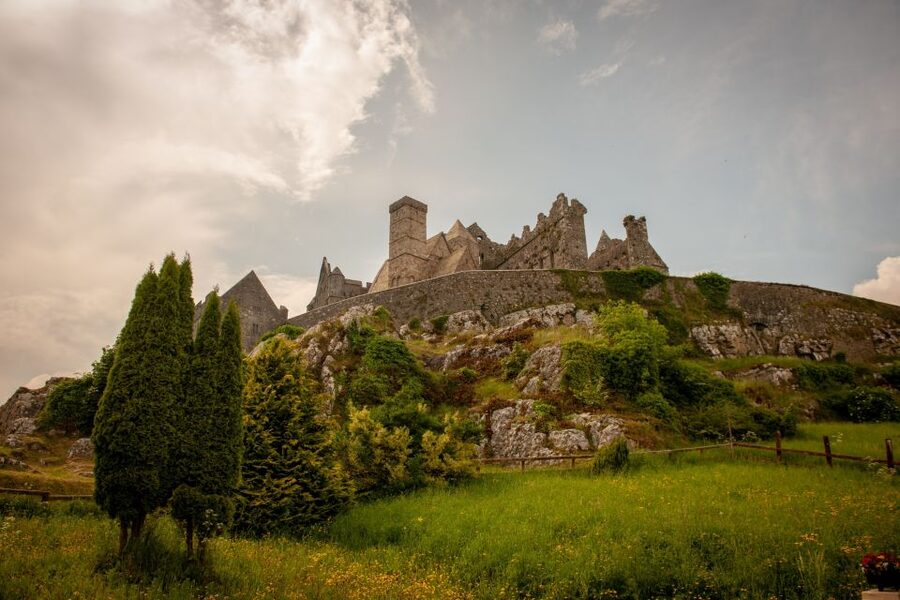
By evening, you reach County Kerry and the Dingle Peninsula. Dingle is your base for the next two nights, which is one of the smartest choices in the trip.
Small, locally owned B&Bs and guesthouses provide en-suite rooms and breakfast. The exact property comes from a selection, so the setup may vary. Some are on the outskirts of town, with a 20 to 30 minute walk to pubs and restaurants. If you prefer to stay close to the center, ask about the location before departure.
The accommodation is practical rather than hotel-like. You should also mention any trouble with stairs in advance because these properties will not have lifts. Pack a small bag for the room if you can, since the luggage limit is one piece of up to 14 kilograms, roughly airline carry-on size, plus a small onboard bag.
The two-night arrangement matters. You can leave most of your luggage in the room while exploring Dingle Peninsula on day two. That makes the narrow roads and frequent stops easier to enjoy.
A few more Dingle days to weigh up
- 3-Day Blarney Castle, Ring of Kerry, & Cliffs of Moher Rail tour
★ 4.5 · 211 reviews - 3-Day Southern Ireland Tour Including Galway and Kerry from Dublin
★ 4.5 · 123 reviews - From Dublin: Galway and Kerry 3-Day Budget Tour
★ 4.3 · 66 reviews - 3-Day Northern Ireland Tour from Dublin: Giant’s Causeway & Titanic Experience
★ 3.5 · 20 reviews
Dingle Peninsula and the Gaeltacht
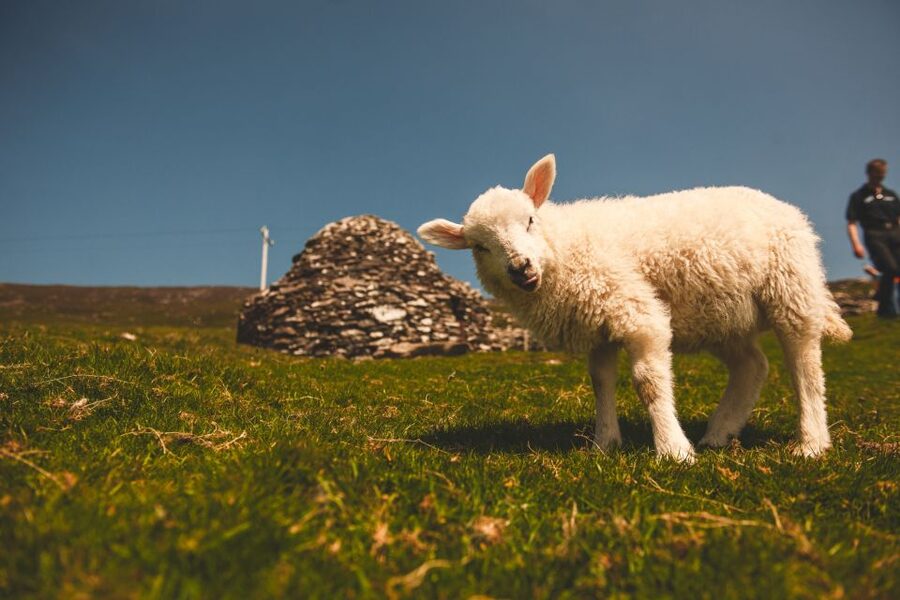
Day two is the heart of the tour. The route reaches the Gaeltacht, areas where Irish is the principal language of local people. You will see more than scenery here. The peninsula connects the road trip to a living part of Irish culture and language.
The route includes Conor Pass, Tóchar Maothaithe, the Beehive Huts, Slea Head, and Gallarus Oratory. Each stop adds a different piece to the story of the peninsula.
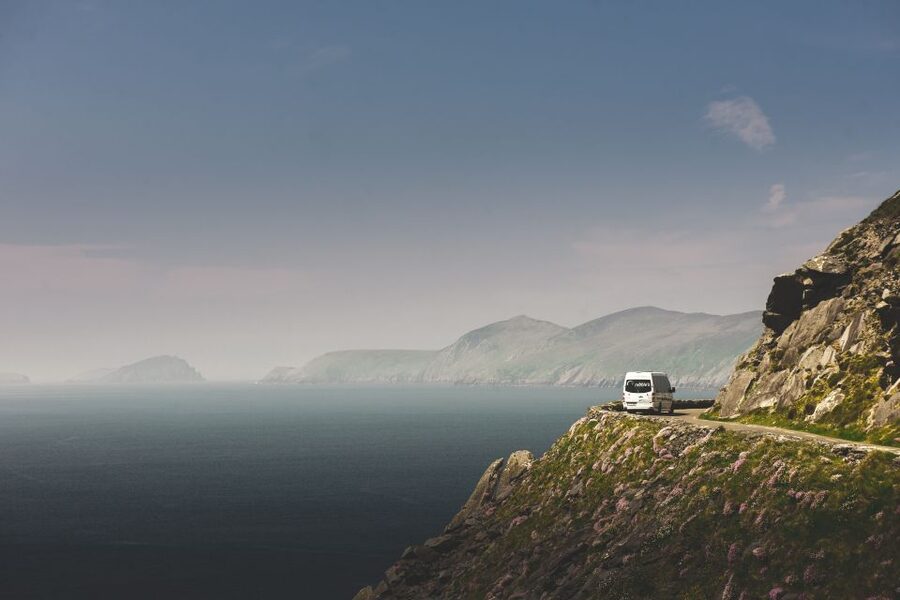
Conor Pass brings high views and exposed mountain scenery. Wind and weather are part of the experience, not a minor inconvenience, so hold onto hats and bring waterproof clothing. The road itself is one reason a small mini-coach is useful, though the exact time spent at each point depends on conditions and the group.
The Beehive Huts are among the most distinctive sights on the peninsula. Their dry-stone construction shows how much can be achieved without mortar. Gallarus Oratory offers another striking example of old stone building, with its carefully shaped form and unusual roof.
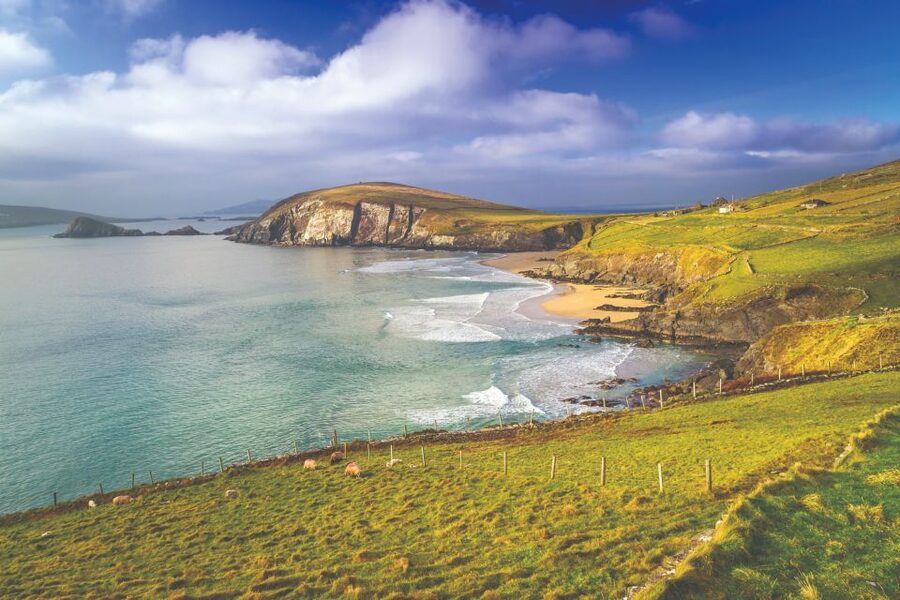
Slea Head is where the Atlantic setting becomes especially strong. You get sea views, open roads, and a clear sense of how exposed this part of Ireland is. Tóchar Maothaithe adds another stop to the day, helping the route move beyond the best-known viewpoints.
I like this day because the guide can connect the scenery to the people who live here. Tom, who has guided this route, is described as a strong storyteller who shares the peninsula’s history and lesser-known details. That matters on Dingle. Without context, the stops can blur into stone ruins and big views. With a good guide, you can understand why the Irish language, old buildings, and coastal setting belong together.
The drawback is that this is a full sightseeing day, not a relaxed day at the beach. You will make several stops, spend time on the road, and face exposed conditions. If you want long walks or hours alone in one village, this tour will feel too structured.
Inch Beach and the Kerry Mountains
Before leaving Dingle Peninsula on day three, the route stops at Inch Beach. From here, you can look toward the Kerry Mountains and the next part of the journey.
This is a useful transition stop. It gives you one final coastal view before the tour turns toward Killarney National Park. The beach also shows how quickly the scenery changes in this region: the Atlantic edge gives way to mountains, lakes, and woodland roads.
The schedule does not promise a long beach walk, so think of Inch as a scenic pause. Bring a waterproof jacket and shoes that can handle damp ground. The weather may be bright, wet, or windy, and the tour continues even when conditions are less than perfect.
Torc Waterfall and Killarney National Park
The route passes several lakes before a short walk to Torc Waterfall. The cascade drops about 20 meters and begins high in the mountains.
Torc is a good stop because it adds movement to a day that could otherwise be mostly views from the vehicle. The walk is short, but you should still be comfortable on an outdoor path. The waterfall also comes with an ancient curse story, giving the guide something more memorable to share than a measurement and a photograph.
Killarney is the lunch stop. It is a lively lakeside town and a practical place to eat before the final cross-country drive. You pay for lunch yourself, so this is another expense to plan alongside admission fees.
I like the way Killarney follows Torc. The waterfall gives you a short nature walk, then the town gives you a chance to sit down, eat, and experience a busy center before the quieter drive to Cashel. You will not have unlimited time, but the pause breaks up the day.
The Rock of Cashel and the return to Dublin
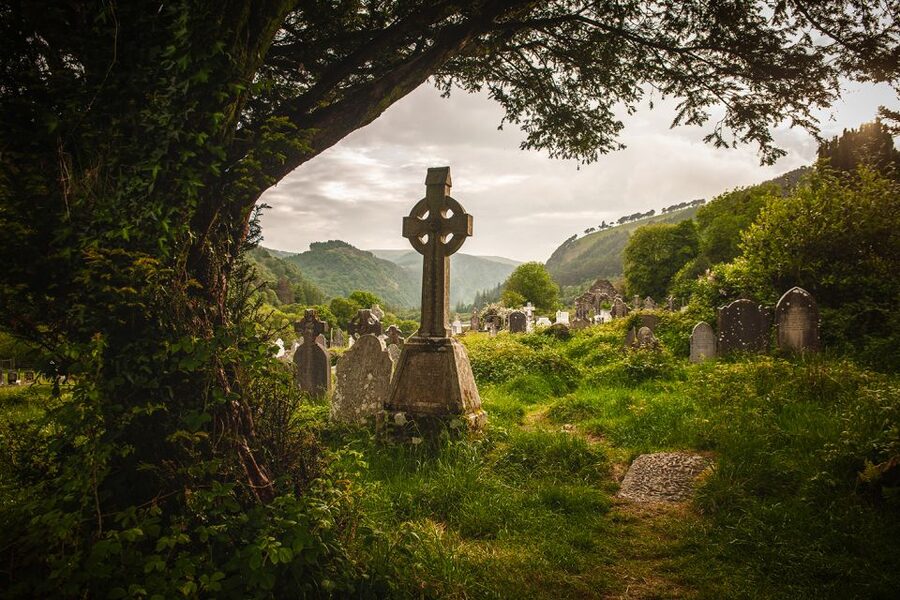
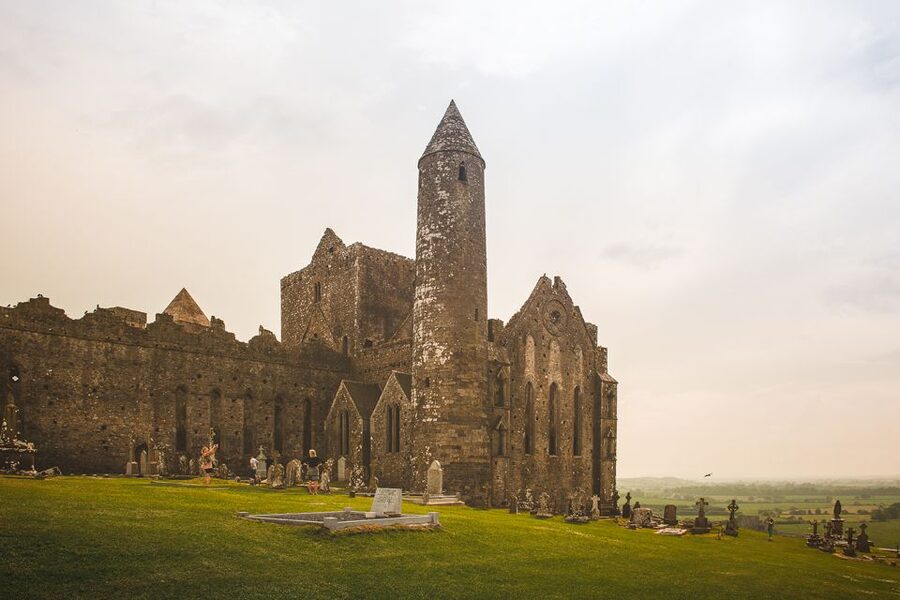
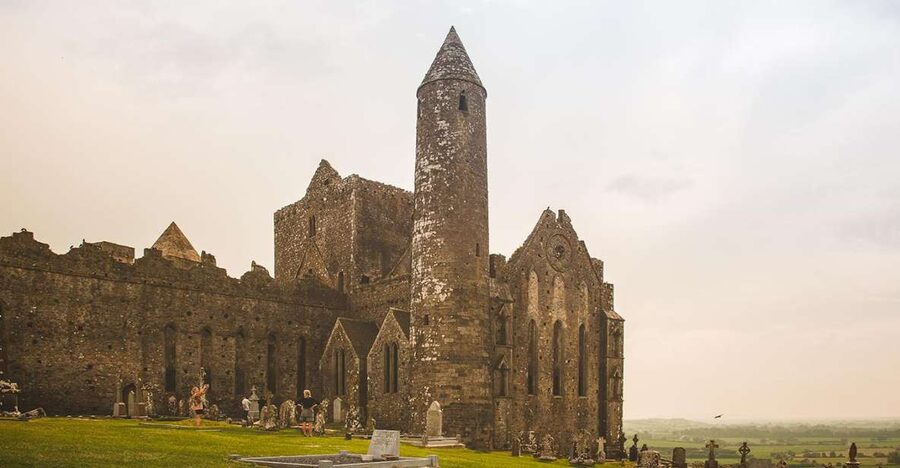
The last major sight is the Rock of Cashel, a group of medieval buildings set on a limestone outcrop. The position gives the site much of its drama. You will have time to see the Round Tower, High Cross, and Gothic Cathedral.
Cashel is an effective final stop because it brings the trip back to Ireland’s religious and political past. Glendalough opened with monastic ruins in a mountain valley. Cashel closes the sightseeing with a much larger medieval complex rising above the surrounding countryside.
Admission fees are not included, so check the cost before you go if you want to keep your budget tidy. The visit is also weather-sensitive, since much of the impact comes from the exposed setting and views around the site.
After Cashel, the mini-coach returns to Dublin. Arrival is expected around 7:00 PM at the original meeting point. That timing makes the tour a poor fit for a flight or fixed evening booking immediately afterward. Give yourself extra room for traffic and weather.
The mini-coach, guide, and group size
Transport is by a 16-seat Mercedes mini-coach, with a maximum group size of 16 participants. A smaller vehicle makes sense on roads around Dingle and Conor Pass, and it lets the guide speak to the group without the feel of a large coach excursion.
The guide is central to the experience. Tom is specifically praised for storytelling, local insight, flexibility, and safe driving in flooding and strong winds. Those details tell you what matters on this route. Weather can affect a coastal trip, and a calm driver and adaptable guide are practical assets, not just pleasant extras.
The tour is in English. Since the day includes long stretches between stops, a guide who can explain the places as you go adds real value. At the same time, a small group does not guarantee a private-tour pace. You will still follow a set route and share stops with other people.
What to pack and who should book
Pack light. The limit is 14 kilograms per person, with one carry-on-sized case measuring about 55 by 45 by 25 centimeters, plus a small personal bag. That is enough for three days if you avoid bulky clothing.
Bring comfortable walking shoes, a waterproof layer, and clothes that can handle wind. These are practical suggestions based on the outdoor stops and exposed coastal sites, not a promise of particular weather.
This tour suits you if you want to see a large section of southwest Ireland without renting a car or planning several overnight stays. It is especially useful for a first visit, solo travelers who prefer company, and couples who want a small group rather than a full-size bus.
Families can join as long as children are at least 5 years old. The long drives and changing weather may be tiring for younger children, even though the minimum age allows them to participate.
I would hesitate if you need hotel facilities, an elevator, a central room, or lots of free time. The B&B location may require a walk to dinner, and three days cannot provide a slow, detailed visit to every place on the route.
Should you book this Dingle and Killarney tour?
Book it if you want a carefully connected introduction to western Ireland, with Dingle as your base and a guide handling the roads. The strongest reasons are the small group, the unusual mix of Glendalough, Adare, Dingle, Killarney, and Cashel, and the chance to hear local stories from a guide such as Tom.
Skip it if you dislike fixed schedules or want to choose your own walks and meal times. At $684, it is not a budget bus ride, especially once you add food and admission fees. But for three days of transport, breakfast, two nights of en-suite accommodation, and a route that would be awkward to arrange alone, it can be a fair buy for the right kind of visitor.
FAQ
Where does the tour start and finish?
It starts opposite the Kilkenny Shop at 6 Nassau Street, Dublin 2, and returns to the same meeting point.
How long is the tour?
The experience lasts three days and is expected to return to Dublin at around 7:00 PM on the final day.
What type of transport is used?
You travel in a 16-seat Mercedes mini-coach with a driver-guide.
How large is the group?
The tour is limited to 16 participants.
Is accommodation included?
Yes. Two nights in an en-suite B&B or guesthouse, including breakfast, are included.
Are meals and attraction admission fees included?
No. Meals, refreshments, and admission fees are not included.
How much luggage can I bring?
You may bring one piece of luggage up to 14 kilograms, similar to an airline carry-on, plus one small personal bag.
What is the minimum age?
The minimum age is 5 years old.
Just added around Dingle
- 3-Day Dingle, Killarney and the Wild Atlantic Way Small-Group Tour from Dublin★ 4.5 · 10 reviews
- Wildlife Tour★ 5.0 · 31 reviews
- Sea Fishing 2 hour★ 5.0 · 16 reviews
- Slea Head Photo & Sightseeing Tour★ 5.0 · 48 reviews
- Private family sea safari★ 5.0 · 80 reviews
- Dingle Boat Tours RIB Adventure Private★ 5.0 · 8 reviews
- Private 1-Hour Guided Boat Tour in Dingle Peninsula★ 5.0 · 39 reviews
- Dolphin & Whale Watching (4hrs) + Blasket Island Landing (3hrs)★ 5.0 · 20 reviews
Wild Atlantic Way Tours, compared.
Dublin to Cliffs of Moher, including Wild Atlantic Way and Galway
Our verdict on it →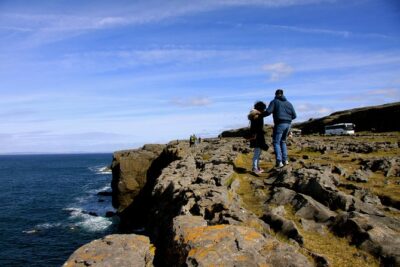
Dublin to Cliffs of Moher, Burren, Wild Atlantic Way, Galway Tour
Our verdict on it →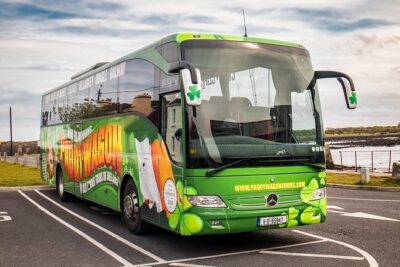
Cliffs of Moher Day Tour from Dublin: Including The Wild Atlantic Way
Our verdict on it →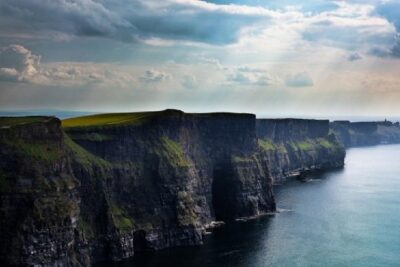
Cliffs of Moher Day Tour from Limerick: Wild Atlantic Way
Our verdict on it →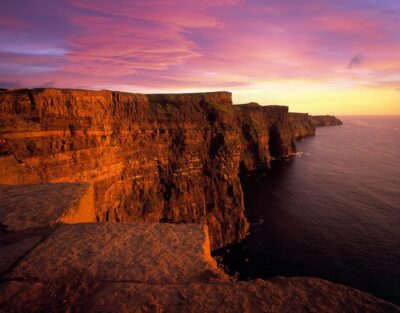
Browse the lists this tour appears in