
Reviewed · HISTORICAL TOURS
Cobh: Guided Historic Walking Tour
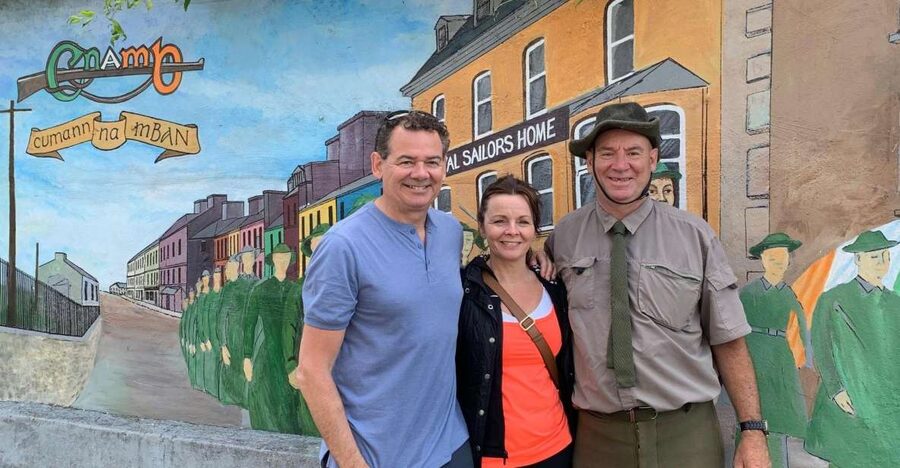
Cobh’s past comes alive most clearly at the places where it happened. This two-hour walk takes you to 16 sites linked to Irish republican activity, including ambush positions, safe houses, training halls, barracks, and detention centers. Guide Kieran adds local stories and personal warmth, turning a town walk into a close look at Ireland’s fight for independence.
I like the small-scale, conversational style and the way the tour connects national events to ordinary streets and buildings. I also like that the pace is unhurried, with time for questions rather than a nonstop speech. The main drawback is practical: a small hill comes at the start, and the tour is not suitable for people with mobility impairments.
Key points to know
- Sixteen real locations: Visit former ambush sites, safe houses, training halls, barracks, and detention centers connected with Cobh’s republican volunteers.
- Kieran’s personal approach: He explains Irish history with warmth, humor, and strong local feeling, often making the walk feel like a conversation.
- Two hours at an easy pace: Stops allow questions, discussion, and time to take in the buildings and streets.
- Broader Irish context: The story reaches from the potato famine to the War of Independence, with Cobh at the center of the local account.
- Starts beside the quay: Meet at Cobh Heritage Centre, about two minutes from Cobh Railway Station, and finish back there.
- Plan for Irish weather: Comfortable shoes, an umbrella, and rain gear are sensible. The tour runs outdoors.
Cobh’s streets as a history book
Cobh is easy to admire at a glance, with its harbor setting and steep streets, but this walk asks you to look past the postcard view. The focus is on what happened in particular places and how local people took part in wider Irish events.
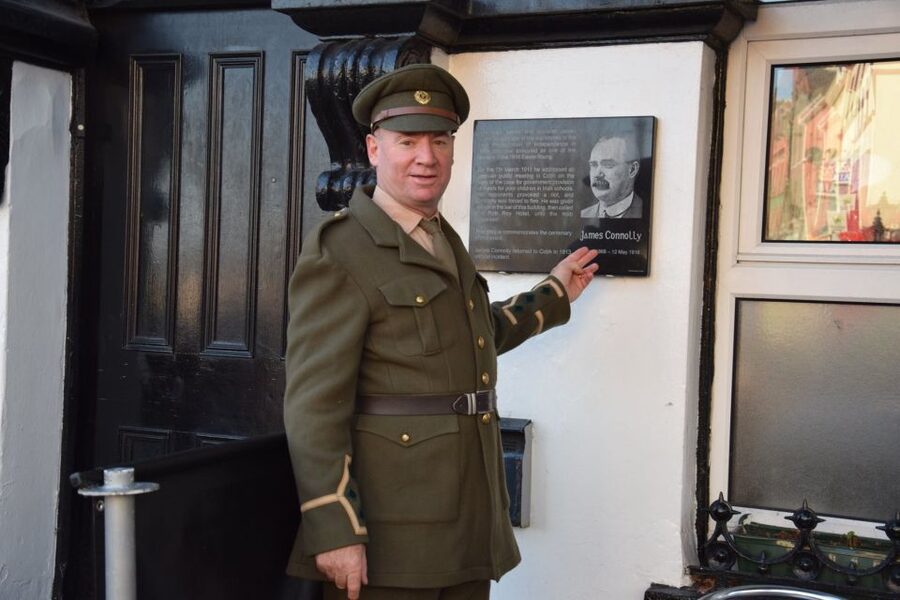
You will not simply hear a general account of Ireland’s past while strolling through town. The guide points out locations connected with ambushes, hiding places, military preparation, and imprisonment. That change of setting matters. A story told beside the place where people trained, sheltered, or were detained has more force than the same story delivered in a museum room.
The experience also reaches beyond one period. You hear about the potato famine, the political pressures that shaped Ireland, and the struggle for independence. The tour’s strongest feature is this link between national history and Cobh’s own streets.
For me, that makes the walk a good choice if you already know the broad outline of Irish history but want to understand how it affected one community. It also works if you are starting from scratch, since the guide provides the background as he goes.
More History Tours in Cork
- Dublin to Cork, Blarney Castle & Cóbh Heritage Centre by train
★ 4.5 · 510 reviews - Cork: Guided Historical Walking Tour
★ 4.7 · 310 reviews - Historic Cork Delicious Donut Adventure by Underground Donut Tour
★ 5.0 · 232 reviews
The first climb and the meeting point
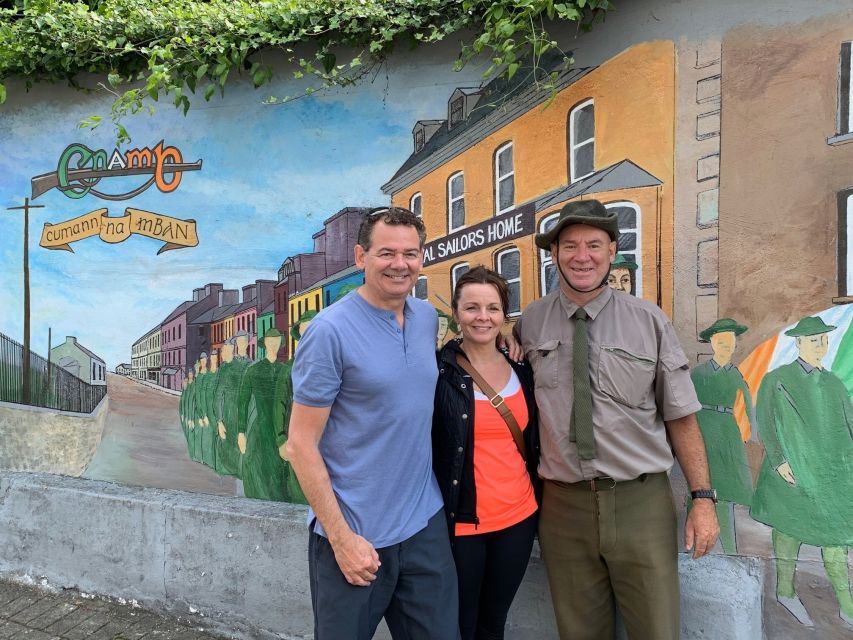
The tour begins at Cobh Heritage Centre, beside the quay and roughly two minutes from Cobh Railway Station. That is a useful meeting point if you are arriving by train, and the tour ends at the same location, so you do not need to work out a separate pickup point or find your way back across town.
There is a small hill at the start. It is not described as a long or severe climb, but it is worth taking seriously if walking uphill is difficult for you. The tour is specifically not suitable for people with mobility impairments.
Wear shoes with a firm sole. Cobh streets can be uneven or sloped, and the experience takes place outside for two hours. Ireland’s weather can change quickly, so an umbrella and raincoat belong in your day bag even if the sky looks clear at the meeting point.
Admission to the Heritage Centre is included. The main experience is outdoors, but that included entrance gives you an additional way to place Cobh within the wider story of Irish emigration and local history. The supplied information does not set out a separate visit schedule inside the center, so think of the included admission as a useful extra rather than a guaranteed long museum session.
Sixteen places tied to the independence struggle
The walk visits 16 historical sites. They are not all the same type, and that variety keeps the two hours moving.
Ambush sites help explain how local republican volunteers used familiar streets and surrounding spaces during the War of Independence. At these stops, you can picture the practical side of resistance: knowing the town, choosing a position, moving quickly, and relying on people nearby.
Safe houses show another side of the struggle. Military action is only part of the story. Volunteers needed places to hide, rest, pass messages, and avoid arrest. These locations help you think about the risks taken by families and local supporters, not only by the men carrying out attacks.
Training halls and barracks add a sense of organization. They point to preparation, discipline, and the effort needed to turn scattered local support into a functioning movement. A guide who knows the area can explain why these places mattered within the town rather than treating them as detached names on a timeline.
Detention centers bring the cost of the conflict into view. You visit places where Cobh republican volunteers were held and hear about their effect on Irish history. These stops should appeal particularly to anyone interested in military history, political conflict, or the human consequences of independence movements.
The information does not provide the individual names of all 16 sites, so you should not expect a printed catalog of every stop from this description alone. What you do get is a route built around the actual locations and the stories attached to them.
Kieran’s conversational way of telling the story
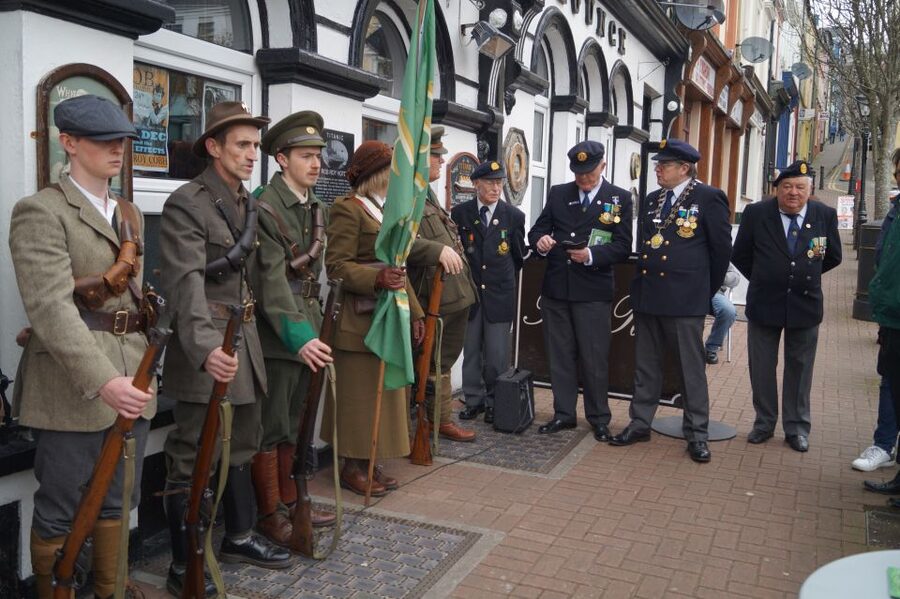
The guide is central to this experience. Kieran is described as warm, passionate, and articulate, with a strong personal connection to Cobh and its past. He has researched the subject extensively and has written two books, which helps explain why the tour can move beyond a basic town introduction.
His style is not meant to feel like a classroom lecture. The walk proceeds at a leisurely pace, and you can ask questions at the stops or chat about related subjects. That format suits Cobh well. The streets provide the setting, while the guide fills in the people, choices, and local details that a sign cannot provide.
A particularly useful feature is the balance between prepared material and conversation. You hear a planned account of the town and its role in Irish history, but there is also room to follow your interests. If you want more military detail, you can ask about the ambushes and volunteer activity. If your interest is social history, the stories of hiding places and detention offer another path.
The tour can also remain personal with a very small group. One account describes Kieran continuing with the walk even when only two people had booked. That suggests the experience is not built around a minimum crowd or a large scripted presentation. Group size can vary, of course, but the guide’s approach is suited to direct conversation.
More Walking Tours in Cork
- Titanic Trail Guided Walking Tour Cobh
★ 5.0 · 253 reviews - The Titanic Trail: 1-Hour Guided Walking Tour of Cobh
★ 4.8 · 78 reviews - Cork Instagram Photography Walking Tour
★ 5.0 · 54 reviews - Meet and Eat Dublin: Cork Food Walking Tour
★ 5.0 · 25 reviews
From famine to the War of Independence

The tour is not limited to a narrow military timeline. You hear about events ranging from the potato famine to the Irish War of Independence, with the local story used to connect the periods.
That wider frame is important. The famine is not simply an opening fact before the tour moves on to armed conflict. It helps you consider the social and political pressures that shaped Irish attitudes over time. The independence struggle then becomes part of a longer story rather than an isolated episode.
The Cobh focus gives this broad account a manageable scale. You are not expected to absorb every detail of Irish history in two hours. Instead, you follow a local thread and see how national events touched specific people and places.
If you have studied Irish history before, the walk may add the local detail missing from books and films. If you know little about the subject, the guide’s task is to make the sequence understandable without drowning you in dates. The relaxed format helps, but you should still expect a serious history tour rather than a sightseeing stroll with only a few historical comments.
What the pace is really like
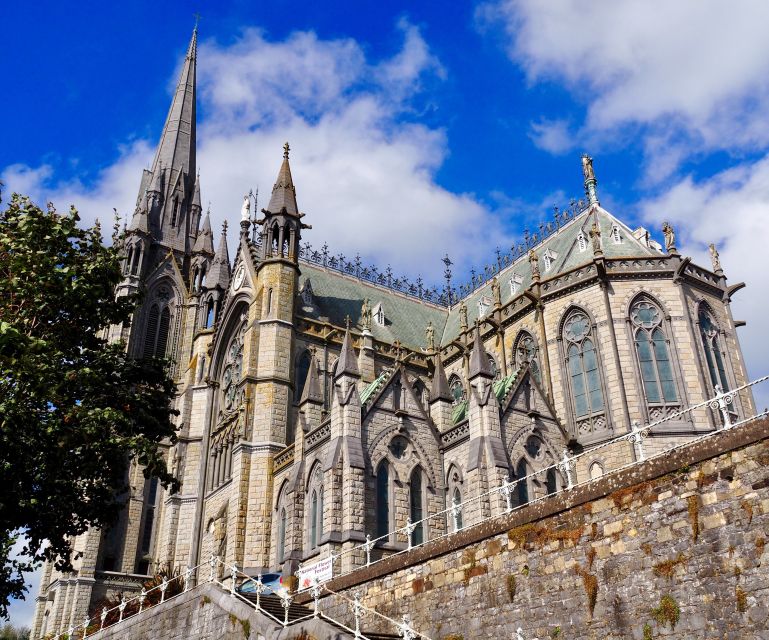
Two hours is long enough to cover a substantial part of Cobh’s story without turning the walk into an all-day commitment. The route is described as leisurely, with stops for discussion and questions.
That pace suits the subject. You need a moment at each site to understand what happened there, look at the surrounding buildings, and ask how the location fitted into the wider network of volunteers and supporters. A rapid route would give you more ground but less meaning.
The tradeoff is that the tour may feel slow if you want to see Cobh quickly before a train, ship, or other appointment. Build in a full two hours, plus a little extra time afterward. The activity returns to the starting point, but the exact finishing time can still vary slightly with questions and conversation.
The walk is conducted in English. Since the guide’s storytelling and explanations are the main attraction, a comfortable understanding of spoken English is important.
What you get for $40
At $40 per person, this is not the cheapest way to spend two hours in Cobh. You are paying for a specialist local guide, a structured route through 16 sites, and admission to the Heritage Centre.
The value depends on your interests. If you mainly want harbor views, colorful streets, or a quick orientation, you may find a general sightseeing walk better suited to your plans. If you want to understand Cobh’s part in Irish independence, the price is easier to justify because the experience is built around locations you could easily pass without knowing their significance.
The strongest value comes from the guide’s local research and ability to connect separate places into one story. You could walk past a former safe house or detention center on your own, but you would not necessarily know what happened there or why it mattered.
The included Heritage Centre entrance adds some value, though the heart of the experience remains the walking route and Kieran’s explanations. I would book it for the history content, not simply because entry to one attraction is included.
Who should book this Cobh walking tour?
This is a strong fit for:
- People with a serious interest in Irish history or the War of Independence
- Visitors who prefer local stories to broad sightseeing commentary
- Travelers who enjoy asking questions and talking with a guide
- Anyone wanting to connect national events with real streets and buildings
- Visitors arriving by train who want a tour with a clear central meeting point
- History teachers, students, and readers who want extra local context
It is less suitable if you dislike walking outdoors in uncertain weather, need step-free access, or have difficulty with a hill at the beginning. It may also be too focused for someone who wants a light, general introduction to Cobh.
Bring a camera if you like recording historic buildings and streets, but do not let photography distract you from the stories. The main reward is understanding what you are looking at.
Booking advice and practical details
The tour costs $40 per person and lasts two hours. Starting times vary, so check availability for the date you want.
You can cancel up to 24 hours in advance for a full refund, and the reserve-now, pay-later option allows you to hold a place without paying immediately. Those terms are useful if your wider Ireland plans are still changing.
Meet at Cobh Heritage Centre by the quay, about two minutes from Cobh Railway Station. The tour finishes there as well. Wear comfortable shoes, and take an umbrella and raincoat as a precaution.
There is no separate transport component listed, and the experience is conducted on foot. The route includes a small hill at the start and is not suitable for people with mobility impairments.
Should you book it?
Book this tour if you want Cobh explained through its people, hiding places, ambush sites, training spaces, and detention centers. Kieran’s personal, conversation-led style appears to be the right match for visitors who want more than dates and monuments.
Skip it if your time in Cobh is too tight for two hours, if outdoor walking is difficult, or if your main goal is a broad town overview rather than Irish political and military history.
For the right audience, $40 buys something you cannot get from a map alone: a local story attached to 16 real places, told at a pace that leaves room to think and ask questions.
FAQ
Where does the Cobh Historic Walking Tour begin?
It begins at Cobh Heritage Centre, beside the quay and about two minutes on foot from Cobh Railway Station.
Where does the tour finish?
The activity ends back at Cobh Heritage Centre, the same place where it begins.
How long does the walking tour last?
The tour lasts two hours. Starting times vary, so check availability when choosing your date.
How many historical sites will I visit?
You will visit 16 sites connected with Cobh’s history, including ambush locations, safe houses, training halls, barracks, and detention centers.
What periods of Irish history are covered?
The guide discusses subjects ranging from the potato famine to the Irish War of Independence, along with the local history of Cobh republican volunteers.
Who leads the tour?
The tour is led in English by a local guide named Kieran. He is described as having researched the area extensively and written two books.
Is admission to the Heritage Centre included?
Yes. Entrance to the Heritage Centre is included in the tour price.
What should I bring?
Bring comfortable shoes, an umbrella, a camera, and rain gear. A raincoat is a sensible precaution.
Is the tour suitable for people with mobility impairments?
No. The tour includes a small hill at the start and is not suitable for people with mobility impairments.
Just added around Cork
- Rock Of Cashel And Blarney Castle Private Chauffeur Full Day Sightseeing Tour★ 4.5 · 3 reviews
- Dublin Airport to Cork City,Private Chauffeur Service★ 5.0 · 10 reviews
- Cork City, Cahir Castle and Rock of Cashel Tour with Spanish Speaking Guide★ 4.5 · 46 reviews
- 3-Day Blarney Castle, Kilkenny & Irish Whiskey Tour Inc Admission★ 4.0 · 8 reviews
- 2-Day Cork and Blarney Castle Rail Tour from Dublin★ 5.0 · 4 reviews
- Toe Head Clifftop Hike in West Cork★ 5.0 · 48 reviews
- Fota House, Arboretum & Gardens Admission Ticket★ 5.0 · 67 reviews
- Wild Coast Bike and EBike Tour in Kinsale Cork Ireland★ 5.0 · 12 reviews
Historical Tours, compared.
Dublin Historical Centre Food Tour with 8 Food Tastings & Drinks
Our verdict on it →
Dublin to Cork, Blarney Castle & Cóbh Heritage Centre by train
Our verdict on it →
Jeanie Johnston Tall Ship Irish Famine History Tour
Our verdict on it →

Deliciously Dublin: The Artisan Donut Walking & History Tour
Our verdict on it →
Browse the lists this tour appears in