

Reviewed · SELF-GUIDED TOURS
Cork: City Gaol Tour with Audio Guide
Cork City Gaol has the look of a small castle, with Georgian and neo-Gothic architecture that feels almost too grand for a prison. Inside, the mood changes fast: cold corridors, furnished cells, lifelike figures, and sound effects bring the jail’s daily routine into sharp focus. I like the contrast between the stately exterior and the stark life within, and I like that the audio guide lets you set your own pace.
I also like the focus on ordinary prisoners, wardens, and governors, not just famous names. The main drawback is that this is a self-guided visit, so you will not have a live guide to answer questions or shape the tour. The subject is also grim in places, though the exhibits make the past easier to understand.
Key points to know before you go
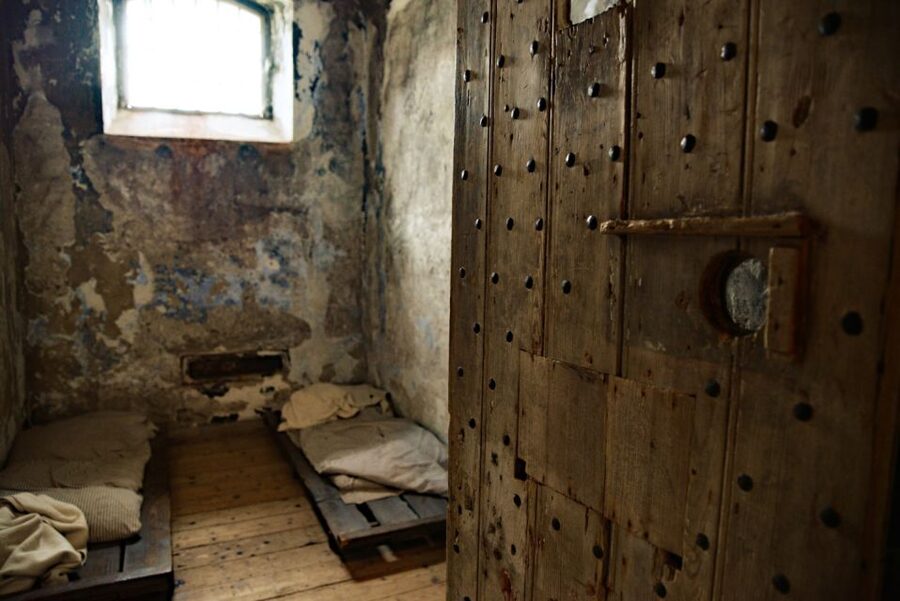
- The West Wing gives you the main prison experience, with cells, figures, sounds, and stories about daily life.
- Countess Constance Markievicz is among the famous inmates covered, adding a political thread to the visit.
- The audio guide is self-paced, so you can spend more time with the displays that interest you.
- The grounds and perimeter are included, not just the indoor cells and corridors.
- Plan on one to two hours, especially if you want to hear the audio presentation and walk the gardens.
- The $15 price is fair for a substantial historic visit, with entry, audio guide, and grounds access included.
A castle-like prison in the heart of Cork
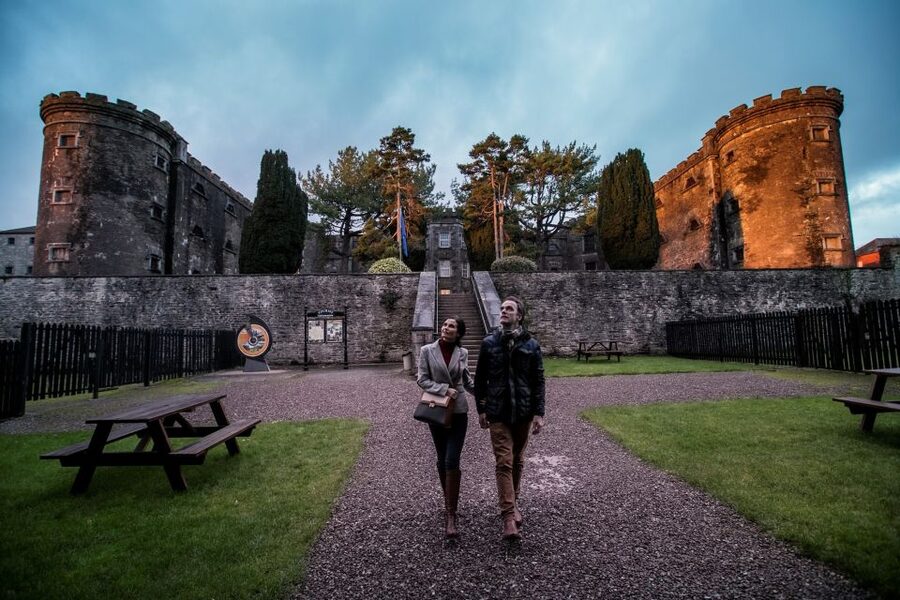
Cork City Gaol is an easy place to understand before you even enter. Its exterior has the solid, formal appearance of a civic building, with Georgian proportions and neo-Gothic touches that give it a castle-like air. That first impression matters because the inside tells a very different story.
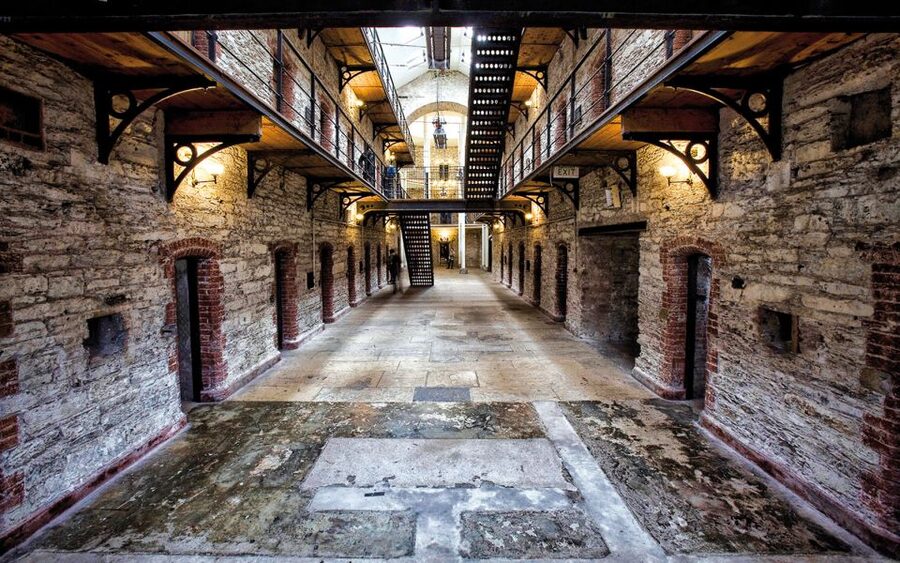
The building was designed to control people, not comfort them. Once you pass through the entrance, the grand appearance gives way to long corridors and cold cells. You can see how architecture itself became part of prison life: repeated doors, narrow passages, and a layout built around supervision.
I find this contrast more effective than a modern museum display would be. You are not simply reading about a 19th-century jail in a bright gallery. You are walking through the actual setting, and the building does much of the explaining.
Take a moment outside before you go in. The exterior is one of the most attractive parts of the visit, and you will appreciate the interior contrast more if you first take in the formal design from the grounds.
More Self-Guided Tours in Cork:
- St Patrick’s Cathedral: Self-Guided Cathedral Admission
★ 4.5 · 2,126 reviews - Christ Church Cathedral Entrance Ticket & Self-Guided Tour
★ 4.6 · 773 reviews - Self-Guided Bike Tour of Killarney National Park, Muckross Gardens & Waterfall
★ 5.0 · 223 reviews
Walking the West Wing and its furnished cells
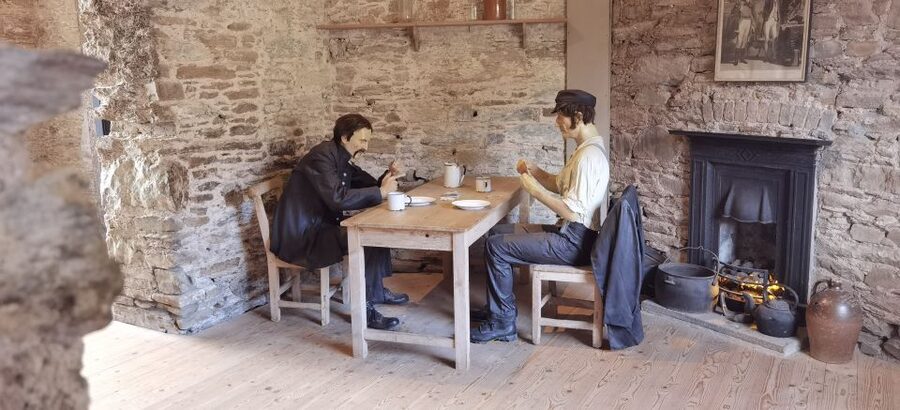
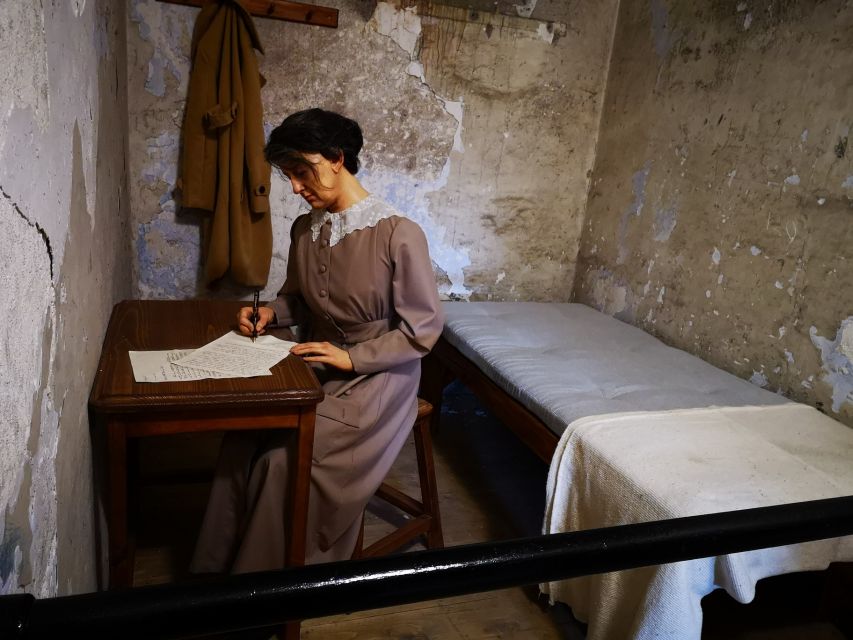
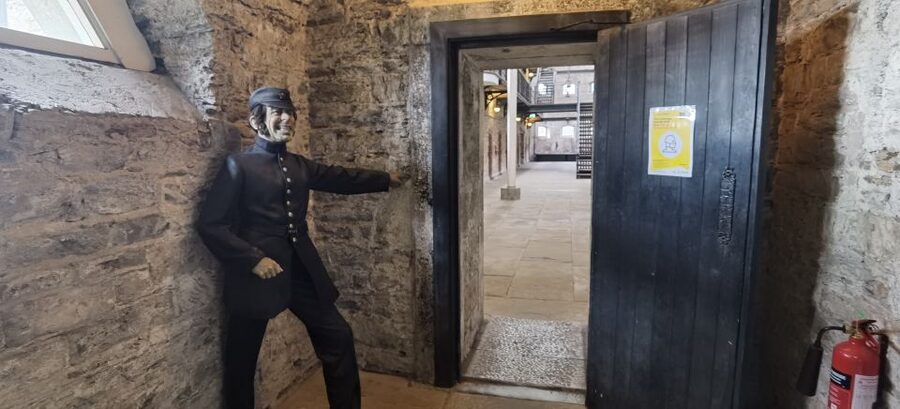
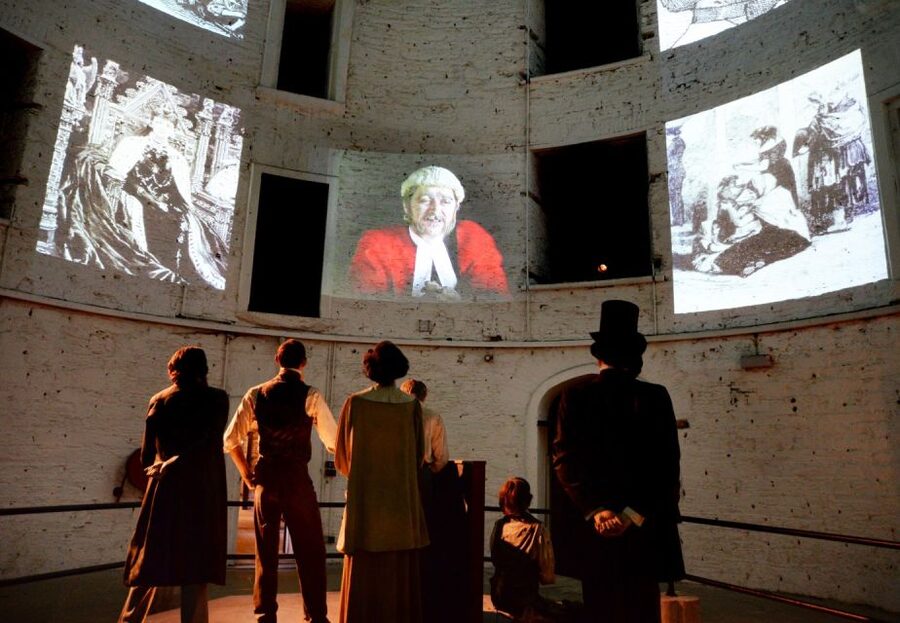
The West Wing is the heart of the visit. Here, the tour follows the corridors and cells where prisoners lived under the daily rules of the gaol. The displays use furnished rooms, lifelike figures, and sound effects to suggest how the jail functioned.
These details are not meant to be mistaken for a fully preserved daily scene. Instead, they help you picture the people who occupied the cells and the staff who ran the institution. A bare room can tell you about space, but a furnished cell gives you a better sense of routine, supervision, and confinement.
The audio guide adds the human detail. You hear about prisoners, wardens, and governors, with attention to both well-known figures and ordinary people. That balance is important. A prison can easily become a place defined only by famous inmates, but much of its meaning comes from the many less famous lives that passed through it.
Give yourself time to stop at the cells rather than rushing from one audio point to the next. The visit works best when you listen, look closely, and then pause to consider the difference between the official rules of a jail and the experience of living inside them.
Stories of inmates, wardens, and governors

The gaol’s story is not only about punishment. It is also about the people who operated the system and those caught within it. The audio presentation helps you follow these different viewpoints as you move through the building.
You will hear stories connected with famous inmates, including Countess Constance Markievicz, a revolutionary figure whose presence gives the site a link to Ireland’s political past. Her story adds variety to the visit, but it does not replace the wider focus on everyday prisoners.
The inclusion of wardens and governors is useful, too. It shows that a jail was a workplace as well as a place of confinement. Rules had to be enforced, routines maintained, and the institution managed from day to day. You get a clearer picture of the gaol as a working system rather than a collection of dramatic individual stories.
Some of the material has a dark tone. That is appropriate to the setting, but families with younger children may want to judge the subject matter for themselves. The exhibits are designed to explain the past, not to turn it into entertainment.
What the audio guide adds
This is a self-guided tour, so you control the rhythm. The audio guide is included with admission and is available in English, Irish, Czech, Dutch, French, German, Italian, Polish, and Spanish. The supplied information also identifies English as the host language, so you should check the language options when booking if you need a particular version.
I like this format for a building with many small details. You can listen to the main explanation, examine the cell, and move on when you are ready. If a particular story catches your attention, you can linger without holding up a group.
The tradeoff is that self-guided touring requires a little more attention from you. There is no live guide to connect one story to another or answer a question on the spot. If you prefer a tour with a fixed narrative and a person leading the way, this may feel less personal.
For most visitors, the audio format is a good match for the site. The corridors and cells are the main attraction, and the guide gives them context without forcing you to follow a tight schedule.
More audio guides you can start when you like:
- Medieval Mile Museum Self Guided Audio Tour
★ 5.0 · 91 reviews - Turtle Bunbury’s Dublin: A Self-Guided Audio Tour from a Celebrated Author
★ 5.0 · 3 reviews
Exploring the grounds and outer buildings
Do not leave after the last interior cell. The ticket includes access to the gaol grounds and perimeter, as well as the outer buildings. This gives you a chance to see how the prison site was arranged beyond the main corridors.
The grounds help you read the gaol as a complete institution. Inside, the emphasis is on confinement and routine. Outside, you can consider the boundaries, supporting buildings, and the relationship between the imposing structure and its surroundings.
The exterior walk is also a useful break from the darker indoor displays. You can take in the architecture again, look back at the sections you have just visited, and let the audio material settle before leaving.
Allow enough time for this part. A quick circuit will give you the basic outline, but the grounds add value to the entry ticket and help prevent the visit from feeling like a simple walk through a row of cells.
How long should you allow?
You can technically see the gaol in less time, but one to two hours is the sensible range. That gives you time to listen to the audio presentation, examine the furnished cells, follow the stories, and walk the grounds.
If you enjoy historic buildings and read or listen to every detail, stay toward the longer end of that range. If you mainly want the architectural view and a quick sense of the prison story, you may finish sooner.
The activity is listed as valid for one day, with starting times subject to availability. Since the visit is self-guided, the important question is not how long a group tour takes. It is how much time you want to give the building and its displays.
A practical tip: avoid treating this as a quick stop between other Cork sights. The audio guide contains much of the context, and rushing through the cells would reduce the value of the admission.
Is $15 good value?

At $15 per person, the ticket is reasonably priced for a historic attraction that combines architecture, indoor exhibits, an audio guide, and outdoor access. You are paying for more than a short look at an old building. The visit offers a sustained account of prison life, with enough material to fill an hour or two.
The value is strongest if you use the audio guide. Without it, you would still see the building and displays, but you would miss much of the explanation about the people and routines connected with the gaol.
It is also useful that there is no need to pay separately for the grounds or perimeter. Those areas extend the visit and make the ticket feel less narrow than an indoor-only admission.
The price does not include hotel pickup or drop-off, but this is not a transport-based tour. You arrange your own way to Cork City Gaol and enter for the self-guided visit. That keeps the price focused on the attraction itself.
Free cancellation is available up to 24 hours in advance, and you can reserve now and pay later. Those terms are useful if your Cork schedule may change, though you should still check the available start times before booking.
Who will enjoy Cork City Gaol most?
I would recommend this visit to anyone interested in Cork’s built heritage, Irish social history, prison systems, or political figures such as Countess Constance Markievicz. It also suits independent sightseers who prefer to pause, listen, and move at their own speed.
The audio guide makes the experience workable for several language groups, and the self-guided format means you do not need to match the pace of a large party. The site also offers enough architectural interest for people who enjoy buildings as much as historical stories.
Families can find plenty to discuss, but the jail’s subject is serious. The cold cells, confinement stories, and haunting sound effects may not suit every child. Use your judgment based on age and interest.
I would be less likely to choose this for someone who wants a lively, social tour led by a local guide. The atmosphere is quiet and reflective, and the information comes through the audio presentation rather than conversation.
Practical details for a smooth visit
The tour takes place rain or shine. The indoor sections provide the main experience, but the grounds and perimeter are part of the visit, so bring suitable clothing if wet weather is likely.
You begin at the entrance to Cork City Gaol, take the audio guide, and follow the self-guided route through the building. After exploring the West Wing and other interior areas, you continue to the outer buildings and perimeter before returning the guide and leaving.
There is no hotel pickup or drop-off. Check availability for the starting times, even though you are not joining a live group. Booking ahead may be sensible during busy periods, particularly if you want a particular time.
A useful plan is to visit when you are not pressed for another appointment. The price is modest, but the experience depends on having time to listen. One hour is possible, while two hours gives the site room to breathe.
Should you book Cork City Gaol?
Book it if you want a substantial historic stop in Cork rather than a quick photo opportunity. The neo-Gothic building, West Wing cells, audio stories, and outer grounds work together to give you a clear sense of how the gaol operated and who lived or worked there.
The $15 cost is fair, especially because the audio guide and perimeter access are included. Choose another attraction if you need a live guide, dislike dark historical subjects, or have only a few rushed minutes.
For most independent visitors, Cork City Gaol is a worthwhile use of one to two hours. Go slowly, listen to the stories, and remember to step outside before you finish.
FAQ
How much does the Cork City Gaol tour cost?
The tour costs $15 per person.
How long is the Cork City Gaol visit?
The ticket is valid for one day, and you should allow about one to two hours to enjoy the audio presentation, exhibits, and grounds.
Is the tour guided by a person?
No. This is a self-guided tour with an audio guide.
What languages are available for the audio guide?
The audio guide is available in English, Irish, Czech, Dutch, French, German, Italian, Polish, and Spanish.
What does the ticket include?
The ticket includes entry to Cork City Gaol, access to the grounds and perimeter, and the audio guide.
Does the tour include hotel pickup and drop-off?
No. Hotel pickup and drop-off are not included.
Can I cancel my booking?
Yes. You can cancel up to 24 hours in advance for a full refund. You can also reserve now and pay later.
Just added around Cork
- Rock Of Cashel And Blarney Castle Private Chauffeur Full Day Sightseeing Tour★ 4.5 · 3 reviews
- Dublin Airport to Cork City,Private Chauffeur Service★ 5.0 · 10 reviews
- Cork City, Cahir Castle and Rock of Cashel Tour with Spanish Speaking Guide★ 4.5 · 46 reviews
- 3-Day Blarney Castle, Kilkenny & Irish Whiskey Tour Inc Admission★ 4.0 · 8 reviews
- 2-Day Cork and Blarney Castle Rail Tour from Dublin★ 5.0 · 4 reviews
- Toe Head Clifftop Hike in West Cork★ 5.0 · 48 reviews
- Fota House, Arboretum & Gardens Admission Ticket★ 5.0 · 67 reviews
- Wild Coast Bike and EBike Tour in Kinsale Cork Ireland★ 5.0 · 12 reviews
Self-Guided Tours, compared.
St Patrick’s Cathedral: Self-Guided Cathedral Admission
Our verdict on it →
Christ Church Cathedral Entrance Ticket & Self-Guided Tour
Our verdict on it →
Self-Guided Bike Tour of Killarney National Park, Muckross Gardens & Waterfall
Our verdict on it →




Browse the lists this tour appears in