
Reviewed · MUSEUMS
General Entry Tickets to Foynes Flying Boat and Maritime Museum
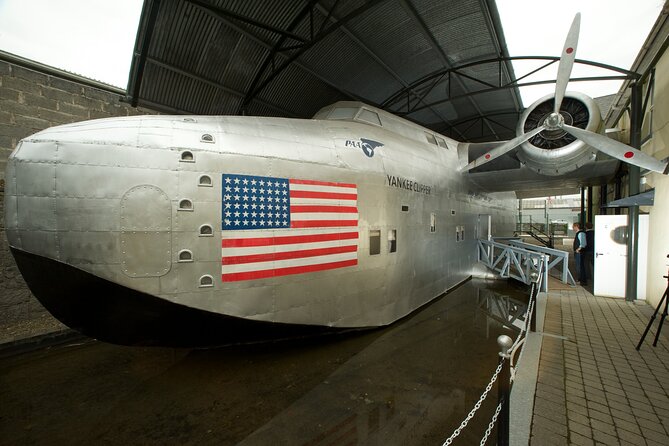
Foynes Flying Boat Museum tells the story of the days when the Atlantic was crossed by luxury flying boats, not modern jets. You can walk through the world’s first Air Force One, see how daring pilots tackled ocean routes, and get a feel for the passengers who treated long-distance flight like an ocean-liner voyage.
I like the mix of serious aviation history and hands-on fun, especially the flight simulators and the 3D hologram about Irish Coffee. I also like the control tower, where you can look over the Shannon Estuary. The main thing to consider is timing: the museum is open Tuesday through Sunday only, and the Irish Coffee served on site costs extra.
Key points to know before you go

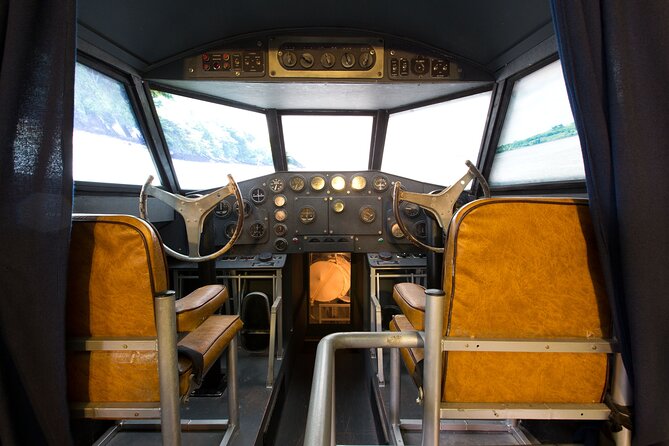
- Flying boats were the main event: Step aboard the world’s first Air Force One and see aviation from the age before ordinary jet travel.
- The Irish Coffee story is brought to life: A 3D hologram recreates the drink’s invention, followed by an Irish Coffee Masterclass in a 1940s setting.
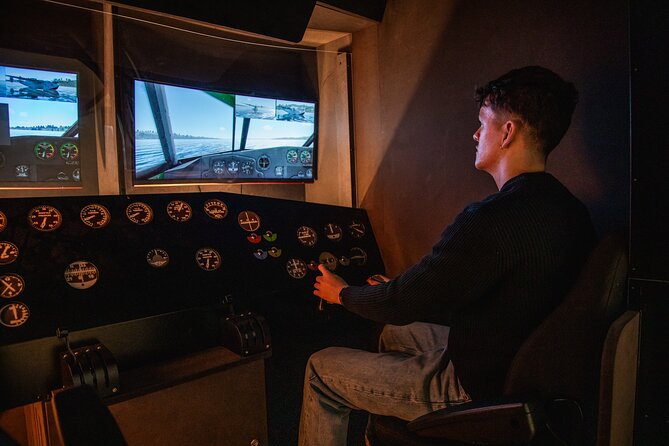
- You can take the controls: Flight simulators add a playful, practical element to the museum visit.
- The control tower has a clear payoff: Look across the Shannon Estuary from the place that once helped manage this important air route.
- Plan for about 90 minutes: That is enough time for a focused visit, though you may want longer if you enjoy aviation and maritime exhibits.
- The price is reasonable for a specialist museum: At $21.63 per person, admission covers several distinct displays and activities, while Irish Coffee is purchased separately.
Why Foynes mattered to Atlantic aviation
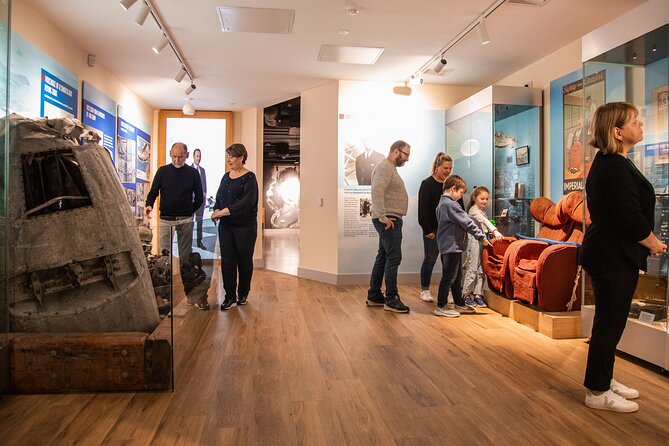
Before jet aircraft made ocean crossings routine, flying the Atlantic was a risky business. Foynes became an important stop for flying boats using the Shannon Estuary, giving passengers and crews a place to land, rest, refuel, and wait out difficult conditions.
That setting gives the museum its purpose. You are not looking at aircraft in an unrelated hangar. You are visiting the place where this chapter of aviation happened. The estuary provided the wide stretch of water needed by large aircraft, and the town became part of an international route linking Europe and North America.
The museum also places the flying boats in their social setting. These were not cramped economy cabins filled with rows of seats. Long-distance flight was presented as a form of ocean-liner luxury, with comfort and ceremony attached to the journey. That contrast makes the exhibits more interesting, especially if you are used to treating a transatlantic flight as a routine few hours in the air.
The story also reaches beyond aircraft. Foynes connected pilots, airline employees, passengers, local residents, and wartime activity. The result is a visit that covers transport, local life, food, and military history rather than focusing only on machines.
More Boat Tours in Ireland:
- Dublin: River Liffey Sightseeing Cruise
★ 4.4 · 3,473 reviews - Galway to Inisheer Aran Islands, Cliffs of Moher and Boat Trip
★ 5.0 · 2,517 reviews - From Galway: Aran Islands and Cliffs of Moher Tour & Cruise
★ 4.8 · 2,283 reviews
Inside the flying boat exhibit
The main attraction is the chance to come aboard one of these famous flying boats. The museum invites you to picture the aircraft as both a technical achievement and a travel experience. You can consider what it took to cross an ocean in a machine that landed on water, then compare that journey with air travel today.
The reference to the world’s first Air Force One adds a presidential connection to the visit. It gives the aircraft an extra layer of interest, even for people who are not aviation enthusiasts. You are seeing the kind of aircraft associated with an earlier period of international travel, when every Atlantic crossing required skill, planning, and a little nerve.
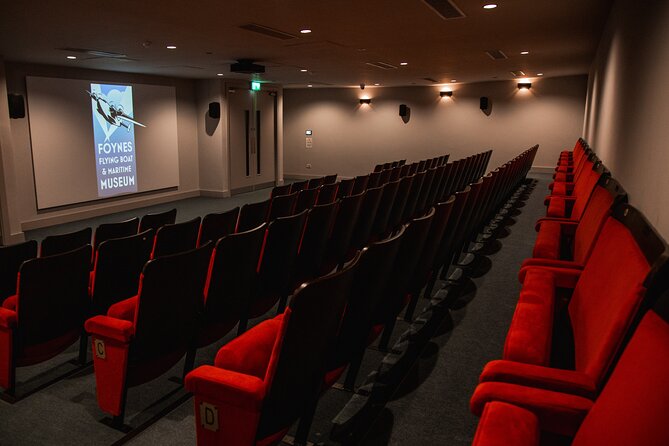
A film at the start helps set the scene. That is useful because the subject may be unfamiliar if you have not previously read about flying boats. Rather than meeting a collection of objects with no context, you get an introduction to the period and the people involved.
Pay attention to the human side of the display. The brave pilots are central, but the wider story includes airline staff and passengers. Their experiences help explain how Foynes functioned as a working transport hub and a stopover town.
Flight simulators add some useful fun
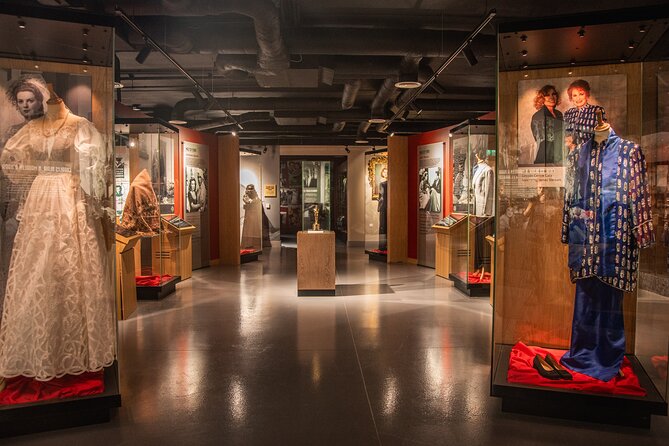
The flight simulators are a good change of pace. After looking at historic aircraft and listening to the story of Atlantic crossings, you can try your hand at piloting. The activity is simple, but it helps you think about the skill required to control an aircraft rather than treating the pilots as distant figures from the past.
This part should suit families and anyone who enjoys interactive exhibits. It also breaks up the more traditional museum material. You can spend a quiet few minutes studying aviation history, then switch to a practical test of your own flying skills.
The supplied information does not specify the number or exact type of simulators, so it is best to treat them as an added activity rather than plan your entire visit around them. Their value is in making the visit more varied.
The Irish Coffee story in a 1940s setting
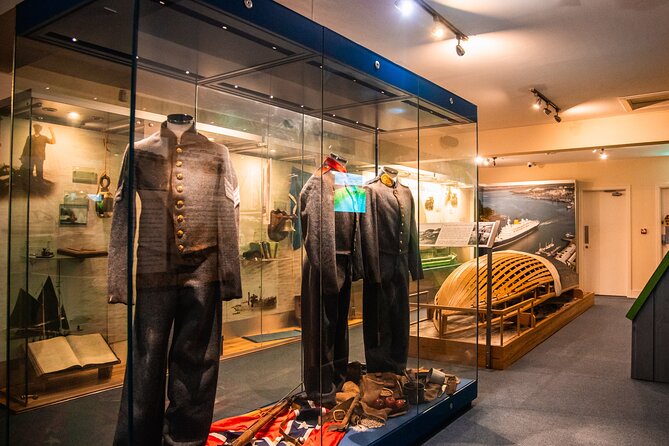
Foynes is closely associated with the birth of Irish Coffee, and the museum gives this story its own presentation. A 3D hologram recreates the night the drink was invented, then an Irish Coffee Masterclass follows in a 1940s-style setting.
This is more than a quick note beside a café counter. The presentation connects food and drink with the airport’s role as a stop for Atlantic passengers. A warm, strong drink made sense in a place where people could be waiting for a flight, arriving from cold weather, or coping with the discomfort of early ocean crossings.
The 1940s setting should appeal to anyone who likes social history. It gives you a sense of the era’s atmosphere without requiring a long lecture. The hologram also adds movement and drama to a story that could otherwise be reduced to a date and a recipe.
An Irish Coffee is available at O’Regan’s restaurant on site, but it is sold separately from your museum admission. Keep that extra cost in mind if tasting one is part of your plan. The museum visit includes the Irish Coffee presentation, not necessarily the drink itself.
More Museums in Ireland:
- Irish Rock ‘N’ Roll Museum Experience Dublin
★ 5.0 · 6,112 reviews - The Little Museum of Dublin Famous Guided Tour
★ 5.0 · 2,948 reviews - Dublin EPIC Museum Admission Ticket
★ 4.5 · 1,729 reviews - Giant’s Causeway with the Titanic Exhibition and the best of Northern Ireland
★ 5.0 · 1,122 reviews
Foynes during wartime
The wartime section looks at what life was like for passengers, airline staff, and people living in Foynes. This is an important part of the visit because transport history does not stop when an aircraft lands. War changes schedules, security, work, and the daily life of the surrounding town.
You can expect this section to broaden the story from aviation technology to ordinary people. Passengers had their own concerns, staff had to keep the operation running, and local residents lived alongside an international route affected by global events.
The material is also useful for understanding how a small Irish location could be tied to major events beyond Ireland. Foynes was not simply a local airfield. Its position on an Atlantic route gave the town an international role, and wartime conditions made that role more complicated.
If you prefer displays with plenty of machinery and visual spectacle, this section may feel quieter. Its value is in the setting and human detail. Give it time instead of rushing straight to the aircraft.
The control tower and Shannon Estuary views

The control tower is one of the museum’s most practical stops. From here, you can look over the Shannon Estuary and understand why the location worked for flying boats.
The view is not just a photo opportunity. It helps you read the site. Water was the runway, and the estuary was central to the aircraft’s operation. Seeing the broad waterway from above gives the museum’s aviation story a physical anchor.
I would save the control tower for a point when you have already seen some of the flying boat exhibits. The view makes more sense after you understand what the aircraft needed from Foynes. It turns an abstract explanation into something you can grasp at once.
Weather will affect how much you see, of course, and the information provided does not promise a particular viewing condition. Still, the tower is worth including because it ties the museum to its surroundings.
The maritime museum broadens the visit
The Maritime Museum adds Ireland’s seafaring story to the aviation exhibits. It also introduces famous people from Foynes who helped shape Irish history.
This section makes the visit feel larger than an aircraft museum. Flying boats depended on water, ports, navigation, and maritime knowledge, so the connection is natural. You can move from the aircraft’s story to the wider role of the Shannon Estuary and the people linked to the area.
The maritime displays should be especially useful if you are visiting with different interests in the same group. One person may come for aviation, another for Irish history, and another for local connections. The museum gives each of you a reason to pay attention.
The available details do not list every object or person on display, so I would not promise a particular exhibit. What you can count on is a maritime section built around Ireland’s seafaring heritage and notable figures from Foynes.
How long the visit takes
The advertised visit lasts about one hour and 30 minutes. That is a sensible estimate for a focused visit through the main displays, aircraft material, simulator area, hologram, control tower, and maritime exhibits.
You may finish sooner if you move quickly or spend little time with the historical sections. You may also want longer if you read every display, try the simulators more than once, or stop for an Irish Coffee at O’Regan’s.
Because the museum is open from 10:00 a.m. to 4:30 p.m., Tuesday through Sunday, you have a useful block of time for planning. It is closed on Mondays under the listed schedule, so check the day before setting out. The dates provided cover March 15 through December 19 for both 2025 and 2026.
The museum’s location is in Limerick, and it is near public transportation. A mobile ticket makes entry straightforward, while confirmation is received at booking.
Is the $21.63 admission good value?
At $21.63 per person, this is not a bargain-basement attraction, but the price is fair for a specialist museum with several different parts. You are paying for more than a single aircraft display. The admission brings together aviation, wartime life, maritime history, a 3D presentation, flight simulators, and access to the control tower.
The value is strongest if you enjoy context. The museum explains why Foynes mattered, what flying across the Atlantic involved, and how local life connected to international events. If you only want a quick look at an aircraft, the price may feel less attractive.
The Irish Coffee experience needs a small budget note. The hologram and masterclass are part of the museum’s presentation, while the drink at O’Regan’s is sold separately. You can visit without buying one, but the drink adds a fitting finish if you want to complete the story.
Free cancellation is available if you cancel at least 24 hours before the experience start time. Changes or cancellations inside that 24-hour window are not accepted for a refund. Service animals are allowed, and most people can participate.
Who will enjoy this museum most?
I would recommend this visit to anyone interested in aviation, maritime history, Irish social history, or unusual transport stories. It also works well for families because the simulators give younger visitors something active to do.
The museum is a good choice if you want a stop with a clear local connection. You are not being shown a generic collection of aircraft. You are learning why Foynes became important and how the estuary shaped its role.
It may be less suitable if you want a large attraction that fills an entire day. The visit is designed for roughly 90 minutes, and the available information does not suggest a long list of separate rides or major outdoor activities.
You should also plan around the opening days. A Monday arrival will not work with the listed schedule. If you are already visiting the Limerick area on an open day, the museum offers a focused stop with enough variety to suit a mixed group.
Should you book Foynes Flying Boat Museum?
Book it if you like places where the setting explains the subject. The aircraft, control tower, and Shannon Estuary work together, while the simulators and Irish Coffee presentation keep the visit from feeling like a static display.
I especially like the balance between large historical themes and small human details. You get pioneering pilots and wartime aviation, but also passengers, airline staff, local residents, and the story of a drink created for people passing through.
Skip it only if your schedule is tight, your visit falls on a Monday, or aviation and maritime subjects hold no interest for you. For everyone else, $21.63 buys a well-shaped 90-minute visit with a clear sense of place and several things to see and do.
FAQ
Where is Foynes Flying Boat Museum located?
The museum is in Foynes, in County Limerick, Ireland.
How long does the museum visit take?
The visit takes approximately one hour and 30 minutes.
What are the opening hours?
From March 15 to December 19 in both 2025 and 2026, the museum is open Tuesday through Sunday from 10:00 a.m. to 4:30 p.m.
Is Irish Coffee included with admission?
Irish Coffee is available at O’Regan’s restaurant on site, but it is sold separately. The museum also presents the story of Irish Coffee through a 3D hologram and an Irish Coffee Masterclass.
What can I see at the museum?
You can see famous flying boats, the world’s first Air Force One, flight simulators, wartime displays, the Irish Coffee presentation, the control tower, and maritime exhibits.
Is the museum suitable for most people?
Yes. Most people can participate, and service animals are allowed. The museum is also near public transportation.
Can I cancel for a refund?
You can cancel for a full refund up to 24 hours before the experience start time. Cancellations or changes made less than 24 hours before the start time are not accepted for a refund.
Just added around Ireland
- Trek the Tombs and Trails in the Dublin Mountains★ 5.0 · 14 reviews
- Cliffs of Moher and The Burren Private Tour from Dublin★ 5.0 · 3 reviews
- Turtle Bunbury’s Dublin: A Self-Guided Audio Tour from a Celebrated Author★ 5.0 · 3 reviews
- Private tour to the Cliffs of Moher guided in Spanish★ 5.0 · 12 reviews
- Private Tour of Dublin Museums (Walking Tour)★ 5.0 · 13 reviews
- Taste traditional Irish food in the heart of Dublin★ 5.0 · 24 reviews
- Dublin 6 Whiskey Tasting & 3 Food Pairing Walking Tour with Local★ 5.0 · 42 reviews
- Small Group Bucket List Sights Walking Tour with a Local Guide★ 5.0 · 54 reviews
Museums, compared.
Irish Rock ‘N’ Roll Museum Experience Dublin
Our verdict on it →
The Little Museum of Dublin Famous Guided Tour
Our verdict on it →

Giant’s Causeway with the Titanic Exhibition and the best of Northern Ireland
Our verdict on it →
Irish Whiskey Museum Tour and Whiskey Tasting
Our verdict on it →

Irish Whiskey Museum: Whiskey Blending Experience
Our verdict on it →
Irish Whiskey Museum Blending Tour with Tastings
Our verdict on it →Browse the lists this tour appears in