
Reviewed · HALF-DAY
Half Day Private Tour to Dingle Peninsula and Slea Head
Slea Head is one of Ireland’s great short drives, with cliffs, beaches, islands, stone huts, and a road that keeps turning toward another postcard view. This private tour lets you enjoy it without wrestling with narrow roads or deciding which historic site deserves a stop. Local guide Billy Kavanagh, raised in Ventry, adds personal stories to the usual facts.
I like the flexible pace and the chance to see small sites you could easily miss, such as the Ogham stone and Reask Monastic Site. I also like having a private vehicle for a group of up to eight, especially on tight coastal roads. The catch is value: at $384.47 per group, it makes the most sense with several people sharing the cost, and the advertised two to four hours may run closer to four.
Key points at a glance
- Local guide with personal ties: Billy Kavanagh grew up on the Slea Head route and shares stories about the area and its film locations.
- Private touring: Your group controls the pace, stops, and amount of time spent taking photos.
- Strong mix of scenery and history: Expect Atlantic views, Skellig Michael, beehive huts, famine cottages, Ogham stones, churches, and forts.
- Good for short stays: You can cover the main Slea Head sights without giving up a full day.
- Extra costs apply: Entry fees for selected sites are not included, and the fee details should be confirmed before booking.
- Plan extra time: Set aside at least three and a half hours, rather than scheduling something immediately after the start.
Why a private Slea Head drive works so well
The Dingle Peninsula is easy to admire and surprisingly hard to cover well on your own in a short visit. The roads are narrow and winding, the best viewpoints are scattered, and many historic places are marked by little more than a sign or stone wall. A private driver removes much of that strain.
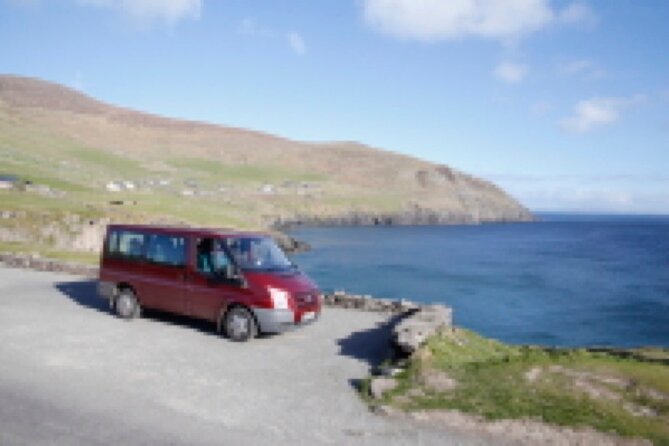
You begin in Dingle, with pickup listed at The Tracks bus stop under the currach boat. The tour ends back at your accommodation or meeting point. The air-conditioned vehicle can carry up to eight people, although one group of six found the van especially comfortable and noted that the vehicle was nicer than the published photo suggested.
The main advantage is control. Billy does not force every group to get out at every stop. You can linger at a beach, move quickly through a site that interests you less, or ask for an additional viewpoint. That matters on a day when the scenery itself often deserves more time than the schedule suggests.
The tour is sold as lasting roughly two to four hours. In practice, the route has enough stops that you should allow about three and a half hours or more. One group expected to finish in two hours and had to rethink evening plans. Build in a cushion, especially if you want to walk around at the beaches or visit the paid sites.
A few more Dingle days to weigh up
- Dingle Peninsula by eBike: Must-Do Half-Day Activity!
★ 4.5 · 105 reviews - From Dublin: Half-Day Trip to Glendalough and Wicklow
★ 4.2 · 1,791 reviews - From Dublin: Half-Day Guided Coastal Tour to Howth Village
★ 4.4 · 1,331 reviews
Eask Viewpoint and the first Atlantic views
The route begins around Eask Tower, also called Eask Viewpoint. The tower sits on a hill above Dingle Bay, giving you an early look at the peninsula’s shape and the water surrounding it.
This is a useful start because it gives you a sense of place before the road heads farther west. You see how quickly Dingle town gives way to open hills, sea views, and scattered settlements. The stop is brief, so it works more as an orientation point than a long visit.
Ogham stones at Burnham West
Near Coláiste Íde at Burnham West, you can see a replica of an ancient Ogham stone. Ogham is an early Irish writing system made from lines and notches cut along the edge of a stone. Without an explanation, it can look like an ordinary weathered marker.
Billy’s local knowledge is useful here. Several people specifically appreciated learning about Ogham stones because they would have passed them without realizing what they were. This is one of the tour’s strengths: it connects small, easily missed objects with the larger story of early Ireland.
The stop lasts about ten minutes and has no admission charge. It is not a grand monument, but it rewards curiosity.
Ventry, Páidí Ó Sé, and a local sense of place
The road continues toward Ventry Beach, a sandy bay with open views across the Atlantic. It is the kind of stop where you may want to get out, breathe in the sea air, and take photographs rather than study a formal attraction.
Nearby, in Emlaghslat, you pass Páidí Ó Sé’s Pub and statue. Ó Sé was a celebrated Gaelic football player and manager from County Kerry. The pub and statue connect the drive to modern local identity, not just ancient ruins and scenic overlooks.
Billy was raised in Ventry, so this section has particular meaning. His knowledge is not limited to dates and names. He can point out places connected to local life and explain how the peninsula has changed over time. His style is generally relaxed and reserved rather than theatrical, which will suit you if you prefer a calm guide. If you want a nonstop performance, the conversation may feel quieter.
Same part of the country, a completely different day out:
- Exhilarating Rib experience – Dingle sea safari
★ 5.0 · 1,349 reviews - Dingle Dolphin Blasket Adventures
★ 4.5 · 1,126 reviews - The Great Blasket Island Experience – Premium Tour
★ 5.0 · 597 reviews - Full-Day Tour of the Dingle Peninsula, Slea Head, and Inch Beach
★ 5.0 · 494 reviews
Manning’s Fort and the Irish Famine Cottages
At Fairyfort, Manning’s Fort combines an ancient earthen ring fort with an animal farm. Admission is listed at €3, though the tour information also lists separate charges for several paid stops. Confirm the current fee before you go, since the published details are not fully consistent.
Ring forts are a familiar feature of Ireland, but seeing one on the peninsula helps you understand how people used raised, enclosed sites for defense and residence. The animal farm adds a lighter element, especially for families, though it may not be a priority if your main interest is archaeology.
The Irish Famine Cottages offer a more sobering stop. The reconstructed cottages show the cramped buildings and simple furnishings associated with life during the Famine era. You can see the construction materials and basic household objects used to present that period.
Admission is listed at €3. The visit is short, around ten minutes, but the subject deserves attention. This is not just another photogenic ruin. It gives the scenery a human scale and reminds you that people lived hard lives on this seemingly beautiful coast.
Fahan Beehive Huts and ancient stone building
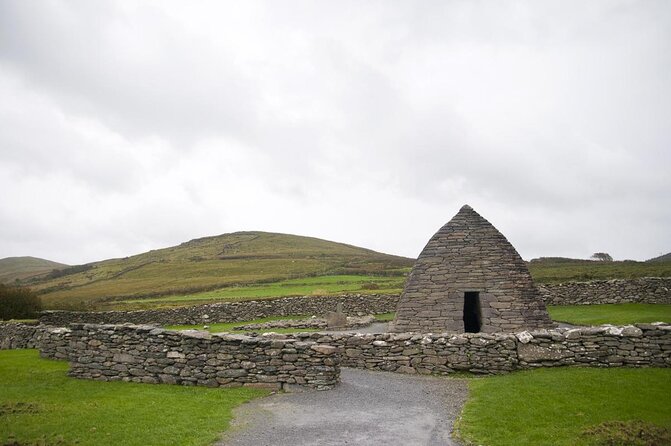
The Fahan Beehive Huts, also called Caher Conor, are among the most memorable historic stops on the route. These dry-stone structures were built without mortar, with stones carefully placed into a corbelled, beehive-shaped roof. They are linked with early Christian settlement on the peninsula.
You will likely spend about ten minutes here. The entry fee is listed as €3 in the itinerary, but another part of the tour information lists €10 per person for Fahan Beehive Huts. Because those figures conflict, ask for the current charge when booking or before departure.
This stop is especially valuable with a guide. The structures are compact and plain, and their importance is easy to miss if you only take a quick photograph. Billy can help explain how the huts fit into the area’s early religious life.
Slea Head, Coumeenole, and views toward the Blaskets
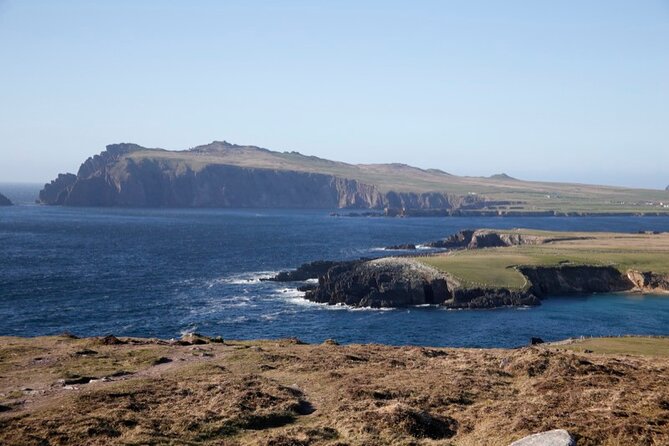
At the Cross at Slea Head, you get one of the route’s classic photo stops. The view reaches toward the Blasket Islands and the Iveragh Peninsula, with open water and steep coastal ground filling the frame.
Coumeenole Beach follows with a more intimate view of the coast. The sandy beach sits below rugged slopes and is often the sort of place where you will want a few extra minutes. The route description allows about ten minutes, but the private format gives you a better chance of asking for more time if conditions and the schedule allow.
This is where the private tour earns much of its keep. You are not trying to gather a large group beside a viewpoint or rushing back to a departure time. Billy can stop safely, and you can decide how long the view deserves.
Dunquin Pier and the Blasket Centre
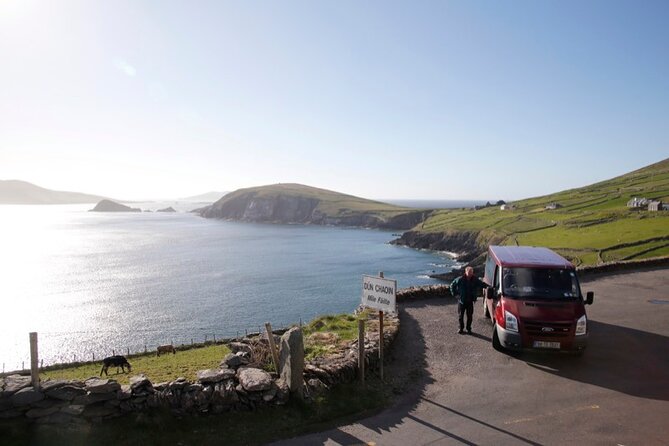
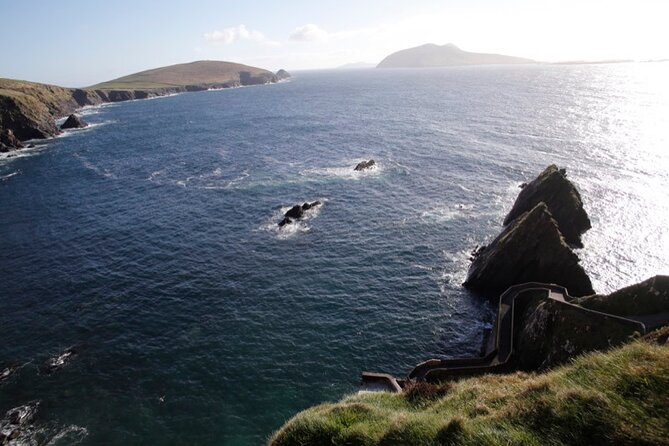
Dunquin Pier is one of the most recognizable sights on the peninsula. The narrow road drops toward the water, with the Blasket Islands beyond. The pier serves as the departure point for ferries to Great Blasket Island, although this tour does not include a ferry trip.
The setting is dramatic, but take care near the edges and allow time for the road itself. You have about ten minutes listed here, enough for photographs and a look at the stone pier.
Nearby, the Blasket Centre explains the culture and history of the Blasket Islands. Its €5 admission is not included. This is a good choice if you want more than scenery, since the center provides context for the island communities and their way of life.
If your time is tight, ask Billy how to divide your stop. The pier is a quick outdoor view, while the center needs more attention. You may not want to attempt both at length on a short afternoon.
Sleeping Giant Island and movie locations
Along Slea Head Drive, keep watch for Inishtooskert, known as Sleeping Giant Island. Its profile resembles a reclining figure when seen from the right angle. It is a small, uninhabited island in the Blasket group, and the view is a good reminder that the coast continues far beyond the road.
At Waymont, Billy talks about films made on the peninsula, including Star Wars, Far and Away, and Ryan’s Daughter. The area’s unusual light, cliffs, sea, and stone buildings have drawn filmmakers for decades. Fans of Return of the Jedi also get a view toward Skellig Michael, although the island itself is not visited on this tour.
The Star Wars connection is fun, but it should not overshadow the real reason to come: the coast and the old settlements are compelling without a film connection.
Ballyferriter and the early Christian sites
The route turns toward Ballyferriter, a small village about ten kilometers west of Dingle. From here, you reach a cluster of early Christian and medieval sites.
Reask Monastic Site includes an oratory, beehive huts, and an enclosing wall. It dates from roughly the sixth to eighth centuries and offers a quiet look at monastic life. There is no admission charge, and the planned stop lasts about ten minutes.
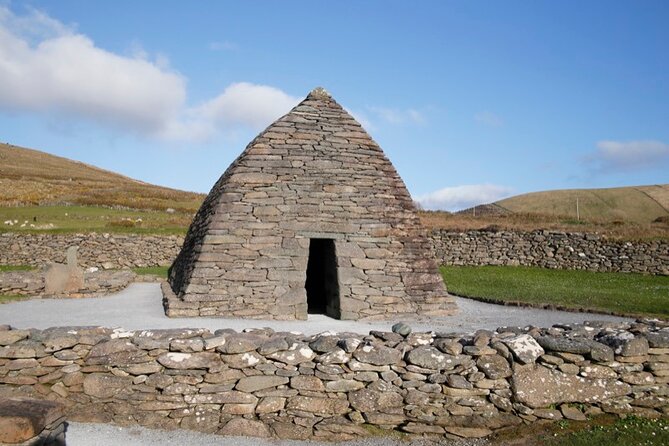
Gallarus Oratory is perhaps the best-known structure in this group. Its boat-shaped stone form and sloping corbelled roof make it one of Ireland’s finest surviving examples of early Christian architecture. The building is small, so the value lies in seeing how skillfully it was made from local stone rather than in expecting a large church interior.
Kilmalkedar Church adds another layer, with ancient church ruins and associated stone remains. St. Brendan’s Oratory is linked with Brendan the Navigator, a sixth-century figure associated with legendary Atlantic voyages. These places are close enough to fit into a driving circuit, but the short stop at each means you should not expect a full archaeological visit.
For me, this is the section where a local guide matters most. The sites can blur together if you visit them without context. Billy can help explain what you are looking at and why a small stone chapel or hut matters.
Brandon Creek, Ballynavenooragh, and Conor Pass
Brandon Creek is associated with the story of St. Brendan’s legendary voyage across the Atlantic. In 1977, Tim Severin recreated the voyage using a traditional-style curragh. The stop combines folklore, maritime history, and a broad view of the sea.
Ballynavenooragh Fort is an early medieval fort, probably dating to around the seventh century. It was likely used as a defensive site and residence for local leaders. Again, the attraction is modest in size, so the guide’s explanation helps turn a stone enclosure into a place with a human story.
The final major stop is Conor Pass, one of Ireland’s highest mountain passes at about 456 meters. The road connects Dingle with the northern side of the peninsula and offers a change from sea cliffs to high mountain views.
One person wished there had been more time to reach the highest point in Dingle. That is a useful planning note. Tell Billy early if Conor Pass is a priority, and do not assume every version of the half-day route will allow a long stop there.
Price, group size, and the real value
The listed price is $384.47 for the whole group, up to eight people. For one or two people, that is a substantial cost. For six or eight, the per-person price becomes much easier to justify, especially when you consider the private vehicle, local driver, and the amount of ground covered.
You are paying for more than transport. You get someone else handling the narrow roads, a flexible schedule, local stories, and the ability to stop at lesser-known sites. The price is less attractive if you only want a quick scenic loop or are comfortable driving yourself.
Lunch, coffee, and tea are not included. Admission fees are also extra, including charges associated with Manning’s Fort, the famine cottages, the beehive huts, and the Blasket Centre. Because the listed amounts vary, check the current total before setting your budget.
The tour is offered in English. Most people can participate, and one booking specifically described the guide as helpful in adjusting the outing around a disability. Still, many stops involve uneven ground, stone surfaces, or short walks, so discuss your needs in advance.
Who should book this private Dingle tour?
I would choose this tour for a group that wants to see a lot in a limited amount of time and values personal attention. It is especially useful for families, older adults who would rather not drive, and anyone visiting Dingle on a tight schedule.
It also suits history-minded visitors who want more than the famous beaches. The Ogham stone, Reask, Kilmalkedar, Gallarus Oratory, and Fahan huts give the route real depth.
I would hesitate if you are traveling alone on a tight budget, want long walks at every stop, or prefer a lively guide who fills every silence. Billy’s approach is gentle and flexible. He asks what you want to see rather than pushing you from one attraction to the next, which some people love and others may find less energetic.
Should you book it?
Book this tour if you want a relaxed private drive with a local connection, especially if you can split the $384.47 cost among several people. The combination of Slea Head’s scenery, early Christian sites, famine history, and Billy’s personal knowledge gives you far more than a simple viewpoint circuit.
Before booking, confirm the start time, expected duration, current entry fees, and whether Conor Pass will be included in the version you want. Leave at least three and a half hours free afterward. If you do that, this is a strong way to see the Dingle Peninsula without rushing yourself or fighting the road.
FAQ
Where does the tour start and finish?
The tour starts in Dingle, County Kerry, with pickup listed at The Tracks bus stop under the currach boat. It ends back at the meeting point or your accommodation.
How long does the tour last?
The stated duration is approximately two to four hours. Since travel time is added to the tour, you should allow at least three and a half hours and avoid making tight plans afterward.
How many people can join the private tour?
The private vehicle can accommodate a group of up to eight people. One group of six found the van comfortable.
Is pickup available?
Yes. Pickup is offered in Dingle, with the listed pickup point at The Tracks bus stop under the currach boat.
Is the tour offered in English?
Yes. The tour is offered in English, and the guide is Billy Kavanagh.
Are admission fees included?
No. Entry fees for selected attractions are not included. The listed paid stops include Manning’s Fort, the Irish Famine Cottages, Fahan Beehive Huts, and the Blasket Centre. The published prices vary, so confirm the current charges before going.
Does the tour include food or drinks?
No. Lunch, coffee, and tea are not included.
Can the tour be canceled for a refund?
Yes. You can cancel at least 24 hours before the local start time for a full refund. Cancellations or changes made less than 24 hours before the start are not accepted for a refund.
Just added around Dingle
- 3-Day Dingle, Killarney and the Wild Atlantic Way Small-Group Tour from Dublin★ 4.5 · 10 reviews
- Wildlife Tour★ 5.0 · 31 reviews
- Sea Fishing 2 hour★ 5.0 · 16 reviews
- Slea Head Photo & Sightseeing Tour★ 5.0 · 48 reviews
- Dingle Boat Tours RIB Adventure Private★ 5.0 · 8 reviews
- Private 1-Hour Guided Boat Tour in Dingle Peninsula★ 5.0 · 39 reviews
- Private family sea safari★ 5.0 · 80 reviews
- Dolphin & Whale Watching (4hrs) + Blasket Island Landing (3hrs)★ 5.0 · 20 reviews
Half-Day, compared.
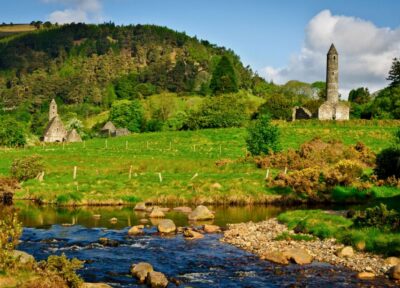
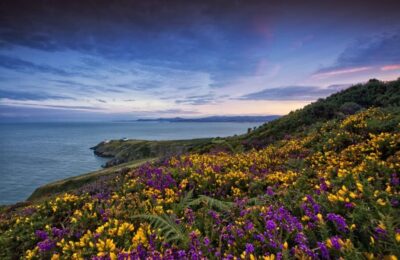
Half-Day Guided Coastal Tour to Howth Village
Our verdict on it →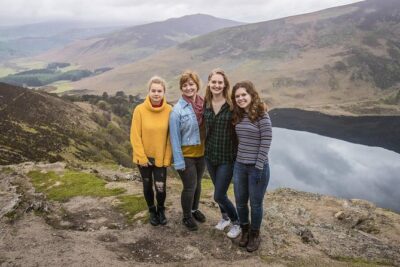
Glendalough & Wicklow Mountains Half Day Morning Tour from Dublin
Our verdict on it →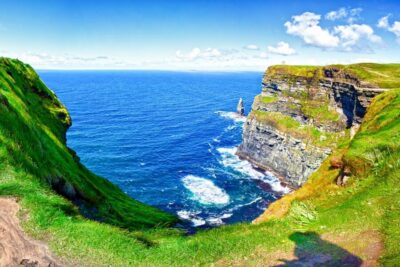
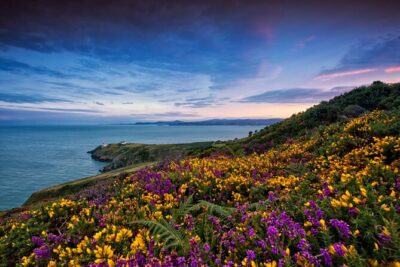
Howth Coastal Half-Day Bus Tour from Dublin with Live Guide
Our verdict on it →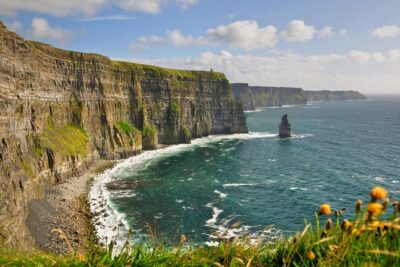
Independent Cliffs of Moher Half Day Trip from Galway
Our verdict on it →
Dingle Peninsula by eBike: Must-Do Half-Day Activity!
Our verdict on it →
6 hour Half-Day Award Winning Private Tour of the Boyne Valley
Our verdict on it →Browse the lists this tour appears in