
Reviewed · COOKING CLASSES
Traditional Irish Homemade Baking Scones and Bread
At Kate Wright’s home in Kilcolgan, near Galway, you do not watch a baking show from the sidelines. You handle the ingredients, knead the dough, shape the scones, and learn the small tricks that make Irish baking work. The prize comes at the end: warm scones and brown bread served with tea, coffee, Irish butter, and jam.
I like the hands-on format, which suits beginners and confident home bakers alike. I also like the personal setting, where Kate shares lessons from her years in the food industry and may introduce you to her partner John and their friendly dog, Coco. The main drawback is location: this is outside Galway city, and getting there can take planning if you do not have a car.
Key points at a glance
- Bake two Irish staples: Make seasonal fruit scones, such as berry, raisin, lavender, orange, or blueberry, along with spelt or brown bread.
- Work in Kate’s home kitchen: This is a private activity for your group, with ingredients and utensils supplied.
- Eat what you make: Finish with tea or coffee, Irish butter, jams, and marmalade in the sunroom or garden when weather allows.
- Take the lesson home: Printed recipes help you repeat the scones and bread after your Ireland trip.
- Allow time for transport: The meeting point is in Kilcolgan, not central Galway. A car is simplest, but bus and pickup options may be available.
- Expect a friendly, social class: Kate keeps the mood relaxed, adds practical tips, and encourages plenty of conversation.
Baking Irish comfort food with Kate in Kilcolgan
This two-hour class is built around two simple foods that say a great deal about Irish home cooking: scones and brown bread. The recipes are not complicated, but good results depend on handling the dough correctly, using suitable ingredients, and knowing when to stop mixing. That is where Kate’s guidance matters.
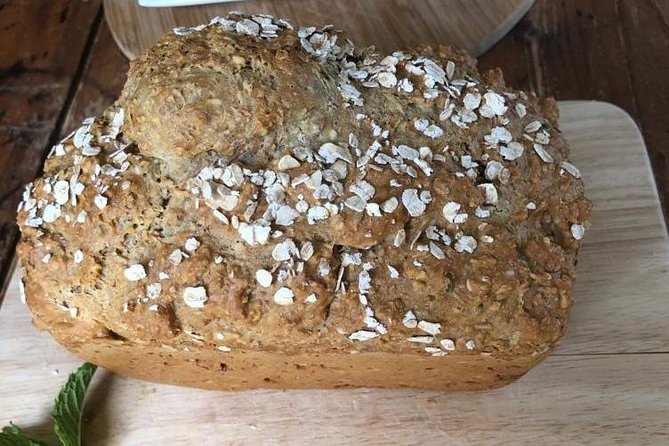
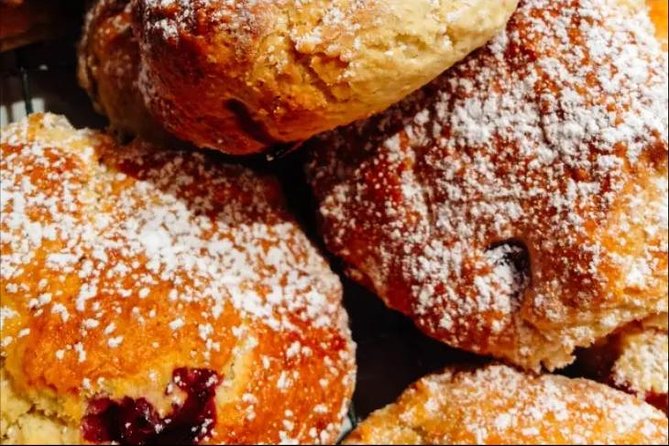
You can expect to make fruit scones using seasonal additions. Depending on the day, these may include raisins, berries, lavender, orange, or other available flavors. You also make spelt or brown bread, giving the class a useful balance between a sweet bake and a hearty loaf.
I like this pairing because you get more than one recipe without being rushed through a long menu. Scones teach you about a light dough and gentle handling. Brown bread gives you a second texture and a more substantial result. You leave with practical skills rather than just a plate of food.
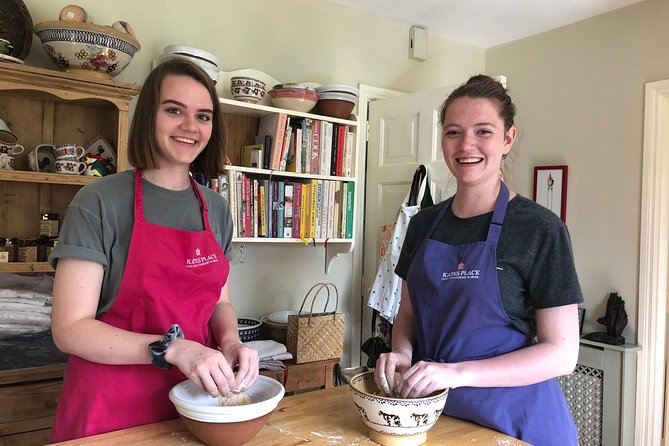
Kate’s approach is direct. You handle the ingredients yourself, follow each stage, and knead the dough instead of watching her do the work. If you are new to baking, you can ask questions as you go. If you already bake at home, the class gives you a chance to compare techniques and pick up useful details from someone with many years in food service.
More cooking and baking classes in Galway:
- Irish Craic & Cuisine: Cooking Class & Dinner in Central Dublin
★ 5.0 · 80 reviews - Irish Baking Class: Granny’s Apple Cake, Traditional Scones
★ 5.0 · 28 reviews - Private Cooking Class in a Modern Home with Sea Views in Skerries, Dublin
★ 5.0 · 12 reviews
What happens during the two-hour class
The class begins at Kate’s home at 4, Roevehagh, Kilcolgan, County Galway. Ingredients, bowls, utensils, and baking equipment are prepared before you arrive, so the short session can focus on making rather than setting up.
You start with the scones. Kate guides you through combining the ingredients, adding the fruit or seasonal flavor, and forming the dough. The hands-on work is the point. You get a feel for the texture and learn how much handling is enough. Overworking scone dough can make it heavy, so this is the sort of small lesson that can improve your results at home.
The flavor choices add a little personality to the bake. Lavender gives a floral note, while berries and raisins make the scones sweeter and more familiar. Orange is another possibility. You may not get every flavor in one session, since the selection depends on what is seasonal and available.
Next comes the bread. The class may use spelt or brown bread, both of which offer a more earthy flavor than a soft white loaf. You work with the dough, learn the basic method, and bake it in the home kitchen. The process is simple enough for a first-time baker, but Kate’s tips help you understand why the ingredients and technique matter.
The pace is relaxed rather than formal. Kate talks while you work, shares baking advice, and keeps the mood light. Several comments about the class point to her humor and warm hosting style, but the useful part is that conversation does not replace instruction. You are still involved at every stage.
Scones, brown bread, and tea in the sunroom
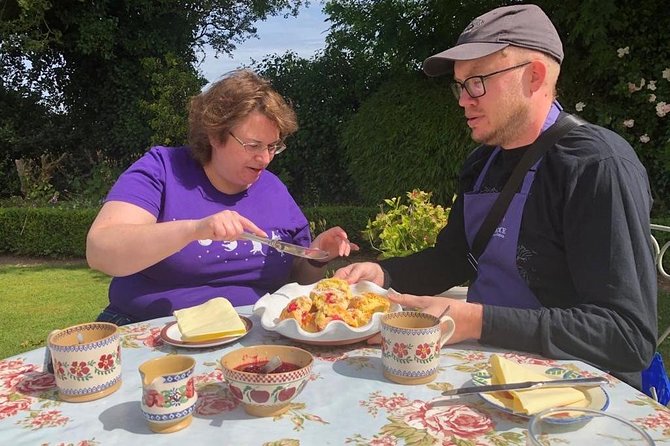
The food you make is not packed away and forgotten. After baking, you sit down and eat the scones and bread while they are fresh. Tea and coffee are provided, along with Irish butter, jams, and marmalade.
This final sitting is an important part of the experience. It turns a short cooking lesson into a social visit. You get time to taste the differences between the bakes, talk with Kate, and enjoy the results without having to clean up a kitchen or find a cafe afterward.
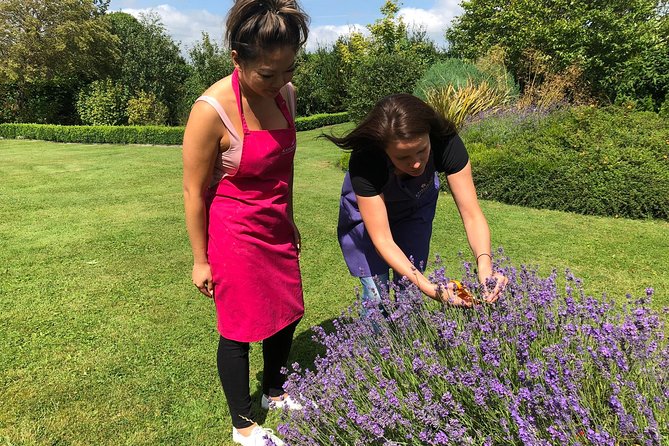
The sunroom is used for serving, and if the weather is suitable, you may sit outside in the garden. The garden itself is part of the appeal, with lavender and other plants that may even contribute to the day’s ingredients. The setting sounds especially pleasant in good weather, though you should treat outdoor seating as weather dependent rather than guaranteed.
You may have extra scones or bread to take away. Several people have enjoyed the baked goods over the following couple of days, which adds value to the class. Still, the amount you take home can vary, so do not book it as a full meal or expect a large food parcel.
Why the recipes are worth taking home
Kate provides printed recipes, and that makes this class more useful than a one-time cooking demonstration. You can try the scones and bread again after returning home, using the techniques while they are still fresh in your mind.
The recipes also give you a practical souvenir. Instead of buying another trinket, you take home a skill connected to Ireland’s everyday food culture. Brown bread is particularly suited to this kind of souvenir because it can become part of your regular baking routine.
I would still pay attention during the class rather than relying only on the printed sheet. The paper gives you measurements and steps, but Kate’s advice about mixing, kneading, and judging the dough is harder to capture in writing. Ask questions while you have the chance, especially if you bake with different flour at home.
The class suits people who want to recreate the experience. It may be less useful if you only want to eat scones and have no interest in cooking. In that case, an afternoon tea would be a better match. Here, the baking is the main event.
A few more Galway days to weigh up
- Caherconnell Fort & Sheepdog Demonstrations
★ 5.0 · 645 reviews - Galway: Trad on the Prom Ticket with Irish Music and Dancing
★ 4.9 · 482 reviews - The Welcome to Galway Walking Tour
★ 5.0 · 427 reviews - Trad on the Prom – Ireland’s #1 Music, Song & Dance Experience
★ 5.0 · 346 reviews
The setting feels personal, not staged
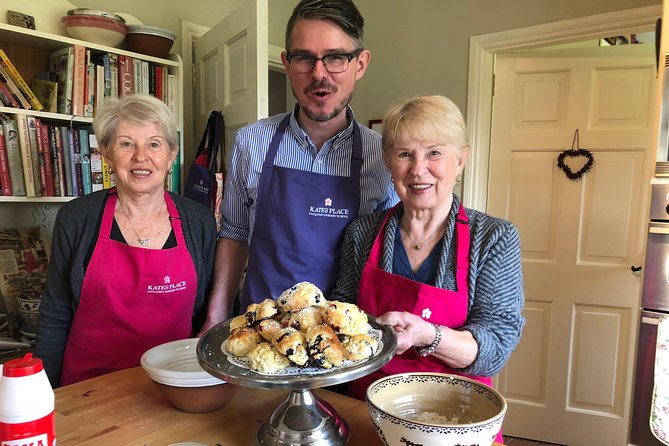
This is a private activity, so only your group participates. That gives the class a more intimate feel than a large culinary workshop. You are working in Kate’s kitchen, not in a schoolroom designed for dozens of people.
The home setting also shapes the experience. You may meet John, Kate’s partner, and Coco, the family dog. Coco has become part of the welcome for many people, so this may be a pleasant extra if you like dogs. Service animals are allowed, but the presence of a household pet is worth keeping in mind when considering comfort and allergies.
Kate’s home and garden receive plenty of attention for good reason. The garden has been described as carefully tended, with flowers, herbs, vegetables, and lavender. The surroundings add charm, but the real value remains the instruction and the chance to share food at the end.
There is also a social side that solo visitors may appreciate. The private booking format does not necessarily mean you will be alone with Kate, since the experience can bring together a small group depending on the booking arrangement. One solo participant appreciated meeting other people while learning. If you prefer a completely quiet or highly formal class, Kate’s friendly banter may feel more relaxed than expected.
Getting from Galway city to 4 Roevehagh
The meeting point is in Kilcolgan, County Galway, at H91 RHH9. This is not a central Galway walking activity. You need to plan your transport before booking, especially if you are staying in Galway city and have a fixed schedule afterward.
Driving is the easiest option. From Galway city toward Kilcolgan village, follow the directions provided: take the first left after O’Donoghues Bar, continue for a couple of kilometers to a T junction, turn left, then take the first right after crossing the bridge. Kate’s home is the last house in the estate and has a purple door.
Do not rely on a quick glance at a map pin alone. A rural residential address can be harder to spot than a cafe or museum, particularly if you arrive close to the start time. Leave enough time to find the estate and park without rushing into the kitchen late.
Public transportation may be possible, but you should check the current Bus Éireann or Expressway information and live timetable before setting out. One delayed arrival was accommodated, but lateness is still a risk during a short two-hour class. A taxi from Galway has been estimated at about 40 euros each way, which can make the transport cost a major part of your budget.
Pickup and drop-off can be arranged for some visitors arriving at or departing from the bus stop. Contact Kate in advance rather than assuming this is automatic. If you plan to use public transport, confirming the connection and any pickup option before booking will make the day much easier.
Is $90.74 a fair price?
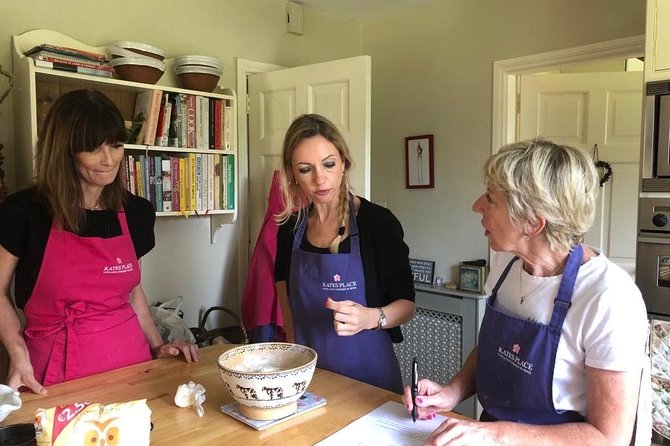
The listed price is $90.74 per person for about two hours. That is not cheap if you compare it with buying a scone and coffee in a Galway cafe. But this is not simply a food stop. The price includes ingredients, utensils, instruction, tea or coffee, the food you bake, and printed recipes.
The value improves if you care about the setting and the personal teaching. You are paying for access to a local kitchen, a private or small-group format, and the chance to make two Irish staples yourself. The recipes continue to be useful after the class, which gives the experience a longer life than a single snack.
Transport can change the calculation. If you need a taxi from Galway city at roughly 40 euros each way, the total cost becomes much higher. A car, a confirmed bus connection, or an arranged pickup makes the class a better value. I would compare the full door-to-door cost, not just the advertised per-person price.
The experience is often booked well ahead, with an average booking lead time of about 55 days. If your dates are fixed, reserve early. You can cancel for a full refund up to 24 hours before the start time, but changes or cancellations inside that window are not accepted for a refund.
Who will enjoy this baking class most?
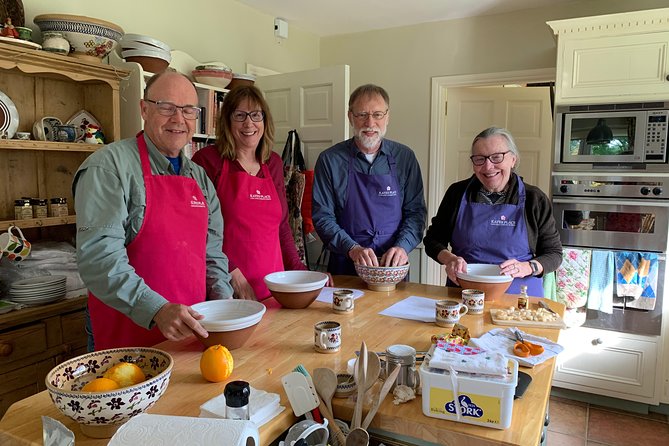
I would recommend it to:
- Couples who want a relaxed food activity outside central Galway
- Families with older children who can take part in mixing and kneading
- Solo visitors who enjoy conversation and meeting people through cooking
- Home bakers looking for Irish recipes and technique tips
- Anyone who prefers a personal home visit to a large commercial class
The class may not suit you if you have limited mobility around a private home, need a fully scheduled public-transport connection, or want a broad menu with several courses. The sample menu is focused: scones and brown bread, followed by tea or coffee.
It is also worth checking dietary needs before booking. The supplied information does not list substitutions or allergy arrangements. Ask Kate directly if you need changes to the recipes.
Should you book Kate’s Irish baking experience?
Book it if you want to spend part of your Galway trip doing something practical, social, and closely tied to home cooking. The strongest reasons are the hands-on instruction, the warm setting, the freshly baked food, and recipes you can use again.
I would make transport the deciding factor. With a car or a confirmed bus and pickup plan, this is a very appealing two-hour outing. Without one, the taxi cost and rural location may outweigh the benefits.
For a visitor who wants only a quick taste of Irish baking, choose a cafe. For someone who wants to learn how the food is made, share a table with a local host, and return home able to bake the same treats, Kate’s class is a well-focused choice.
FAQ
Where does the Irish baking class take place?
The class takes place at Kate Wright’s home at 4, Roevehagh, Kilcolgan, County Galway, H91 RHH9, Ireland.
How long does the experience last?
The experience lasts approximately two hours and ends back at the meeting point.
What will I bake?
You will make seasonal fruit scones, which may include flavors such as lavender, raisins, berries, orange, or blueberry, along with spelt or brown bread.
Are ingredients and utensils included?
Yes. The experience includes the ingredients and use of the required utensils.
Can I eat the food I make?
Yes. After baking, you can enjoy the scones and bread with tea or coffee. Irish butter, jams, and marmalade may also be served.
Will I receive the recipes?
Yes. Printed recipes are provided so you can make the scones and bread at home.
Is transport from Galway city included?
Transport is not listed as a standard part of the experience. The meeting point is in Kilcolgan, and pickup or drop-off may be arranged for some visitors. Contact Kate ahead of time if you need this option.
Just added around Galway
- Chauffeur Tours from Galway★ 5.0 · 16 reviews
- Abalone farm tour and tasting with coastal seaweed walk. Guided. 2 hours★ 5.0 · 4 reviews
- Dublin Airport to Galway ,Private Chauffeur Service★ 5.0 · 16 reviews
- Sheepdog herding demo on working sheep farm. Galway. Guided.★ 4.8 · 25 reviews
- Galway: Guided eBike City Sightseeing Tour★ 4.9 · 49 reviews
- Galway City Walk: Rougues, Rebels and Rakes★ 5.0 · 7 reviews
- Galway: The Irish Dance Experience★ 4.6 · 7 reviews
- Galway: Medieval Galway Tour★ 4.7 · 3 reviews
Cooking Classes, compared.
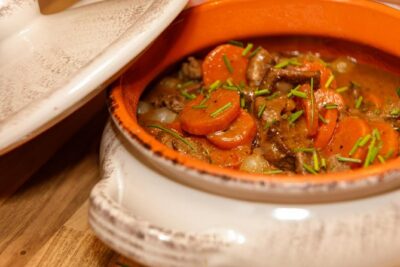
Irish Craic & Cuisine: Cooking Class & Dinner in Central Dublin
Our verdict on it →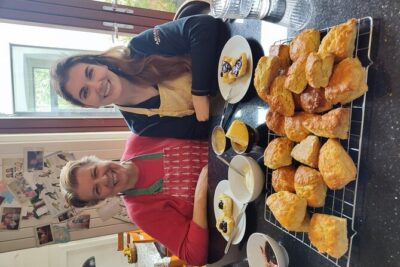
Irish Baking Class: Granny’s Apple Cake, Traditional Scones
Our verdict on it →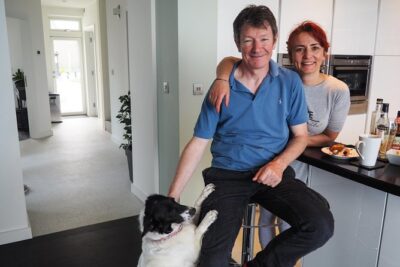
Private Cooking Class in a Modern Home with Sea Views in Skerries, Dublin
Our verdict on it →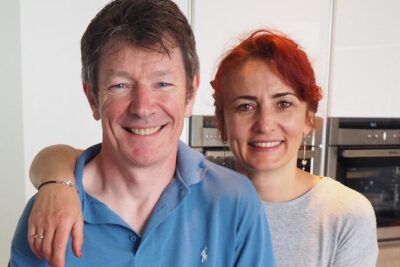
Private Market Tour and Irish Cooking Class in a Modern Skerries Home
Our verdict on it →
Learn to Cook with a Local Chef in her Beautiful Dublin Home
Our verdict on it →Browse the lists this tour appears in