
Reviewed · MEDIEVAL AND VIKING TOURS
Medieval Mile Street Tour
Kilkenny’s Medieval Mile is short on a map but packed with stories. This walk takes you from St. Mary’s Medieval Mile Museum through old trading lanes, a witchcraft trial site, a former jail, and the remains of the city walls. Alice Kyteler’s case gives the tour its sharpest hook, while the smaller details about trade, prayer, and civic power fill in the picture.
I like two things here. First, the route makes good use of central Kilkenny, so you see real streets and buildings rather than only hearing a lecture indoors. Second, guides such as John bring plenty of energy to the walk, and one guide used audiophones so every word carried above street noise. The main consideration is that this is a brisk one-hour overview, not a full visit inside every historic building.
Key points to know before you book
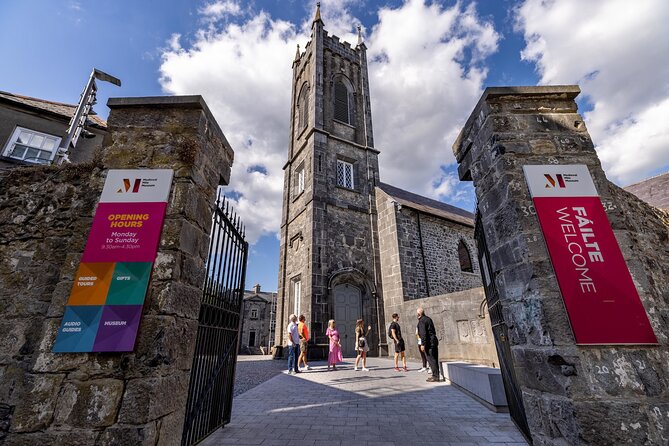
- Alice Kyteler’s 1324 witchcraft trial: Hear the story of one of medieval Ireland’s most infamous cases at Kyteler’s Inn.
- A compact central route: The walk lasts about 1 hour 5 minutes to 1 hour 15 minutes and returns to St. Mary’s Medieval Mile Museum.
- A useful first look at Kilkenny: The route links trade, religion, law, merchant families, and city defenses in one easy circuit.
- Guides who keep the history lively: John is named in several comments, with praise for his humor, enthusiasm, and storytelling.
- Small-group scale: The maximum is 25 people, large enough for a social walk but not a giant street crowd.
- Good value at $21.60: You are paying for a focused introduction to the city, not a package of major admission tickets.
Why Kilkenny’s Medieval Mile works so well on foot
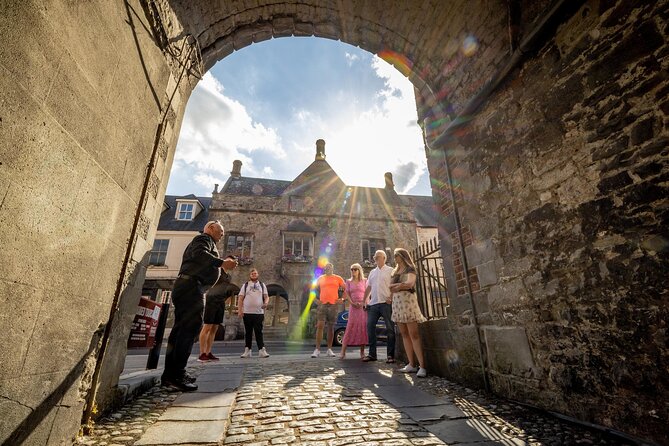
The Medieval Mile connects St. Canice’s Cathedral area with Kilkenny Castle, though this particular tour focuses on the central streets and sites around St. Mary’s Medieval Mile Museum. You are not being whisked between distant sights. You walk from one clue to the next, with the guide explaining how the city worked.
That matters because Kilkenny’s story is easier to understand when its parts sit close together. Trade brought goods and money. Merchant families gained influence. Religious foundations shaped daily life and personal prayer. Walls marked who belonged inside the civic community. Courts dealt with disputes, crime, and accusations.
I like this kind of walking tour for a first afternoon in town. It gives you names and landmarks you can recognize later, while the roughly 65 to 75 minute length leaves plenty of time for the castle, cathedral, museum, lunch, or a second wander through the lanes.
The walk is described as casual and non-stop. That should suit most people with a moderate level of fitness, but you still need to be comfortable standing and walking through city streets for about an hour. There is no promise of a long seated break.
More Medieval Tours in Kilkenny
- The Medieval Mile Museum Guided Tour
★ 5.0 · 155 reviews - Walk the Medieval Mile with Pat
★ 5.0 · 132 reviews - Medieval Mile Museum Self Guided Audio Tour
★ 5.0 · 91 reviews
Starting at St. Mary’s Medieval Mile Museum
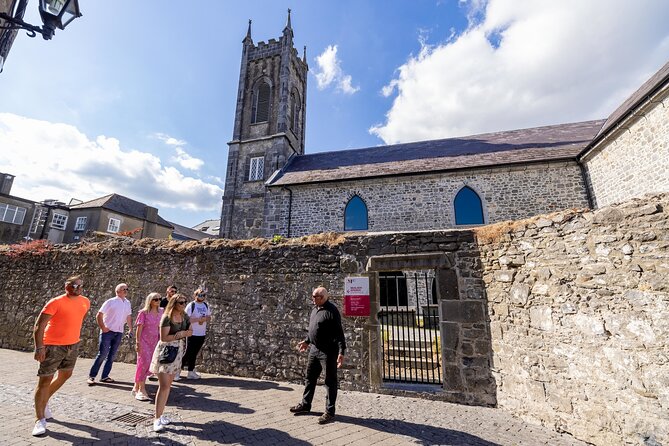
The meeting point is the gardens of St. Mary’s Medieval Mile Museum, at R95 K276 in Kilkenny. You check in at reception, then begin outside. This simple arrangement is useful: you have a clear indoor landmark for finding the guide, while the tour itself quickly moves into the streets.
The museum acts as more than a meeting point. It sets the tone for a tour that treats Kilkenny as a connected medieval town, not a collection of unrelated photo stops. The opening section lasts about 10 minutes, and admission to this part of the activity is free.
Do not expect a full museum visit to be included in the walking tour. The experience begins outside after you arrive at reception. If you want a longer indoor look at the city’s past, you will need to allow separate time for that.
The Shee Alms House and the medieval value of prayer
The first major stop is the Tourist Information Office, housed in the Shee Alms House. The building offers a useful window into the link between money, faith, and hopes for the afterlife.
Endowing an alms house could earn indulgences for its founder and help ease the journey of that person’s soul after death. The residents, in turn, were expected to pray for the founder. Sir Richard carefully placed the foundation in his will so those prayers would continue.
That detail gives you a more personal view of medieval charity. This was not simply a modern-style social service. It was also a spiritual arrangement, tying the founder’s memory to the daily lives of the people living there.
The stop lasts about 10 minutes. The information office is not included as an admission ticket, so think of this part as an exterior explanation rather than a guaranteed interior visit. I find it valuable because it shows how buildings could serve practical, religious, and personal purposes at the same time.
Butter Slip and Kilkenny’s trading life
At Butter Slip, the guide shifts from prayer to commerce. Goods arrived here from across Ireland and beyond, and ships were loaded for markets on the European mainland.
That short description carries a lot of weight. Kilkenny was not an isolated inland town. Its commercial life connected it to wider Irish trade and to continental buyers. A narrow passage such as Butter Slip becomes easier to notice once you understand that ordinary lanes could feed a much larger network of goods and money.
The stop takes around 10 minutes and is free. It is also a good example of the tour’s approach: you are not just looking at an attractive old street. You are learning what the street did.
I would pay close attention here if you like economic or social history. The tour does not present medieval Kilkenny only through kings, castles, and church leaders. It also asks you to think about merchants, cargo, markets, and the physical routes that kept the city alive.
Same part of the country, a completely different day out:
- Smithwick’s Experience Kilkenny Entrance Ticket
★ 5.0 · 601 reviews - Shenanigans Walks – Guided Walking Tour in Kilkenny
★ 5.0 · 485 reviews - Kilkenny Boat Trip
★ 5.0 · 323 reviews - Kilkenny Walking Tour with Local Certified Guide
★ 5.0 · 274 reviews
Kyteler’s Inn and a famous witchcraft case
Kyteler’s Inn is the tour’s most dramatic stop. In 1324, Kilkenny became the setting for the trial of Alice Kyteler, who was accused of witchcraft.
You do not need to be a specialist in medieval law to appreciate this story. The case brings together fear, accusation, power, gender, property, and religious authority. It also gives the guide a strong narrative thread in the middle of the walk.
The stop lasts about 12 minutes, the longest scheduled pause on the route. That extra time makes sense. A complicated case needs more than a quick date and a name, and a good guide can use the setting to explain why the trial mattered.
Guides John and Jon are named in the tour’s praise, though the spelling varies in the available comments. The most useful thing for you to know is that the guides are presented as lively storytellers, not dry lecturers. John is specifically praised for bringing Kilkenny’s past to life and for making the walk entertaining as well as informative.
This is also where a practical audio detail may matter. One guide used audiophones, allowing the group to hear clearly on noisy streets. That is not stated as a guaranteed feature for every departure, so do not book solely on that expectation. Still, it shows attention to the basic problem of a city walking tour: a strong story is no use if you cannot hear it.
Old Jail, Courthouse, and the Grace family
The route continues to Kilkenny Old Jail and Courthouse, once known as Graces Castle. Today, the site is tied to the courthouse, but its earlier name points to the Grace family, one of Kilkenny’s leading Old English merchant dynasties.
The Grace family belonged to the influential Ten Tribes that controlled much of the city’s political, economic, and social life from the late medieval period into the 17th century. This stop helps explain that local power did not rest only with distant rulers or church officials. Merchant families could shape the city itself.
I like the way this stop follows Butter Slip. First you hear about goods moving through the city. Then you meet the sort of family that could gain status and influence from that commercial world. The route builds a cause-and-effect story without needing a long lecture.
The stop lasts about 10 minutes and has no included admission charge. As with the other sites, the value is in the guide’s explanation and the view of the building from the street. If you want an inside visit, you should not assume it forms part of this walk.
Black Freren Gate and the meaning of city walls
Black Freren Gate gives the tour a change of pace. Here, the guide explains how medieval walls did more than protect Kilkenny from attack.
Walls defined identity. They marked the boundary between people who belonged to the civic community and those outside it. That idea adds depth to what might otherwise seem like a simple architectural remnant.
The stop is scheduled for about 10 minutes and is free. It is a good reminder to look beyond surviving stone. A gate controlled movement, but it also expressed who had rights, responsibilities, and recognition within the town.
For me, this is the sort of stop that makes a short tour worthwhile. You leave with a question to carry through the rest of Kilkenny: who was allowed in, who was kept out, and who had the power to decide?
High Street brings the story into modern Kilkenny
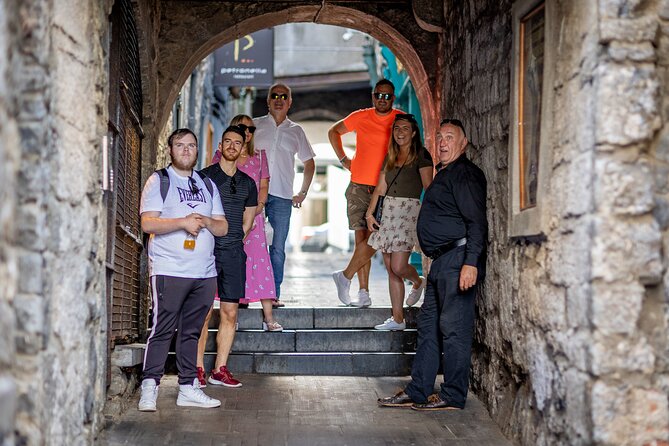
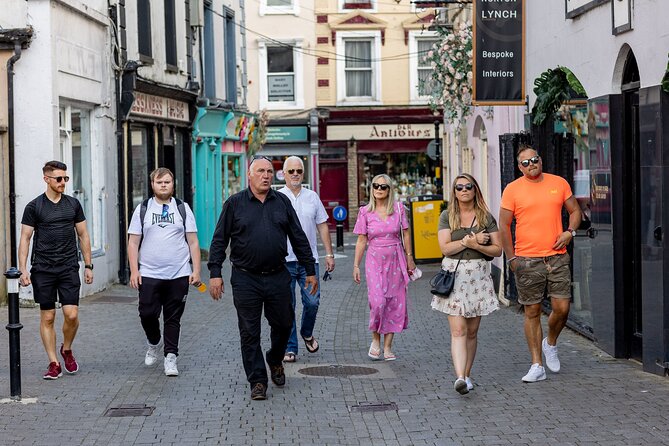
The final stretch takes place along High Street. This is a casual, non-stop stroll where the guide shares stories about St. Mary’s Cathedral, the Tholsel, and the Hole in the Wall.
The route ends back at the original meeting point. That makes the tour easy to fit into a day of sightseeing, since you are not left at an unfamiliar corner of town. It also means you can return to any site that caught your attention.
The High Street section lasts about 12 minutes. Since it is a moving finish rather than a fixed stop, keep your ears open and your pace comfortable. The guide is using the last part of the walk to tie together religious, civic, and social history.
One caution is worth making clear: the supplied details mention a quick bell tower visit and a good view, but the listed route itself focuses on the streets and named sites. Treat any tower access as something that may depend on the day, rather than a guaranteed feature of this exact booking.
What $21.60 buys you
At $21.60 per person, this is a reasonable price for a focused introduction to Kilkenny. You are paying for a live English-language guide, a planned route, and a connected explanation of the city’s past. The tour does not bundle a long list of paid attractions, so its value depends on how much you want context and orientation.
I would especially recommend it early in your stay. After an hour with the route, you can make better choices about where to spend the rest of your time. You may want to return to the museum, explore the cathedral, seek out the castle, or simply walk the streets with a clearer sense of what you are seeing.
The group limit of 25 is a sensible middle ground. It is not a private tour, and a full group can still gather around a narrow lane or noisy street. But it is far more manageable than a large coach group, and the use of audiophones, when available, can help.
The tour is offered in English and comes with a mobile ticket. Confirmation is received at booking. It is near public transportation, and service animals are allowed. These are small practical advantages, but they make the experience easier to slot into a day in Kilkenny.
Who will get the most from this walk?
I would choose this tour if you like local stories, old buildings, and a guide who explains why a place mattered. It is a strong match for first-time visitors who want a quick orientation without giving up half a day.
It also suits history fans who enjoy less familiar subjects. The route covers alms houses, medieval trade, a witchcraft accusation, merchant power, city boundaries, and civic landmarks. You get more than a list of dates.
Families and mixed-age groups may find the short length helpful, though the subject matter includes crime, religious fear, and witchcraft accusations. Anyone who dislikes walking tours, needs frequent seating, or wants extended time inside historic buildings should consider a different format.
The tour has free cancellation up to 24 hours before the start time. If you cancel later, the payment is not refunded, and changes made within that window are not accepted. The cut-off uses local time in Kilkenny.
Should you book the Medieval Mile Street Tour?
I would book this if you want a lively, compact introduction to Kilkenny and value a human guide over a self-guided stroll. The best reasons are the well-linked route, the Alice Kyteler story, the explanation of merchant families and city walls, and guides such as John who bring real energy to the telling.
I would skip it only if you want extensive interior access or a slow, highly detailed historical tour. At about an hour, this is a strong first chapter, not the whole book.
FAQ
Where does the Medieval Mile Street Tour begin?
The tour begins at the gardens of St. Mary’s Medieval Mile Museum, Kilkenny, R95 K276, Ireland. You should let reception know you have arrived before the walking tour starts outside.
Where does the tour end?
The activity ends back at the original meeting point at St. Mary’s Medieval Mile Museum.
How long does the tour last?
The tour lasts approximately 1 hour 5 minutes to 1 hour 15 minutes.
How much does the tour cost?
The listed price is $21.60 per person.
Is the tour offered in English?
Yes. The tour is offered in English, and a mobile ticket is available.
How large can the group be?
The maximum group size is 25 people.
Can I cancel for a full refund?
Yes. You can cancel at least 24 hours before the experience start time for a full refund. Cancellations or changes made less than 24 hours before the start time are not accepted for a refund.
Just added around Kilkenny
- Waterford Crystal & Kilkenny City Small Group Tour★ 4.7 · 6 reviews
- Semi Private tour Rock of Cashel – Cahir castle & Kilkenny★ 3.5 · 9 reviews
- Waterford, Kilkenny and House of Waterford Crystal★ 4.0 · 12 reviews
- Guided tour of Kilkenny in French with an Irish guide★ 5.0 · 26 reviews
- Kilkenny Food and Brewery Tour★ 4.5 · 6 reviews
- Knight For Hire Tour★ 5.0 · 63 reviews
- Kilkenny Romance: Private Tour with Professional Guide★ 4.5 · 6 reviews
- Kayak and SUP Tours Kilkenny★ 5.0 · 20 reviews
Medieval and Viking Tours, compared.
Walking Tour of Dublin’s Viking/Medieval Quarter with a Viking
Our verdict on it →
Waterford Treasures: Medieval Museum Admission Ticket
Our verdict on it →
Book of Kells. Medieval Dublin Castle. 5* History & Heritage Tour
Our verdict on it →

Browse the lists this tour appears in