
Reviewed · FOOD & DRINK
Irish Soda Bread Baking and Food Heritage Experience
The best part of this Westport experience is that you do not just eat Irish soda bread, you make it yourself. Carmel and Mary guide you through brown soda bread and scones, then sit down with you for hot baking, Irish country butter, homemade jam, tea, and local food stories.
I like the private class format, capped at 10 people, and the fact that you take home a loaf you baked. I also like the warm human touch: the teaching includes anecdotes, butter, heritage, and the small tricks that can turn a disappointing scone into a decent one.
The main consideration is time. At about two hours, this is a focused morning activity rather than a full cooking course, so you will not be preparing a long Irish meal or touring several food producers.
Key points at a glance
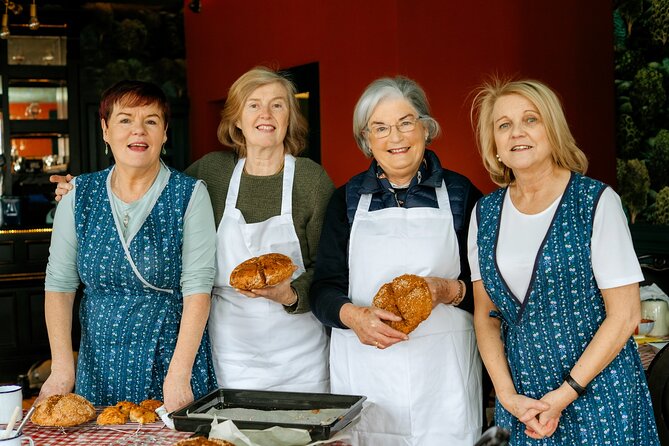
- Bake two Irish staples: Make traditional brown soda bread and scones from scratch.
- Learn from Carmel and Mary: The class combines practical instruction with stories about Irish food customs.
- Taste the results fresh: Enjoy warm baking with Irish country butter, homemade local jam, and tea.
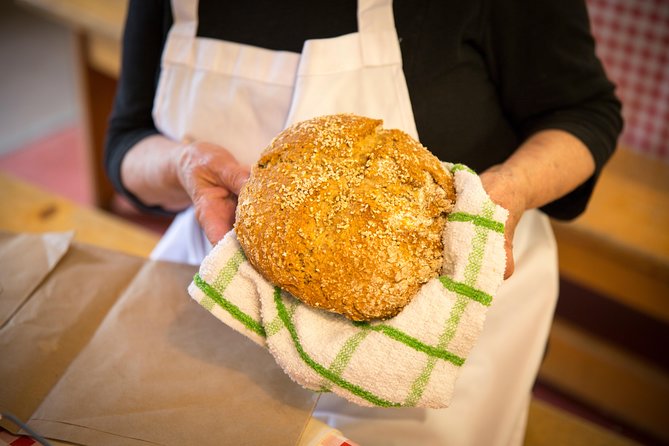
- Take home your loaf: Your brown soda bread gives you a useful souvenir, not just a photograph.
- Keep the group small: The experience allows no more than 10 people, with a private class format.
- Meet in central Westport: The session begins at the Clew Bay Hotel on James Street at 10:00 am and ends there.
Why soda bread makes a good Irish food lesson
Irish soda bread is a sensible choice for a short food experience. It uses familiar ingredients and does not require the long proving time associated with yeast bread. That means you can mix, shape, bake, and taste your work within a two-hour session.
The simplicity is also the point. Soda bread is tied to everyday Irish cooking, not restaurant theatre. It has long been valued as a practical loaf that could be made without special equipment or a long wait. Learning it gives you a small window into how Irish households handled basic baking.
You will work with brown soda bread and scones, two foods that sit comfortably beside a cup of tea. The class is not about rare ingredients or complicated chef techniques. It is about handling a dough properly, understanding the ingredients, and learning how to produce food that feels at home in an Irish kitchen.
I find that useful for a holiday. You can repeat the recipe at home without needing a professional oven or a cupboard full of unusual supplies. The loaf you bring back is also a better reminder of Westport than a generic souvenir.
More cooking and baking classes in Ireland:
- Traditional Irish Homemade Baking Scones and Bread
★ 5.0 · 195 reviews - Irish Craic & Cuisine: Cooking Class & Dinner in Central Dublin
★ 5.0 · 80 reviews - Irish Baking Class: Granny’s Apple Cake, Traditional Scones
★ 5.0 · 28 reviews
Starting at 10:00 am in Westport
The meeting point is the Clew Bay Hotel on James Street, in Cahernamart, Westport, County Mayo. You should allow enough time to arrive before the 10:00 am start, especially if you are walking across town or connecting by public transportation.
The location matters because the experience begins in town rather than at a distant farm or cookery school. That makes it easier to fit into a Westport morning. You can schedule it before an afternoon outing, a walk, or other sightseeing in County Mayo.
The activity ends back at the same meeting point. You are not left to arrange a second transfer, and the overall plan stays simple: arrive at the hotel, bake, eat, and leave with your loaf.
The experience has a mobile ticket, and confirmation is provided when you book. It is worth keeping the ticket easy to access on your phone. The class requires a minimum number of people to operate, so a cancellation for that reason would result in another date or experience, or a full refund.
Meeting Carmel and Mary at the baking table
Carmel and Mary are central to the appeal of the morning. Their role is not just to hand you a recipe and point toward a mixing bowl. They guide the process, explain what you are doing, and add stories and anecdotes as the bread comes together.
That storytelling gives the class a local character. You learn about how Irish soda bread developed and why these foods matter, while your hands are busy with the mixture. The best food lessons connect a recipe to ordinary life, and this one aims to do that without turning into a lecture.
The instruction also appears well suited to people who do not bake often. One especially practical benefit is the chance to understand how a scone should feel and behave before it goes into the oven. If you have struggled with dry, heavy, or awkward scones at home, direct guidance can be more useful than another page of instructions.
You should expect participation rather than a demonstration from a distance. The wording of the experience makes clear that you prepare the bread and scones yourself. That is important when comparing this with a food tasting, where you simply watch someone else cook.
Making brown soda bread from scratch
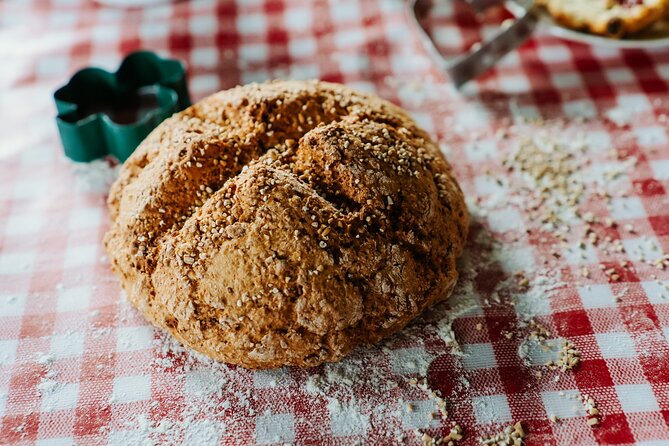
The brown soda bread is the main project. You will prepare it from scratch, with Carmel and Mary leading you through the stages. The class then bakes the loaf so you can taste fresh bread and take your own loaf home.
Brown soda bread has a hearty character and works well as a lesson because the finished loaf is substantial enough to share. You get to see the change from raw mixture to baked bread, then judge the result while it is still fresh.
The take-home loaf adds real value. Many short cooking activities end when the plate is cleared. Here, you leave with something you made, which gives you another chance to enjoy the experience later in your trip or after returning home.
There is one practical point to keep in mind: the bread you take home may need careful handling for the rest of your day. The information confirms that you receive your loaf, but it does not specify packaging or how long it will keep. If you have a full day of sightseeing afterward, ask about the best way to carry it.
More History Tours in Ireland:
- Dublin Historical Centre Food Tour with 8 Food Tastings & Drinks
★ 5.0 · 1,718 reviews - 2-Hour Historical Walking Tour from Dublin
★ 5.0 · 875 reviews - Historical 2-Hour Guided Walking Tour of Dublin
★ 4.7 · 865 reviews - Dublin to Cork, Blarney Castle & Cóbh Heritage Centre by train
★ 4.5 · 510 reviews
Making scones and eating them warm
The second baking task is scones. This gives the session a different kind of practice. Soda bread is a loaf, while scones are smaller and more sensitive to handling, so you get a chance to work with two related but distinct bakes.
Once the scones are ready, they are served with generous amounts of Irish country butter and homemade jam made locally. Tea completes the setting. This is not just a snack added at the end. It is the moment when you taste the results and sit down for conversation.
I like this part because it connects instruction with pleasure. You learn the method, then eat the food in the way it is meant to be enjoyed. The butter and jam also make the meal feel properly Irish rather than like a plain cooking-school sample.
The tea and chat are useful for people who enjoy the social side of food. You can ask questions, hear more stories, and compare what you produced with the texture and taste you hoped for. The session remains small enough that the conversation should feel more personal than a large group demonstration.
Food heritage without a formal lecture
The class includes an introduction to Irish food culture and heritage, including the story of how Irish soda bread came about. You also learn about butter, an ingredient that might seem ordinary but is central to the final taste of both bread and scones.
That focus on everyday food is a strength. You are not being asked to admire a complicated dish from a distance. You are learning why basic ingredients mattered, how they were used, and how they still appear on Irish tables.
The experience also gives you contact with local hosts rather than only a scripted presentation. Carmel and Mary share stories while teaching, which keeps the background connected to the work in front of you. You should come ready to listen as well as mix.
This is a good match for anyone who wants more than a quick tasting but does not want a full-day food tour. It gives you a clear activity, a meal-like finish, and enough cultural context to make the recipe more memorable.
Is $80.25 a fair price?
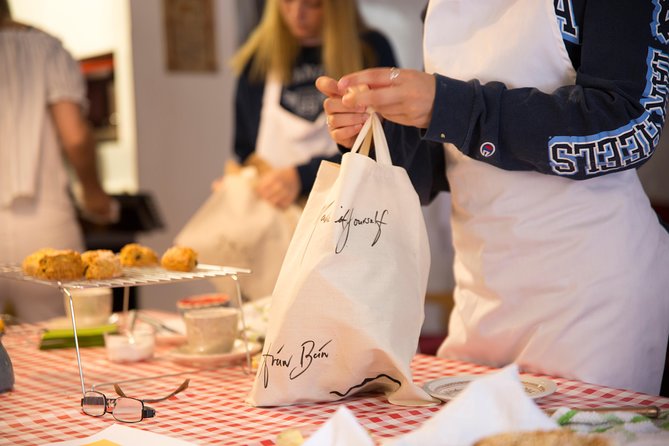
At $80.25 per person, this costs more than buying a loaf and a scone in a Westport café. That comparison is fair, but incomplete. The price includes about two hours of instruction, ingredients, a private hands-on class, tea, butter, homemade jam, the food you eat, and a loaf to take away.
The value depends on how much you want to participate. If you only want to taste Irish baking, spend less at a bakery. If you want to learn a recipe, meet local teachers, hear food stories, and make your own bread, the price is easier to justify.
The small maximum of 10 people helps. A capped group gives you a better chance to follow the steps, ask questions, and get help with the dough. The information describes the class as private, which may make it especially appealing to couples, families, or small groups who want a shared activity.
I would regard it as good value for a person who enjoys cooking or wants a hands-on cultural experience. It is less compelling for someone who is looking for a broad tour of Irish food, several tastings, or a long list of recipes.
Who will enjoy this Westport experience
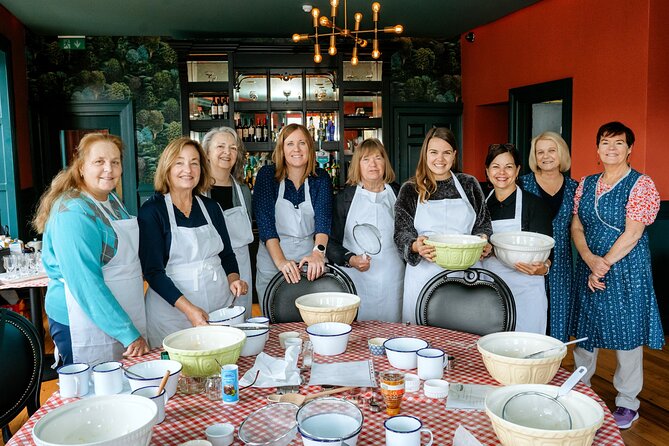
This class suits you if you like practical activities. You do not need to be an experienced baker. In fact, the guidance may be most useful if you have tried making scones or bread and want a clearer feel for the process.
It also works well for couples and small groups. The 10-person limit keeps the class from becoming a crowd, and the shared tea gives the morning a relaxed social finish.
Families may enjoy the hands-on format, though the supplied information does not state a minimum age or specific child arrangements. If you are booking with children, confirm those details before paying.
Food lovers will appreciate the focus on country butter, local homemade jam, and brown bread. People interested in Irish culture should like the link between recipe and heritage. The experience is also a good rainy-day choice in County Mayo, since the main activity takes place indoors, though the available information does not specifically promise weather-related arrangements.
You may want to choose something else if your priority is a full meal, a market visit, a farm tour, or a longer chef-led workshop. This is a compact baking class with a strong local and personal focus.
Booking, timing, and cancellation details
The session starts at 10:00 am and lasts about two hours. The average booking lead time is 59 days, so I would not leave it until the last moment if this is important to your Westport plans.
Free cancellation is available if you cancel at least 24 hours before the local start time. Cancellations or changes made inside that window are not refunded or accepted. If the minimum number is not reached and the class is canceled, you will be offered another date or experience, or a full refund.
The activity is near public transportation, and the meeting point is the Clew Bay Hotel on James Street. Since the end point is the same as the start, the class is easy to place within a day in Westport.
My recommendation for booking
I would book this if you want to meet local hosts, learn two useful Irish bakes, and sit down for a simple tea with warm food at the end. Carmel and Mary bring the personal element, while the brown bread you take home gives the morning a lasting purpose.
I would skip it if you want a wide-ranging food tour or a substantial meal. For everyone else, the small group, practical instruction, Irish food background, and take-home loaf make the $80.25 price reasonable, especially if baking is part of how you like to experience a place.
FAQ
Where does the Irish Soda Bread Baking and Food Heritage Experience begin?
It begins at the Clew Bay Hotel, James Street, Cahernamart, Westport, County Mayo, Ireland.
What time does the class start?
The experience starts at 10:00 am.
How long does the baking experience last?
It lasts approximately two hours.
What will I bake during the class?
You will make traditional Irish soda bread and scones from scratch.
Can I take anything home?
Yes. You bring home the brown soda bread you baked during the class.
What is the cancellation policy?
You can cancel up to 24 hours before the experience start time for a full refund. Cancellations and changes made less than 24 hours before the start are not accepted or refunded.
More Food and Drink Tours in Ireland
- Dublin Jameson Distillery Bow St. Tour and Tasting 45 mins
★ 5.0 · 4,690 reviews - Dublin Teeling Whiskey Distillery Guided Tour and Tasting 1 Hour
★ 5.0 · 1,765 reviews - Dublin: Irish Whiskey Museum Tour and Whiskey Tasting
★ 4.6 · 999 reviews - Dublin: Teeling Whiskey Distillery Tour & Tasting
★ 4.6 · 897 reviews
Just added around Ireland
- Wicklow: Private Day Tour from Dublin★ 5.0 · 5 reviews
- Westport: Fun-filled walking tour of a beautiful town★ 5.0 · 7 reviews
- Wicklow Mountains Private Day Tour including Glendalough★ 5.0 · 7 reviews
- Waterford: Mount Congreve Gardens Entry Ticket★ 5.0 · 7 reviews
- Waterford: The Irish Wake Museum Guided Tour★ 4.8 · 6 reviews
- Westport: Beach and Countryside Guided Horse Ride★ 4.8 · 6 reviews
- Avondale: Beyond the Trees Treetop Walk & Tower Entry Ticket★ 4.6 · 47 reviews
- Valentia Island : The Experience★ 4.0 · 6 reviews
Food & Drink, compared.

Dublin Jameson Distillery Bow St. Tour and Tasting 45 mins
Our verdict on it →
Dublin Teeling Whiskey Distillery Guided Tour and Tasting 1 Hour
Our verdict on it →
Dublin Historical Centre Food Tour with 8 Food Tastings & Drinks
Our verdict on it →
Irish Whiskey Museum Tour and Whiskey Tasting
Our verdict on it →
Cork Midleton DistilleryJameson Experience & Whiskey Tasting
Our verdict on it →
Browse the lists this tour appears in