
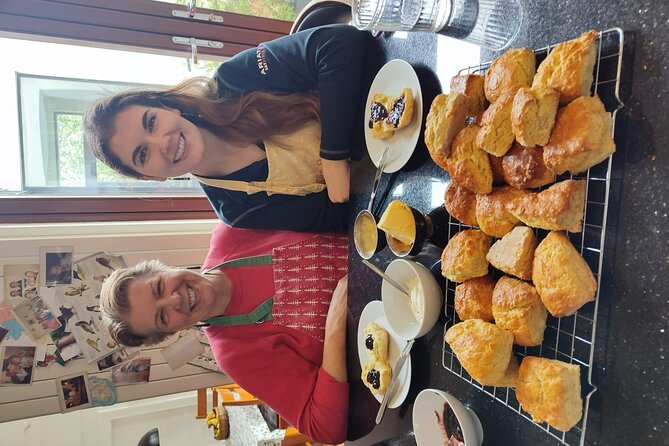
Reviewed · WORKSHOPS
Irish Baking Class: Granny’s Apple Cake, Traditional Scones
The best part of this Dublin experience is that you bake in Emily Lavelle’s home, not in a busy demonstration kitchen. Over tea or coffee, you learn how Irish families bake, talk about food and daily life, then sit down with something warm from the oven. It feels personal, practical, and pleasantly informal.
I like the choice between traditional scones and Granny’s apple cake, and I like that Emily sends you the recipes so the class can continue in your own kitchen. The small group, capped at six people, also gives the session a friendly, easy pace. The main consideration is the price: at $102.41 per person for about 90 minutes, this is more expensive than a standard cooking class, so its value depends on how much you want the home setting and conversation.
Key Points at a Glance
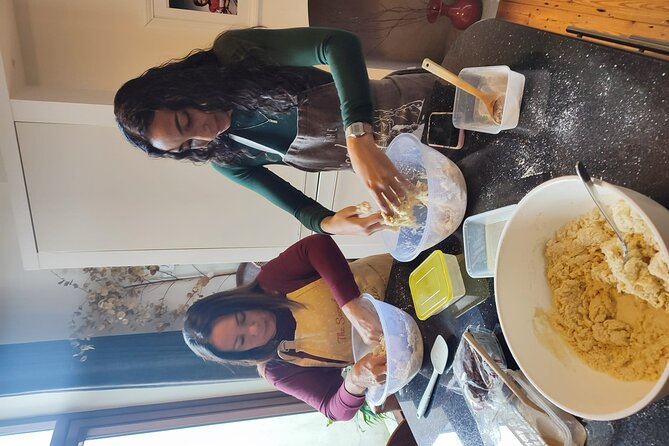
- Bake in a real Dublin home: The class takes place in Emily’s Victorian home in the Morehampton Road area, giving the experience a personal feel.
- Choose one Irish bake: Make traditional scones with butter, jam, and cream, or Granny’s apple cake with its spiced apple filling.
- Small groups matter: With no more than six people, you should have room to ask questions and take part.
- More than a recipe lesson: Emily also talks about Irish food, customs, heritage, and daily life in Dublin.
- Useful for families: Children aged eight and older can join, and dietary needs can be arranged in advance.
- Simple morning timing: The class starts at 10:30 a.m., lasts about 90 minutes, and ends where it began.
A Dublin Baking Class With a Personal Welcome
This is not a quick stop at a bakery counter. You arrive at a private home on Morehampton Road and begin with tea or coffee before the baking starts. That small opening matters. It gives you time to settle in, meet Emily, and get a feel for the relaxed tone of the morning.
Emily Lavelle leads the class as both a baking teacher and a diet and wellness coach. Her approach combines traditional Irish recipes with practical advice about cooking and everyday eating. You are not simply copying steps from a printed card. You can ask why a technique matters, how to avoid common mistakes, and how to make the finished food work at home.
The home setting is central to the experience. A cooking school can teach you a recipe, but a home class can also show you how baking fits into ordinary life. Emily shares family recipes and talks about Irish food culture while you work. That connection is likely to appeal to you if you enjoy meeting local people as much as seeing famous sights.
The group limit of six is another strong point. A larger class can leave you waiting for equipment or watching someone else do the important step. Here, the size should make it easier to participate and speak directly with Emily. It also suits a family or a small group of friends who want to do something together without committing to a full-day food tour.
More Workshops in Dublin
- Dublin: Forge a Silver Ring Workshop on Drury Street
★ 4.9 · 1,065 reviews - Dublin: Irish Music and Dance Show with Dance Lesson
★ 4.7 · 567 reviews - Dublin: Roe and Co Distillery Cocktail Workshop Experience
★ 4.9 · 489 reviews
Choosing Between Scones and Granny’s Apple Cake
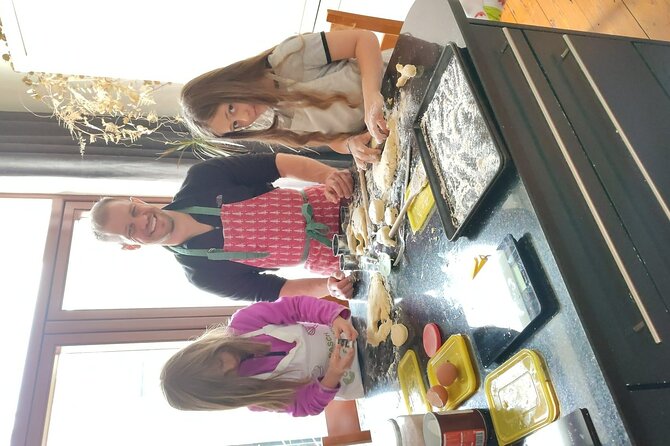
The core class gives you two choices: traditional Irish scones or Granny’s apple cake. You should choose based on the kind of baking you want to repeat at home.
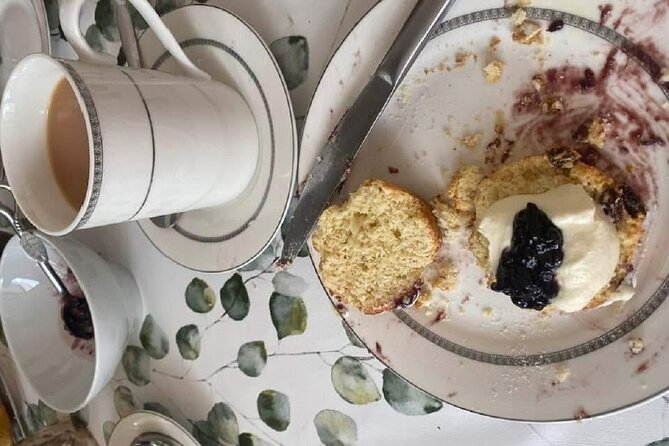
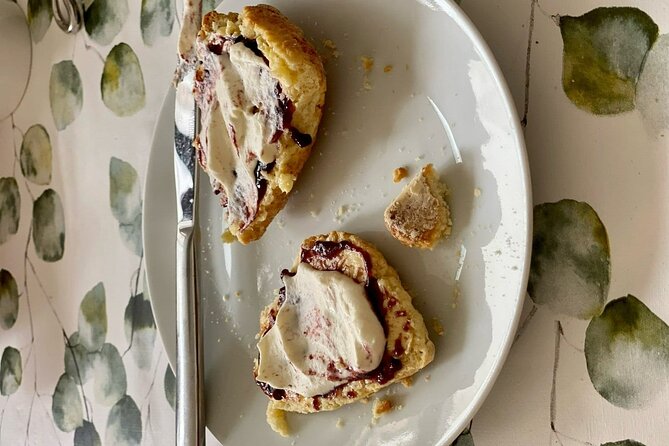
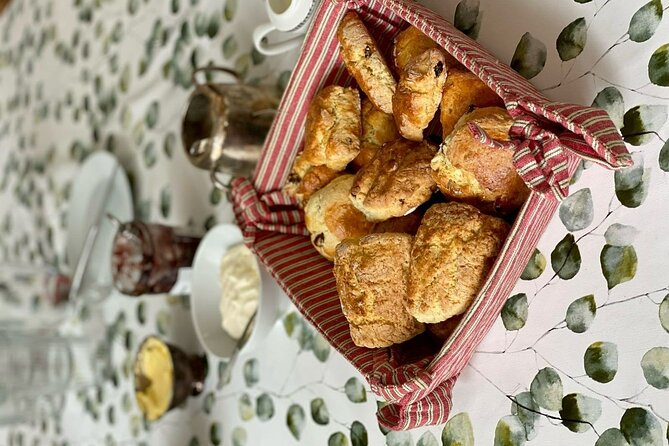
The scones are golden, buttery, light, and fluffy. Once baked, they are served with Irish butter, Irish jam, and fresh cream. This is the quicker, more familiar option if you want to learn a useful everyday bake. Scones also give you a good lesson in handling dough, since overworking it can make the result heavy.
The apple cake is a more distinctive choice. It contains chunks of apple and uses sugar and spice for a warm, homestyle flavor. The finished cake is served with fresh cream, which makes it feel like a proper Irish afternoon treat rather than a plain baking exercise.
The apple cake may be the better pick if you want a family recipe with a stronger sense of place. The name comes from Emily’s grandmother’s recipe, and that personal link gives the class a story that a standard baking-school formula cannot match.
The advertised format asks you to choose one bake, so you should not book expecting to make both during the 90-minute session. Some individual sessions have included extra baking, such as soda bread or both recipes, but those additions should not be treated as guaranteed. If making both is important to you, ask Emily before booking.
What the 90-Minute Morning Looks Like
Your start time is 10:30 a.m. The morning begins with tea or coffee, creating a calm introduction before you measure ingredients or turn on the oven. This is also when the cultural side of the class gets underway, with conversation about Irish food and traditions.
Next comes the hands-on baking. Emily guides you through the chosen recipe and shares techniques aimed at helping you succeed after the class. That makes the session useful for a beginner, and it can still be enjoyable for someone who already bakes but wants an Irish recipe to add to the kitchen shelf.
As the mixture bakes, the pace changes. You have time to talk rather than rushing from one instruction to the next. Emily uses this part of the class to discuss Irish life, food customs, and her own family connections. The pause also gives you a chance to ask about substitutions, serving ideas, or ways to avoid a disappointing result at home.
Finally, you sit down to eat what you made. Scones come with butter, jam, and cream. Apple cake comes with fresh cream and its spiced apple flavor. This shared tasting is more satisfying than simply carrying a baked item away, since you get to enjoy the result while it is still warm.
You can take home extra baking, and Emily provides the recipes. Those are useful details for a short class. You leave with something to eat and a way to repeat the experience after your Dublin visit.
Why the Home Setting Adds Value
The private-home setting changes the mood. You are not being moved through a commercial kitchen with a fixed script and a large crowd. The class takes place in a Victorian Dublin home in the Donnybrook area, which gives the morning a quieter residential feel.
That setting also supports the cultural side of the visit. Emily’s stories about family recipes, Irish heritage, and life in Dublin come naturally while you are preparing food. The result is part cooking lesson and part conversation around the kitchen table.
This is especially useful if your Dublin schedule already includes museums and major sights. You get a look at a different part of the city, one built around a local host and an ordinary domestic activity. One participant described the experience as a highlight of a first Dublin trip, which makes sense if you value human contact over a long list of attractions.
There is a small trade-off. A private home does not offer the polished production of a professional culinary school. The appeal is warmth and access, not a formal chef’s demonstration or a broad menu. Book this for the personal setting, not for a large selection of dishes or advanced culinary training.
More cooking and baking classes in Dublin:
- Irish Craic & Cuisine: Cooking Class & Dinner in Central Dublin
★ 5.0 · 80 reviews - Private Cooking Class in a Modern Home with Sea Views in Skerries, Dublin
★ 5.0 · 12 reviews - Private Market Tour and Irish Cooking Class in a Modern Skerries Home
★ 5.0 · 7 reviews - Learn to Cook with a Local Chef in her Beautiful Dublin Home
★ 5.0 · 3 reviews
Food, Culture, and Emily’s Teaching Style
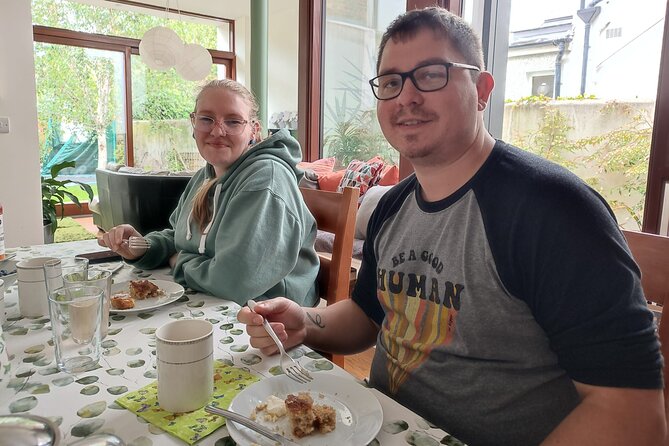
Emily’s role is more than showing you how to mix ingredients. She brings family recipes into the lesson and talks about Irish heritage and food traditions. You can expect the conversation to be an important part of the time, especially while the baking is in the oven.
Her background as a diet and wellness coach adds another layer. She offers cooking tips aimed at a healthier, happier lifestyle, though the class still celebrates butter, cream, jam, sugar, and cake. That balance is sensible. Traditional food is part of the point, while the practical guidance can help you think about how you cook at home.
The teaching style appears suited to people who do not bake often. One group included non-bakers and still found the session easy to enjoy, while families appreciated the warm atmosphere and simple instructions. You should not need advanced skills to take part.
The class also works for solo visitors, though the minimum booking is two people. A solo visitor would need to join another booking or arrange a second participant. For couples, parent and child pairs, and small friend groups, the format should feel natural.
Is $102.41 a Fair Price?
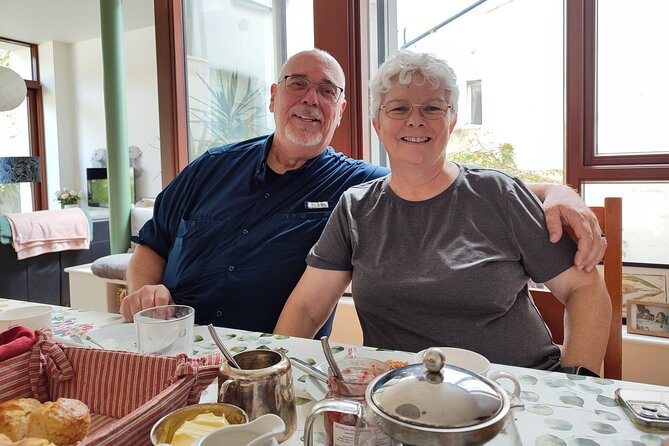
At $102.41 per person, this is not a budget breakfast. The class lasts about an hour and a half, and the food itself uses everyday baking ingredients. If you judge the price only by the cost of scones or apple cake, it will seem high.
The value comes from the full package: a small group, a private home, instruction from Emily, cultural conversation, tea or coffee, the food you bake, extra baking to take home, and recipes for later. You are paying for access to a host and a personal setting as much as for the ingredients.
I would see it as good value for someone who wants a memorable local activity and enjoys a relaxed pace. It is less convincing for a serious baker looking for advanced technique, several dishes, or a long kitchen session. The 90-minute length makes it easy to fit into a sightseeing day, but it also limits how much you can cover.
The consistently positive response and 100 percent recommendation rate suggest that the experience delivers its intended style: friendly, personal, and more social than formal. Still, ratings cannot change the basic price and duration. Decide based on your interest in Irish home cooking, not simply on the amount of food produced.
Getting There and Planning Your Morning
The meeting point is on Morehampton Road in Dublin, and the activity returns to that same point. The class begins at 10:30 a.m., so allow enough time to reach a residential area rather than assuming you are meeting beside a major central attraction.
Taxis have been an easy option for people heading to and from the home. The area is described as quiet and pleasant, and it is near public transportation. Since the exact best route depends on where you stay, check your morning travel time before booking.
The mobile ticket is convenient. Confirmation is sent when you book, and the experience is offered in English. The class requires at least two people and accepts a maximum of six, so it is worth reserving ahead if your dates are fixed. It is booked, on average, 64 days in advance, which suggests that leaving it until the last morning may not work.
You can cancel for a full refund if you do so at least 24 hours before the local start time. Changes or cancellations inside that window are not refunded. If the minimum number is not reached and the class is canceled, you are offered another date or experience, or a full refund.
Families, Dietary Needs, and Accessibility
Children aged eight and older can join, making this a good choice for a family that wants an activity beyond castles and guided walks. The hands-on format gives children something clear to do, while the final tasting provides an immediate reward.
Dietary requirements can be accommodated if you tell Emily in advance. Do not wait until you arrive, since substitutions may affect ingredients and preparation. The available food includes dairy and likely other common baking ingredients, so early notice is especially important for allergies or restrictions.
Service animals are allowed. The home is near public transportation, but the information provided does not specify detailed physical-access features inside the property. If you need step-free access or have mobility concerns, contact the provider before booking rather than guessing.
The Main Strengths and Limitations
The strongest feature is Emily herself. Her warmth, humor, and willingness to talk about her life in Dublin help the class feel like a meeting with a local person rather than a transaction. Her family recipes give the food a personal thread, and her teaching keeps the baking approachable.
The second strength is the mix of activity and conversation. You spend part of the morning doing something with your hands, then have time to talk while the food bakes. That balance keeps the 90 minutes from feeling like a lecture or a rushed cooking test.
The main limitation is scope. You choose one principal recipe, and the class is short. If your aim is to master several Irish dishes, learn professional pastry technique, or eat a large meal, this is not the right booking.
There is also the question of setting. A home experience feels more intimate, but it may not suit you if you prefer a formal classroom, a commercial kitchen, or a highly structured lesson. The charm depends on enjoying conversation and a personal host.
Should You Book Emily’s Dublin Baking Class?
Book it if you want a small, friendly taste of Irish home life and like the idea of leaving Dublin with a recipe you can use. It suits families with children eight and older, couples, small groups, and solo visitors who can meet the two-person minimum.
Choose scones for a classic Irish bake that is simple to repeat at home. Choose Granny’s apple cake if the family recipe and warm spiced fruit appeal more to you. Give Emily advance notice of dietary needs, and plan your route to Morehampton Road before the morning begins.
Skip it if the $102.41 price feels too high for a 90-minute class, or if you want a full meal, several recipes, or advanced pastry instruction. For the right kind of visitor, though, the personal welcome, small group, and chance to talk about Ireland around a kitchen table make this one of Dublin’s more human food experiences.
FAQ
Where does the baking class take place?
The class takes place in Emily Lavelle’s Victorian Dublin home on Morehampton Road, in the Donnybrook area. The activity ends back at the meeting point.
What time does the experience start?
The class starts at 10:30 a.m. and lasts approximately one hour and 30 minutes.
What can I bake during the class?
You can choose between traditional Irish scones and Granny’s apple cake. Scones are served with Irish butter, jam, and fresh cream. Apple cake is served with fresh cream.
Is the class suitable for children?
Yes. The experience is suitable for ages eight and older and is described as family-friendly.
Can dietary requirements be accommodated?
Yes. Dietary requirements can be catered for if you let Emily know in advance.
How many people can join, and how far in advance can I cancel?
The experience requires a minimum of two people and accepts a maximum of six participants. You can cancel at least 24 hours before the local start time for a full refund.
Just added around Dublin
- Women Of Ireland: Trailblazers & Pioneers★ 5.0 · 4 reviews
- Whiskey Tasting Tour of Dublin★ 5.0 · 117 reviews
- Premium Irish Whiskey Tasting Hosted by Local Dublin Expert★ 5.0 · 77 reviews
- Historical Walking Tour of Dublin★ 5.0 · 50 reviews
- Dublin (Dun Laoghaire) Top-Rated Coastal Walking Tour★ 5.0 · 80 reviews
- Semi-Private (8people max) 2.5 Hr Dublin Walking Tour★ 5.0 · 69 reviews
- Private Ultimate Day in Dublin (Walking Tour)★ 5.0 · 30 reviews
- DayTripper Dublin: A Guided City Walking Tour★ 5.0 · 90 reviews
Workshops, compared.
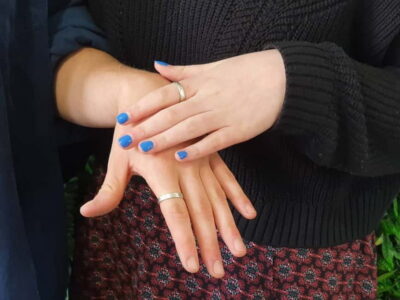
Forge a Silver Ring Workshop on Drury Street
Our verdict on it →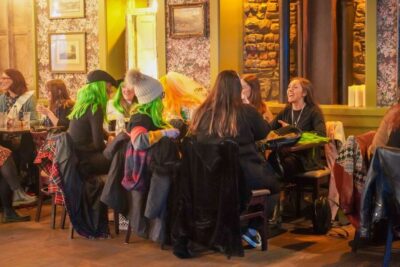

Roe and Co Distillery Cocktail Workshop Experience
Our verdict on it →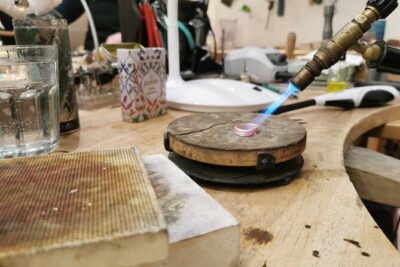
Dublin Jewellery Forge a Hammered Silver Ring: Drury Street
Our verdict on it →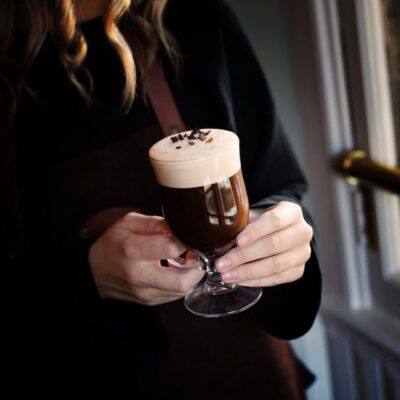
Irish Coffee Masterclass at the Irish Whiskey Museum
Our verdict on it →
Experience Irish Coffee Masterclass in Ireland
Our verdict on it →
Irish Craic & Cuisine: Cooking Class & Dinner in Central Dublin
Our verdict on it →Browse the lists this tour appears in