

Reviewed · WALKING TOURS
DayTripper Dublin: A Guided City Walking Tour
Dublin’s story comes into focus on foot, from Viking foundations and medieval churches to independence, the Famine, Irish music, and modern city life. This 2.5-hour guided walk connects the main sights in a compact route, making it a smart first activity if you are new to town.
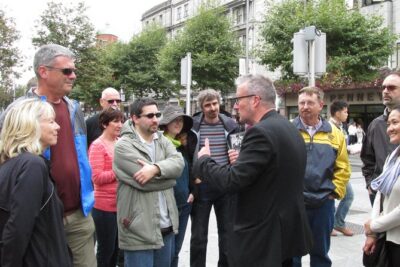
I like the central start at St Stephen’s Green and the finish near College Green, where you can continue easily toward Grafton Street or a rail station. I also like the chance to shape the conversation: guides such as Ciarán, Cieran, and Kyron have answered questions on women’s history, local food, Irish culture, and current political issues.
The tradeoff is clear: you see the outside of St Patrick’s Cathedral, Dublin Castle, Christ Church Cathedral, and Trinity College, but admission is not included. The walk also covers a lot of ground, so comfortable shoes and a moderate level of fitness matter.
Key things to know before you book
- A useful first-day orientation: The route links Dublin’s main central sights, helping you decide where to return later.
- Local guides shape the experience: Guides including Ciarán, Cieran, and Kyron are praised for clear explanations, humor, and practical city advice.
- History comes with the street scenery: You move from Viking Dublin to the Famine, independence, Irish music, and twentieth-century politics.
- The main sights are viewed from outside: This is a walking introduction, not an entry ticket to the city’s major interiors.
- A small-group feel is possible: The stated maximum is 25 people, though group size can vary.
- Good value at $27.82: You pay for a long guided orientation, not for museum or cathedral admissions.
Why this walk works best at the start of your Dublin stay
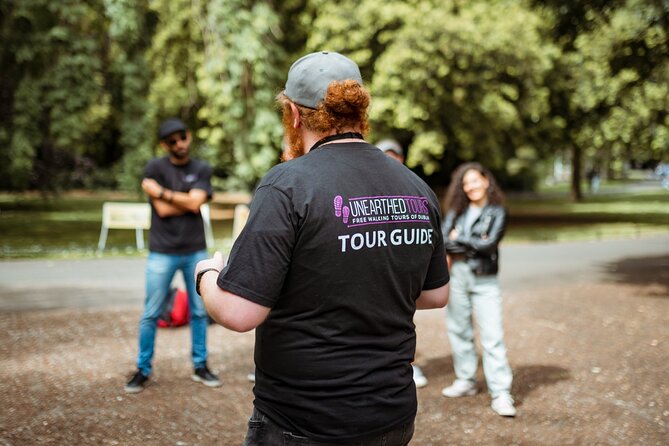
Dublin is easy to walk, but its story is not always easy to read. A church may sit beside a castle, a civic building may carry the marks of political conflict, and a busy shopping street may hide links to older working-class Dublin. This tour gives you a framework before you explore on your own.
The route also covers the city in a useful east and west sweep. You begin near St Stephen’s Green, pass through the central historic district, visit Temple Bar, and finish at College Green near Trinity College and the Central Bank. That means you can use the final stop as a launch point for the rest of your day.
I would book this early in your visit. The guides give suggestions on where to eat, what to see next, and which parts of Dublin deserve more time. Several guides have also helped people plan the remainder of a day in port, which is useful if your schedule is tight.
More Walking Tours in Dublin
- Dublin Highlights and Hidden Gems Guided Walking Tour
★ 5.0 · 6,020 reviews - Dublin: Highlights and Hidden Gems Walking Tour
★ 4.9 · 2,140 reviews - 1916 Rebellion Walking Tour
★ 5.0 · 1,605 reviews
Starting at St Stephen’s Green and Wolfe Tone
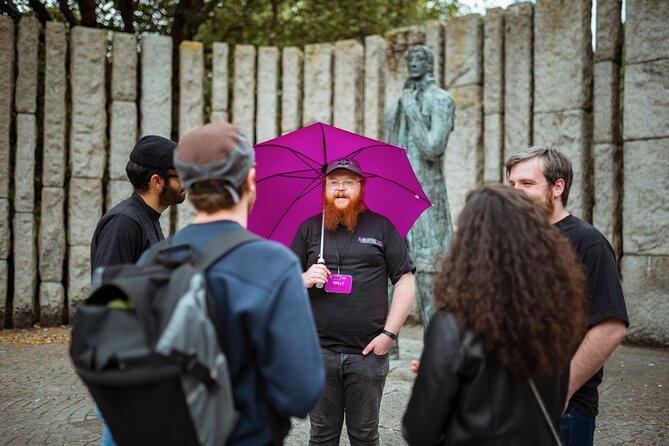
The meeting point is the Wolfe Tone sculpture at St Stephen’s Green. This is a practical central location, close to shops, transport links, and many hotels. It also places you in one of Dublin’s most attractive public spaces before the walking begins in earnest.
St Stephen’s Green is more than a patch of grass in the middle of town. The guide uses the park to introduce Irish history and culture, giving you context for the events and people you will meet later in the walk. Expect about 15 minutes here.
The park is also a comfortable place to begin. You are not immediately dropped into a noisy street or a crowded attraction queue. Instead, you get an early explanation of how Dublin’s public life, political memory, and city center fit together.
Grafton Street, Molly Malone, and Irish city life
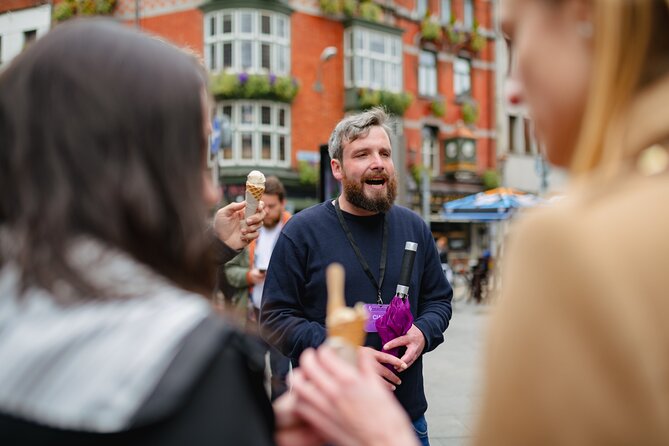
From the park, the walk reaches Grafton Street, one of Dublin’s busiest shopping streets. The stop is brief, around 10 minutes, but it helps you see the contrast between Dublin as a working city and Dublin as a visitor destination.
The guide then introduces Molly Malone and the working-class side of Dublin. This is a small stop, but it gives the tour a human scale. You are not just collecting famous buildings. You are hearing about ordinary work, popular culture, and the characters attached to the city’s public spaces.
There is also time for Irish dance and music during the route. That subject matters because Irish culture is not treated as a museum display here. The guide connects it to living traditions and to the city you are walking through now.
St Patrick’s Cathedral and the origins of Dublin
At St Patrick’s Cathedral, the group meets in the gardens and hears about the origins of Dublin. You do not enter the cathedral, and admission is not part of the price.
That limitation is worth noting before you book. If you want to see the interior, you will need to return separately and arrange admission on your own. The benefit of the outdoor stop is that the tour keeps moving and gives you time for several other parts of the city.
The cathedral stop also helps set up the older history of Dublin. Rather than spending an hour inside one building, you get a short explanation before moving on to the castle district and the Viking story connected with the Dubh Linn gardens.
Same part of the country, a completely different day out:
- Dublin: Guinness Storehouse Entry Ticket
★ 4.6 · 16,863 reviews - Irish Rock ‘N’ Roll Museum Experience Dublin
★ 5.0 · 6,112 reviews - Dublin: Jameson Whiskey Distillery Tour with Tastings
★ 4.7 · 4,859 reviews - Dublin Jameson Distillery Bow St. Tour and Tasting 45 mins
★ 5.0 · 4,690 reviews
Dubh Linn Gardens and Dublin Castle
The Dubh Linn Gardens are a quiet pause near the castle complex. The guide explains the importance of the site and its connection to Viking Dublin. The name itself points to the city’s early roots, and the gardens offer a visual break from the surrounding streets.
At Dublin Castle, the walk continues through the courtyards, but not inside the state rooms. The guide discusses the history of Northern Ireland and the political struggles that shaped the island. This is one of the more serious parts of the walk, and it gives needed context to later stops connected with Irish independence and twentieth-century politics.
Again, the main question is what you want from a walking tour. If you need full access to Dublin Castle, this is not a substitute for a separate castle visit. If you want a clear introduction before deciding which interiors deserve your time, the courtyard stop is useful.
Christ Church Cathedral and Viking Dublin
The Christ Church stop takes place in the cathedral courtyard. You see the outside architecture and hear about the cathedral’s founding and its Viking links, but you do not enter.
This is a good example of the tour’s method. You get several landmarks in one outing, but each receives a short explanation rather than a long guided visit. The roughly 10-minute stop gives you enough to recognize the building and understand why it matters. You will need more time on your own if architecture or religious history is a main interest.
The route between the castle and Christ Church also helps you understand how compact central Dublin is. Major sites are close together, yet each points to a different period of the city’s past.
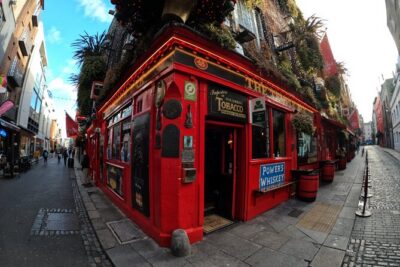
A quick walk through Temple Bar
Temple Bar gets about five minutes, so keep your expectations sensible. This is an introduction to the neighborhood, not a pub crawl or an evening entertainment tour.
The guide takes you through the area and helps place it within the wider center. You can return later if you want to eat, listen to music, or inspect the streets at a slower pace. The short stop is actually helpful for first-time visitors because it lets you see the district without giving up too much time elsewhere.
I would not choose this tour mainly for Temple Bar. Its value comes from the full route, and this neighborhood is only one small piece of it.
O’Connell Street and the politics of modern Ireland
The walk then heads toward O’Connell Street, where the guide discusses Ireland’s political story through statues and public monuments. This section focuses on the twentieth century and the people remembered along the street.
O’Connell Street works well as an outdoor classroom. Instead of treating political history as a list of dates, the guide uses the statues and buildings around you as reference points. The result should help you understand why public memory matters so much in Dublin.
The subject can be complex, especially when the conversation reaches independence, Northern Ireland, and the continuing effects of past conflicts. The guides are praised for explaining several centuries in a clear, easy-to-follow way. You can also ask questions as you walk, which is valuable when a topic needs more explanation.
Trinity College, the Famine, and the finish at College Green
The final part of the route takes you outside Trinity College and the Central Bank of Ireland. Here the guide discusses the Great Irish Hunger, also called the Famine, along with Trinity’s history.
You do not enter Trinity College, and the famous library is not part of this activity. That is another important distinction for booking. The stop is about the institution, the surrounding setting, and the Famine story rather than an interior tour.
The tour ends at College Green. From there, Grafton Street is about two minutes away, and Tara or Pearse Station is around a 15-minute walk. This makes the finish practical. You can continue shopping, find lunch, reach a train, or head to another central sight without crossing the city again.
What the guides add to the walk
The strongest part of this experience is the guide-led conversation. Names appearing in the feedback include Kyron, Keiron, Ciarán, and Cieran, with different spellings used. The important point is that the company uses local guides who bring personal knowledge of Dublin to the route.
You may get a guide who focuses on political history, Irish music, women’s history, food, or small details along the street. One guide adapted the walk around a request for women’s history. That flexibility can make the difference between a standard sightseeing route and a discussion that fits your interests.
The guides are also expected to offer practical suggestions at the end. You can ask where to eat, what to visit next, and which parts of Dublin are worth your time. One particularly useful feature is the chance to ask about local spots and small details you might otherwise miss.
Because the maximum group size is 25, the experience is not guaranteed to be private or intimate. Still, it is smaller and more personal than a large coach tour. If you are lucky, a low turnout may lead to a near-private walk, but you should not book on that assumption.
Price, pace, and physical demands
At $27.82 per person, the tour offers solid value if you want an orientation rather than admission to several attractions. You are paying for an English-speaking guide, a planned route, and roughly two and a half hours of explanation and sightseeing. Lunch, cathedral entry, castle entry, and Trinity College entry are not included.
The timing needs a small note of caution. The advertised duration is approximately 2 hours 30 minutes, while one route description refers to a three-hour history-packed walk. Plan for around two and a half to three hours, especially if the group stops for questions.
You should expect steady walking through central Dublin. The stated fitness requirement is moderate, and comfortable shoes are sensible. The route is near public transport, and service animals are allowed.
The tour operates in English and provides a mobile ticket. Confirmation is sent when you book, and cancellation is free up to 24 hours before the start time. If you cancel later, the amount paid is not refunded.
Who should book this Dublin walk?
I would choose this tour if you are visiting Dublin for the first time, want the main central sights explained in one outing, or prefer history told outdoors rather than inside a museum. It also suits people who like to ask questions and adjust the conversation to their interests.
It is especially useful for a short stay or a day in port. The route covers enough ground to give you a sense of the city, and the finish near College Green leaves you well placed for the next activity.
You may want something else if your main goal is to enter Dublin’s cathedrals, explore Dublin Castle’s interiors, or visit Trinity’s library. In that case, treat this walk as an introduction, then buy separate admission where needed.
Should you book DayTripper Dublin?
Book it if you want a clear first look at Dublin, strong historical context, and direct advice from a local guide. The route is broad, the price is reasonable, and the central start and finish make it easy to fit into a busy day.
Skip it if you dislike walking, want lengthy visits inside major attractions, or prefer to explore without a fixed pace. For most first-time visitors, though, this is a useful way to get oriented before spending the rest of your trip on your own.
FAQ
How long is the DayTripper Dublin walking tour?
The advertised duration is approximately 2 hours 30 minutes. Some tour details describe a history-packed walk lasting about three hours, so allow roughly two and a half to three hours.
Where does the tour start?
The tour starts at the Wolfe Tone sculpture at St Stephen’s Green in Dublin.
Where does the tour finish?
It finishes at College Green. Grafton Street is about a two-minute walk away, and Tara or Pearse Station is around a 15-minute walk.
Is the tour offered in English?
Yes. The tour is offered in English.
Does the price include admission to St Patrick’s Cathedral?
No. The group visits the gardens outside St Patrick’s Cathedral, but does not enter. Admission is not included.
Does the tour enter Dublin Castle?
No. The guide takes the group into the courtyards, but Dublin Castle entry is not included.
Does the tour enter Christ Church Cathedral?
No. The group visits the courtyard and views the outside architecture. Entry is not included.
Does the tour enter Trinity College?
No. The guide stops outside Trinity College and discusses its history and the Famine. Entry is not included.
Is lunch included?
No. Lunch is not included in the tour price.
What is the maximum group size?
The tour has a maximum of 25 people.
Can I cancel for a full refund?
Yes, if you cancel at least 24 hours before the experience begins. Cancellations made less than 24 hours before the start time are not refunded.
Just added around Dublin
- Women Of Ireland: Trailblazers & Pioneers★ 5.0 · 4 reviews
- Whiskey Tasting Tour of Dublin★ 5.0 · 117 reviews
- Premium Irish Whiskey Tasting Hosted by Local Dublin Expert★ 5.0 · 77 reviews
- Historical Walking Tour of Dublin★ 5.0 · 50 reviews
- Dublin (Dun Laoghaire) Top-Rated Coastal Walking Tour★ 5.0 · 80 reviews
- Semi-Private (8people max) 2.5 Hr Dublin Walking Tour★ 5.0 · 69 reviews
- Private Ultimate Day in Dublin (Walking Tour)★ 5.0 · 30 reviews
- Guinness Storehouse, Irish Whiskey Experience and Brazen Head★ 4.5 · 42 reviews
Walking Tours, compared.
Dublin Highlights and Hidden Gems Guided Walking Tour
Our verdict on it →

90 Minute Dublin Walking tour and Sightseeing tips
Our verdict on it →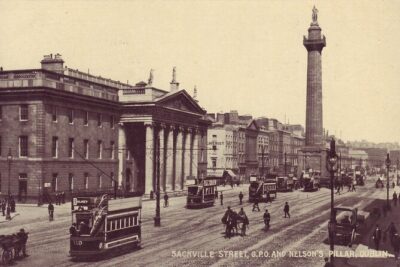

Dublin Traditional Irish 3 Course Meal Walking Tour with Local
Our verdict on it →
Browse the lists this tour appears in