
Reviewed · IRISH FOLKLORE AND STORYTELLING TOURS
Dublin: Mythology, Folklore and Legends Walking Tour
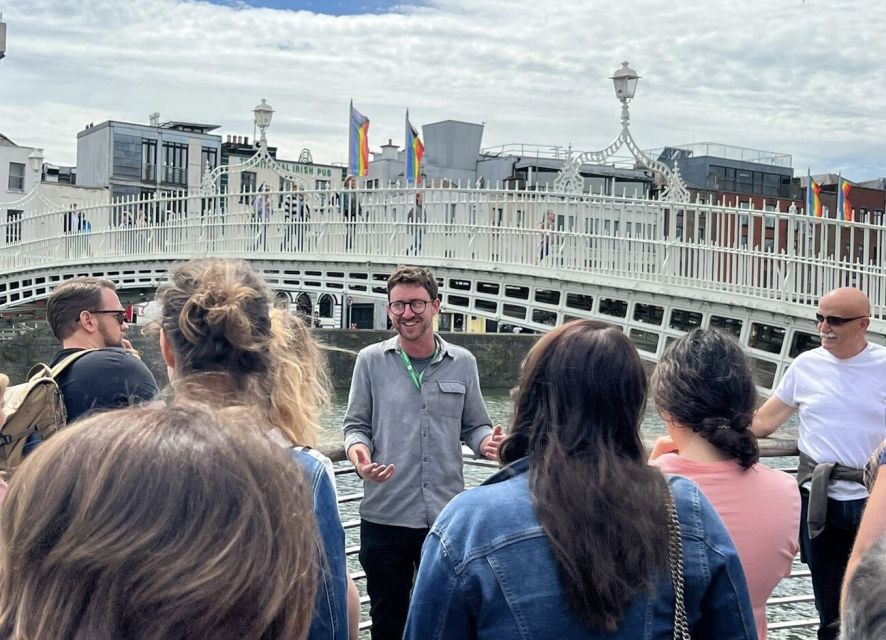
Dublin’s streets carry more than grand buildings and pub signs. This tour brings out the old stories hiding behind familiar places, from Celtic creation tales and ancient warriors to banshees, púcas, leprechauns, rebellions, and grave robbing. The best part is the change in viewpoint: Temple Bar and O’Connell Street become stages for folklore rather than simple photo stops.
I like the way the tour connects old beliefs with modern Irish identity, especially the revival of the Gaelic language and culture. I also like that it leaves the standard sightseeing path for lesser-known corners of the Georgian Quarter and the tragic story tied to the Abbey Theatre. The main consideration is that the tour is in English, and its appeal depends heavily on enjoying spoken storytelling rather than seeing major interiors.
Key points at a glance
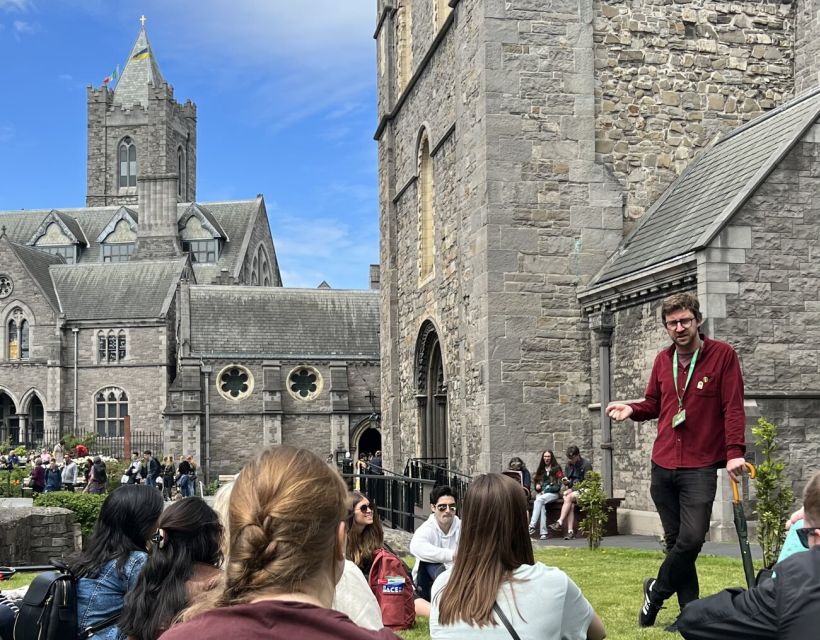
- Celtic stories in Temple Bar: Begin with Ireland’s mythical origins and the beliefs that shaped Gaelic culture.
- Banshees, púcas, and leprechauns: Learn what these famous creatures mean in Irish folklore rather than treating them as simple tourist symbols.
- A darker Georgian Quarter: Hear about rebellions, grave robbing, revolutions, and the uneasy side of Dublin’s elegant streets.
- The Abbey Theatre’s tragic past: Add a less expected piece of cultural history to your city walk.
- Storytelling guides with personality: Helena, Emily, Dave, and Lee have all led tours, with humor and strong delivery frequently central to the experience.
- A gentle two-hour route: Several seated or longer stops help keep the pace manageable, and the tour is listed as wheelchair accessible.
Why Dublin’s myths make a useful first walk
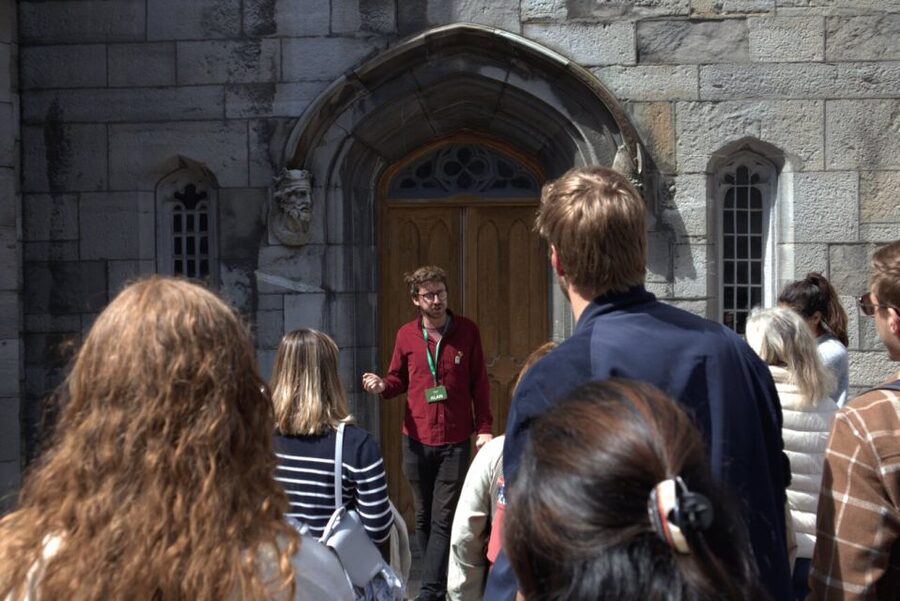
Many Dublin tours begin with dates, buildings, and political events. This one begins with the stories people used to explain the world. That makes it a useful introduction to Ireland, especially if you already know the broad outline of Irish history but want to understand the beliefs and oral traditions behind it.
You meet outside The Old Storehouse pub in Temple Bar, under the green umbrella. From there, the guide sets up Ireland’s mythical origins and explains how Celtic traditions viewed the world. You are not simply handed a list of fairy creatures. The stories show how folklore helped people make sense of danger, death, nature, luck, and the unknown.
I find that approach more rewarding than a quick parade of famous names. The banshee, for instance, is not just a spooky figure for a souvenir shop. The púca is not merely a cartoon creature. The guide places these beings within Irish storytelling, giving you a better idea of why they still appear in conversation, literature, and popular culture.
The opening in Temple Bar also works well for visitors who have already seen the district as Dublin’s nightlife center. You get another angle on a place that can otherwise feel heavily packaged for tourists. The tour does not ignore the familiar sights, but it asks you to look at them through older beliefs and local stories.
More Storytelling Tours in Dublin
- Dublin Mythology and Folklore Tour with Irish Stories and Legends
★ 5.0 · 1,003 reviews - Storytelling of Irish Myths and Legends
★ 5.0 · 158 reviews - Howth Hiking Trail from Dublin: Mythology and Legend
★ 5.0 · 77 reviews
Temple Bar and the mythical beginnings of Ireland
The Temple Bar section focuses on Celtic culture, Ireland’s mythical beginnings, and the place of storytelling in Gaelic life. This is the point where the tour establishes its main idea: stories are not a side decoration to Irish culture. They have helped shape how the country sees itself.
You can expect a spoken presentation rather than a museum-style lesson. The guide tells the tales, explains their meaning, and leaves room for questions. Helena is often praised for her enthusiasm, humor, and clear storytelling, while Emily is noted for making complicated material easy to follow. Dave and Lee also bring a lighter touch, which helps keep the subject from becoming too solemn.
That personality matters. Folklore can become a dry list of names and creatures if the guide simply recites information. Here, the better guides use timing, jokes, and dramatic delivery to make the stories stick. You may remember the feeling of a tale before you remember every detail, and that is part of the point.
This opening section suits families and mixed-age groups particularly well. One guide, Dave, was able to keep children interested while also answering questions about Dublin more broadly. The material is unusual enough for adults, but the creatures and dramatic stories give younger listeners something to hold on to.
Fairies, banshees, púcas, and ancient warriors
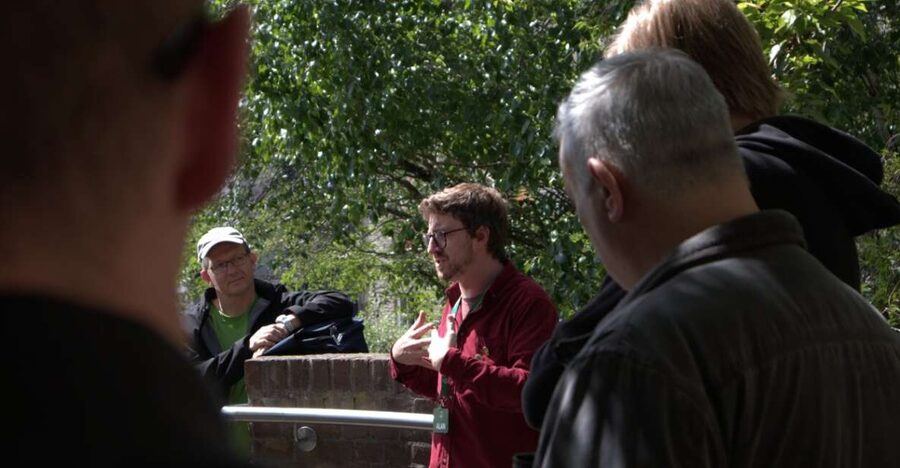
The tour then moves through the central folklore characters most visitors associate with Ireland. You hear about fairies, banshees, púcas, and leprechauns, along with the country’s ancient warriors.
The useful distinction here is that Irish folklore is not presented as a single collection of cute fantasy figures. Fairies can be unsettling. The banshee connects folklore with death and mourning. The púca is more unpredictable than the cheerful leprechaun image commonly sold abroad. Ancient warriors bring another layer, linking heroic tales with ideas of courage, loyalty, and national identity.
I like this part because it corrects the simplified version of Irish mythology without turning the tour into a university lecture. You get enough context to see how popular symbols have been softened or repackaged, while the guide keeps the stories easy to follow on a city street.
The route is broken up by several longer stops. That matters after a day of walking around Dublin. You are not marching continuously while trying to listen over traffic and crowds. The pauses allow the guide to tell a complete story and give you time to ask questions.
Still, this remains a walking tour, and city conditions can change from one departure to another. Wear comfortable shoes, keep an eye on the guide, and expect an outdoor experience rather than a quiet indoor talk. Dublin weather can also affect your comfort, so a rain jacket is sensible.
The Georgian Quarter’s darker side
One of the tour’s strongest changes of mood comes in the Georgian Quarter. The elegant streets and formal architecture offer a backdrop for stories about rebellion, revolution, and grave robbing. This is the kind of material many standard city walks pass over.
The contrast gives the area more character. You see the polished Georgian setting, then hear about the fears and crimes connected with life in earlier Dublin. The point is not simply to shock you. These stories show how the city’s beautiful public face existed alongside poverty, violence, political conflict, and uneasy attitudes toward death.
The grave-robbing material adds a macabre edge, while the rebellion and revolution stories connect folklore to real historical pressure. The tour is strongest when it keeps those strands together. Ireland’s myths did not exist in isolation from politics and community life. Stories could carry memory, warn people, express grief, or help preserve a sense of identity during periods of change.
This section also gives you the off-route experience promised by the tour. You still see well-known parts of central Dublin, but the focus is not limited to the obvious postcard view. If you have already taken a conventional highlights tour, this provides a useful second layer.
More Walking Tours in Dublin
- Dublin Highlights and Hidden Gems Guided Walking Tour
★ 5.0 · 6,020 reviews - Dublin: Highlights and Hidden Gems Walking Tour
★ 4.9 · 2,140 reviews - 1916 Rebellion Walking Tour
★ 5.0 · 1,605 reviews - 90 Minute Dublin Walking tour and Sightseeing tips
★ 5.0 · 916 reviews
The Abbey Theatre and stories of cultural loss
The Abbey Theatre brings the tour into the cultural world of drama, performance, and national identity. You learn about its tragic history, adding a serious note after the more playful stories of supernatural creatures.
The Abbey is a fitting subject because the tour itself depends on performance. Irish storytelling has always needed a voice, an audience, and a place where shared memory can be kept alive. The theatre represents that tradition in a modern cultural setting, while the guide shows how art and national identity can become closely linked.
This stop may appeal most to visitors who enjoy literature, theatre, or the way cities remember difficult events. It is also a reminder that the tour is not only about monsters and magical beings. Its subject is storytelling in a broad sense, from oral tradition to public culture.
The presentation can feel more solemn here, but that variation improves the two-hour experience. A tour made entirely of jokes and ghost stories would become thin. Moving between humor, mythology, social history, and tragedy gives the route a better rhythm.
O’Connell Street and the Gaelic revival
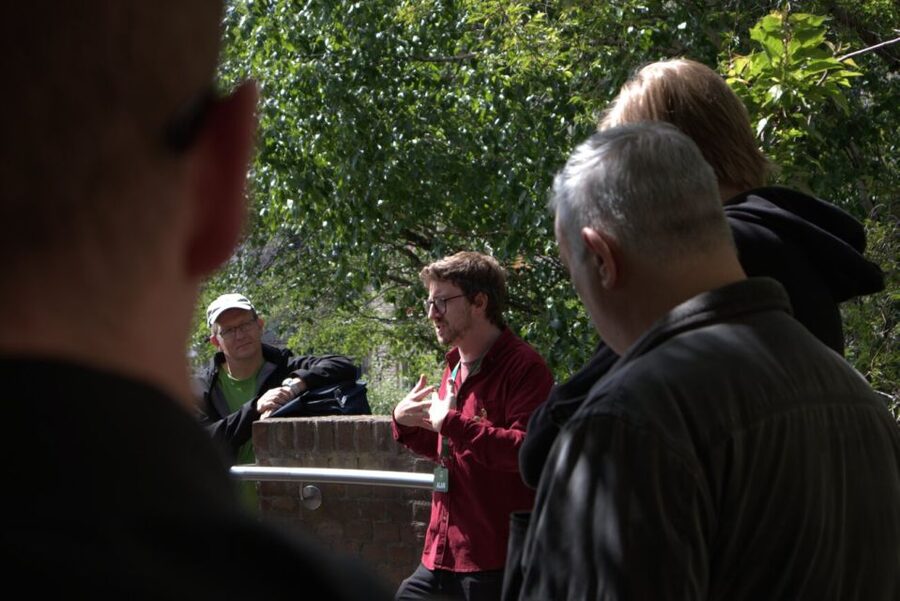
The tour finishes on O’Connell Street with an introduction to the revival of the Gaelic language and culture. This ending brings the discussion from ancient stories into modern Ireland.
That final shift is important. Folklore is not treated as something locked in the past. The guide explains how language, cultural memory, and national identity remain connected. You finish with a better sense of why stories still matter in Dublin, not simply what people believed centuries ago.
The closing section may also introduce you to contemporary street characters. That detail gives the end a local, present-day feel. Instead of ending with a single grand monument, the tour connects old storytelling habits with the people and personalities you encounter in the city now.
Emily has also linked folklore to modern community subjects, including Gay Pride and HIV awareness. That helps show how public stories can change over time and how communities use symbols, remembrance, and shared accounts to express who they are.
O’Connell Street is a sensible finish because it leaves you near one of Dublin’s best-known central routes. The activity then returns to the original meeting point, so you do not need to arrange transport back to Temple Bar.
The guides make or break the experience
This is a storytelling tour, so the guide matters more here than on a walk focused mainly on architecture. The named guides include Helena, Emily, Dave, and Lee. The strongest feedback centers on warmth, humor, enthusiasm, and the ability to hold attention while explaining complex material.
Helena is repeatedly described as energetic, funny, and passionate about folklore. Emily is praised for her storytelling and for connecting older material with modern Dublin. Dave brings humor and practical city advice, while Lee has been noted for creating a relaxed atmosphere and keeping the pace comfortable.
That does not mean every departure will feel identical. A particular guide’s style can change the balance between jokes, historical context, and mythic storytelling. The useful expectation is that you are booking a live guide-led performance, not a fixed audio script.
The guides also provide Dublin suggestions after the formal tour. Dave, in particular, has offered ideas for places to visit that are easier on the budget. If this is your first afternoon in the city, that extra local advice can add value beyond the two-hour route.
Is $27 a fair price?
At $27 per person, this is reasonably priced for a two-hour guided walk in central Dublin. You are paying for a live English-speaking guide, not admission to a major attraction, transport, or a meal. The value rests in the interpretation and the route.
I think the price works best if you want something beyond the standard city introduction. A conventional sightseeing tour may cover more major landmarks. This one gives you a specialized subject, a different route through familiar areas, and stories you are unlikely to get from simply walking between attractions.
The tour is especially good value at the start of a Dublin visit. The folklore gives you a framework for understanding later sights, and the guides may offer useful suggestions for the rest of your stay. It also works well as a change of pace after museums or formal historical tours.
The price is less compelling if you want extensive access to buildings or a detailed political history lecture. The tour is outdoors, guided by storytelling, and built around atmosphere and interpretation. Know what you are buying, and the cost is fair.
Who should book this Dublin walk?
I would recommend it to first-time visitors who want a memorable way to get oriented, as well as repeat visitors looking for a less familiar side of the city. It suits anyone curious about Celtic beliefs, oral tradition, Irish identity, theatre, or the darker stories behind attractive streets.
Families can also enjoy it, especially if children respond well to monsters, warriors, and dramatic tales. Several longer stops keep the walk from feeling like a nonstop trek, and the experience is listed as wheelchair accessible. You should still confirm that the route suits your specific mobility needs when booking, since the activity takes place on city streets.
This is not the ideal choice if you dislike folklore, prefer silent sightseeing, or want a tour built around entering major attractions. It is also conducted in English, so you need enough English to follow fast spoken stories and jokes.
Book it early in your Dublin stay if you can. The tour gives you cultural context, a few less obvious locations, and practical ideas for exploring afterward. If your schedule is tight, its two-hour length makes it easier to fit between other plans.
Should you book the Mythology, Folklore and Legends Walking Tour?
Yes, if you want Dublin to feel like a city of stories rather than a checklist of sights. The strongest reasons are the lively guides, the mix of old myths with modern Irish identity, and the route through Temple Bar, the Georgian Quarter, the Abbey Theatre area, and O’Connell Street.
I would skip it only if you want interiors, transport, or a conventional history tour. For $27, you get a focused two-hour experience with a clear theme and plenty of personality. Bring comfortable shoes, dress for rain, and arrive at The Old Storehouse looking for the green umbrella.
FAQ
Where does the tour start?
The tour starts outside The Old Storehouse pub in Temple Bar. Look for the green umbrella.
Where does the tour end?
The tour ends back at the original meeting point.
How long is the walking tour?
The tour lasts two hours.
What language is the tour conducted in?
The live tour is conducted in English.
Is the tour wheelchair accessible?
Yes, the activity is listed as wheelchair accessible.
Does the price include hotel pickup and drop-off?
No. Hotel pickup and drop-off are not included.
What creatures and characters will I learn about?
The tour covers fairies, banshees, púcas, leprechauns, and ancient Irish warriors.
Can I cancel the booking for a refund?
Yes. You can cancel up to 24 hours in advance for a full refund. You can also reserve now and pay later.
Just added around Dublin
- Women Of Ireland: Trailblazers & Pioneers★ 5.0 · 4 reviews
- Whiskey Tasting Tour of Dublin★ 5.0 · 117 reviews
- Premium Irish Whiskey Tasting Hosted by Local Dublin Expert★ 5.0 · 77 reviews
- Historical Walking Tour of Dublin★ 5.0 · 50 reviews
- Semi-Private (8people max) 2.5 Hr Dublin Walking Tour★ 5.0 · 69 reviews
- Dublin (Dun Laoghaire) Top-Rated Coastal Walking Tour★ 5.0 · 80 reviews
- Private Ultimate Day in Dublin (Walking Tour)★ 5.0 · 30 reviews
- DayTripper Dublin: A Guided City Walking Tour★ 5.0 · 90 reviews
Irish Folklore and Storytelling Tours, compared.
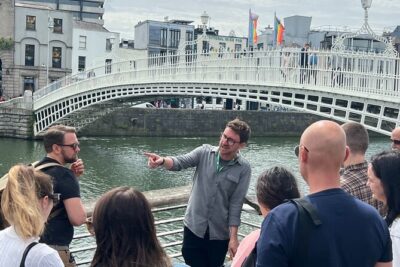
Dublin Mythology and Folklore Tour with Irish Stories and Legends
Our verdict on it →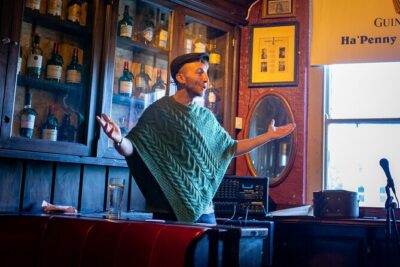
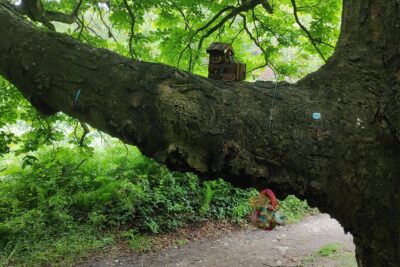
Howth Hiking Trail from Dublin: Mythology and Legend
Our verdict on it →
Forks, Focail and Folklore – Storytelling Tour via eBike
Our verdict on it →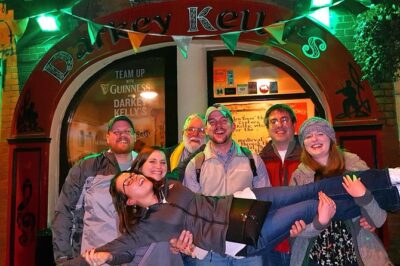
Private Dublin Pub Odyssey: Storytelling, and Pub Culture
Our verdict on it →

Bioluminescent Swim Experience in West Cork with Storytelling
Our verdict on it →
Legends, Ghosts and Ghouls Walking Tour Dublin
Our verdict on it →Browse the lists this tour appears in