
Reviewed · MUSEUMS
Dublin: Treasures of Ireland Museums Private Tour
Dublin’s best museum stories fit together here: paintings explain conquest and civil war, the National Library brings W.B. Yeats into focus, and the Archaeology Museum displays the Tara Brooch and Ardagh Chalice. I like the carefully limited highlights, which keep three major institutions manageable in three hours, and the way the guide turns separate objects into one story of Ireland. The main consideration is pace: 40 minutes at each stop gives you an introduction, not time to see every room.
I also like that this is a private group of up to five, so you can stay focused on the subjects that interest you. Guides John and Augustine are specifically associated with strong, productive visits, but the tour is in English only and does not include hotel pickup, food, or drinks.
Key points at a glance
- Three major institutions in three hours: Visit the National Gallery, National Library, and National Museum of Ireland, Archaeology.
- A guide keeps the highlights clear: John helped make the museum visits both productive and fun, while Augustine is also available as a guide.
- Art and history connect: Look at symbolic paintings tied to the Norman Conquest and Irish Civil War.
- Yeats gets a place in the story: The National Library adds literary context to the tour.
- Ireland’s Golden Age comes alive: See the Tara Brooch and Ardagh Chalice, dating from 500 to 800 AD.
- Private and accessible: The experience is for your group alone, accommodates up to five people, and is wheelchair accessible.
Why three museums work better with a guide
Dublin’s central cultural institutions are close enough to combine, but their collections cover very different ground. The National Gallery tells stories through paintings, the National Library focuses on literary and documentary culture, and the National Museum of Ireland, Archaeology presents physical objects from Ireland’s past.
That range is the tour’s main strength. You are not spending three hours in one collection and hoping the larger story takes shape on its own. Instead, the guide uses each place as a different piece of the same account of Ireland. A painting may introduce a political turning point, a literary figure may give that period a human voice, and an archaeological object may show what earlier Irish craftsmanship looked like.
I find this useful because museums can overwhelm you with names, dates, and rooms. A private guide can point out what deserves your attention and explain why it matters. One of the tour’s strongest practical benefits is simple: you do not have to search through three large institutions for the important objects on your own.
The tradeoff is clear. This is a highlights tour, not a slow museum study. You will get roughly 40 minutes in each institution, with a break halfway through. If you want to read every label or spend an hour with one painting, you will need a separate museum visit.
More Museums in Dublin
- Irish Rock ‘N’ Roll Museum Experience Dublin
★ 5.0 · 6,112 reviews - The Little Museum of Dublin Famous Guided Tour
★ 5.0 · 2,948 reviews - Dublin EPIC Museum Admission Ticket
★ 4.5 · 1,729 reviews
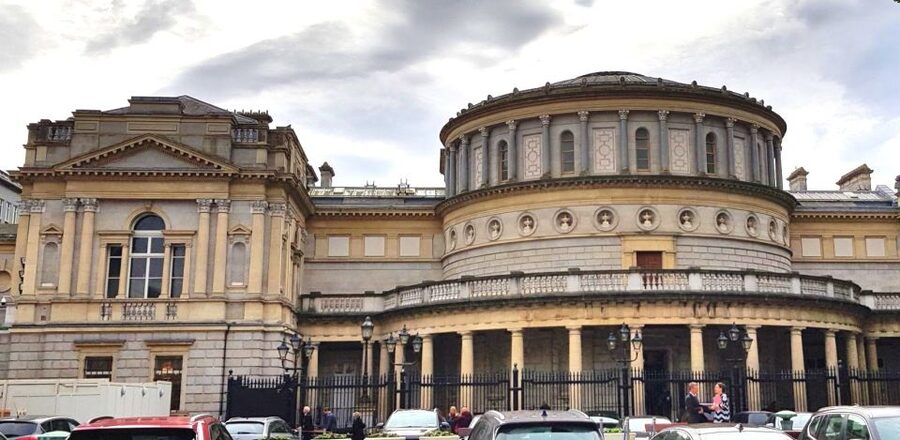
Starting at the National Gallery on Merrion Square
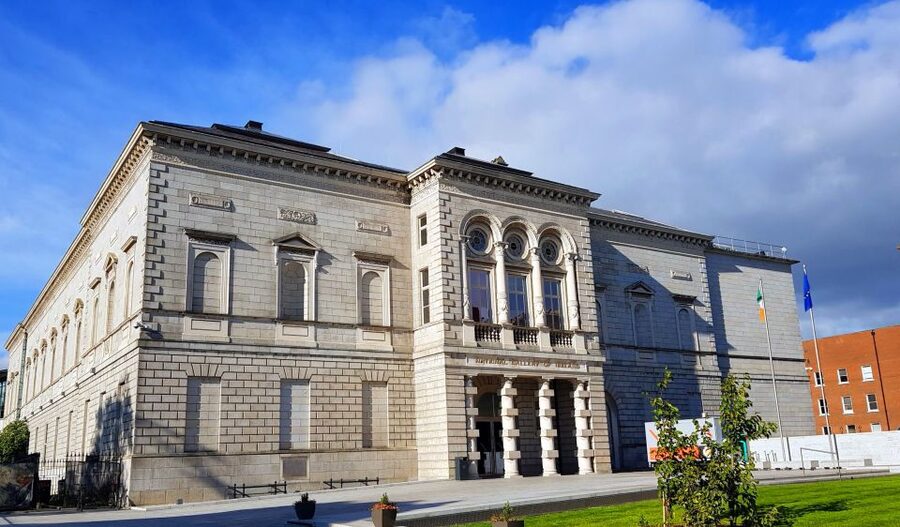
The tour begins outside the National Gallery of Ireland on Merrion Square West. This is a useful meeting point because the first visit starts immediately, with no hotel transfer or long walk built into the activity.
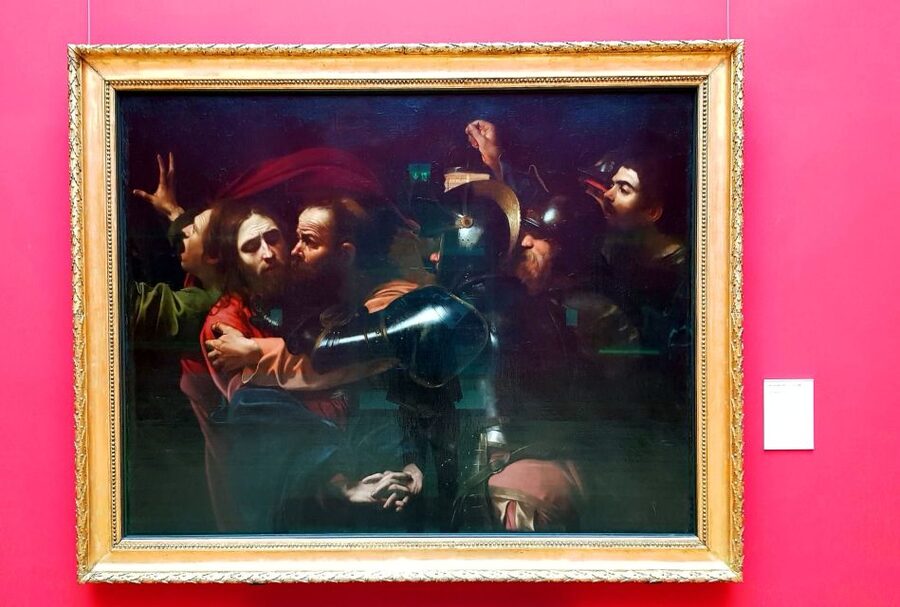
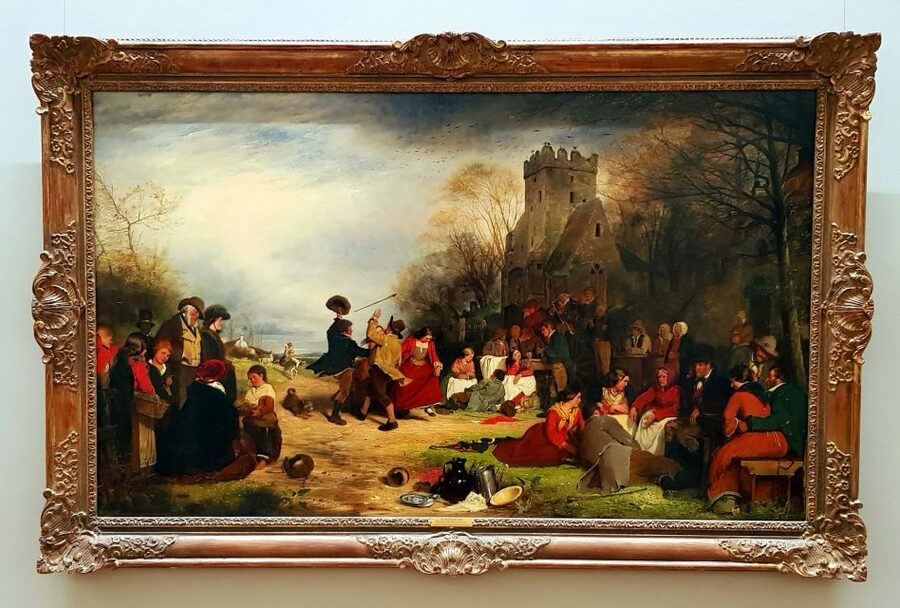
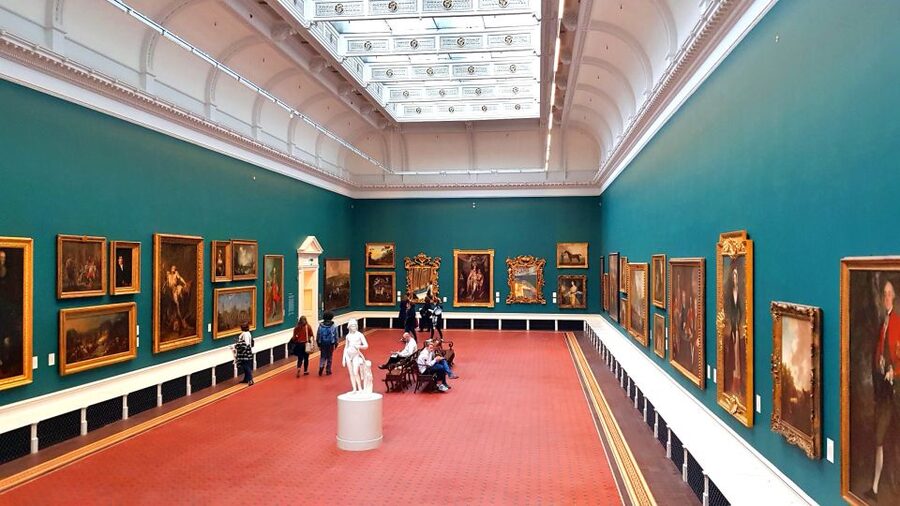
Inside, expect the guide to focus on selected works rather than lead you through every gallery. The goal is to show how art reflects major moments in Irish culture and politics. The supplied details point to symbolic paintings connected with the Norman Conquest of Ireland and the Irish Civil War, giving this stop a serious historical purpose beyond looking at attractive pictures.
I like that approach. A painting can do more than show a person or scene. It can reveal how later generations understood conquest, conflict, identity, and national memory. Your guide’s job is to provide the missing links, helping you see what the image suggests and where it fits in Ireland’s story.
The National Gallery portion lasts about 40 minutes. That is enough for a focused introduction, especially in a private group where the guide can keep the discussion moving. It is not enough for a broad survey of the entire collection, so arrive knowing that the tour will choose a few meaningful examples rather than cover everything.
For art lovers, this may be the most interpretive part of the experience. For visitors who usually feel uncertain in museums, it may be the most helpful. You are not expected to know Irish history before arriving. The guide uses the paintings as an entry point.
The National Library and the world of W.B. Yeats
The second stop is the National Library of Ireland, where you spend another 40 minutes. This changes the tone of the tour. After paintings and political symbolism, the focus shifts toward literature, ideas, and the life and work of W.B. Yeats.
Yeats is presented as Ireland’s greatest poet, and the visit uses his life and writing to add a personal and literary dimension to the country’s history. The library stop is not simply a change of building. It shows how Ireland’s identity has been expressed through words as well as images and objects.
I appreciate this middle section because it prevents the tour from becoming a parade of old things. A good museum visit needs different kinds of evidence. Paintings can show how events were imagined, while literature can show how people described their own society, conflicts, and hopes.
The National Library is also a natural place for a pause in the schedule. The tour includes a break halfway through, which gives you a chance to reset before the final museum. Since food and drinks are not included, plan to handle those yourself rather than expecting a café stop as part of the experience.
The 40-minute limit again keeps the material focused. If Yeats is a major interest, you may want to return later for a longer visit. During the tour, you should expect a selected introduction rather than a full literary biography.
The Archaeology Museum and Ireland’s Golden Age
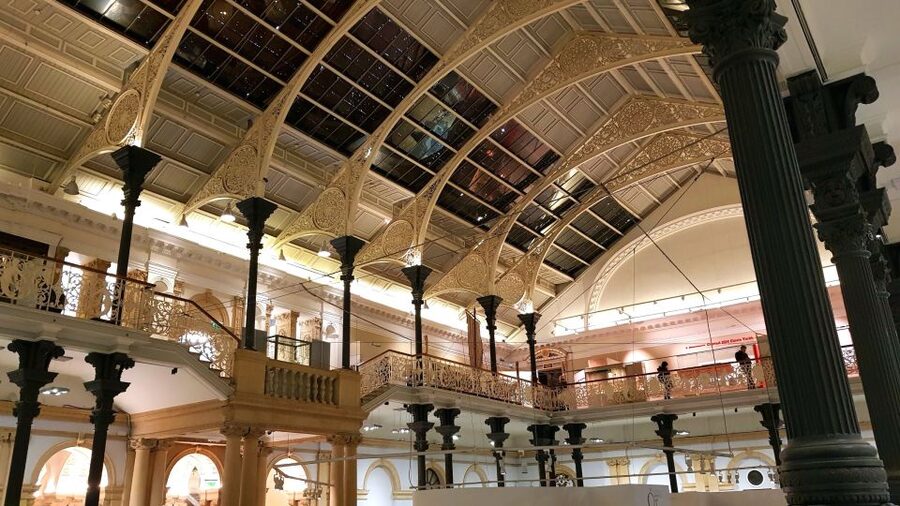
The final museum is the National Museum of Ireland, Archaeology. The experience ends here, rather than returning you to the gallery, and the official endpoint is back at the meeting point area after the museum visit.
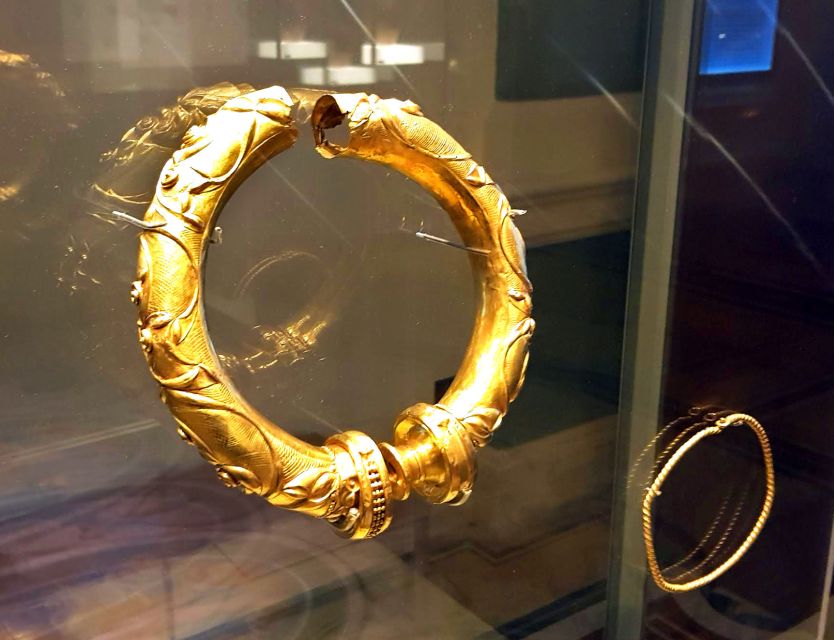
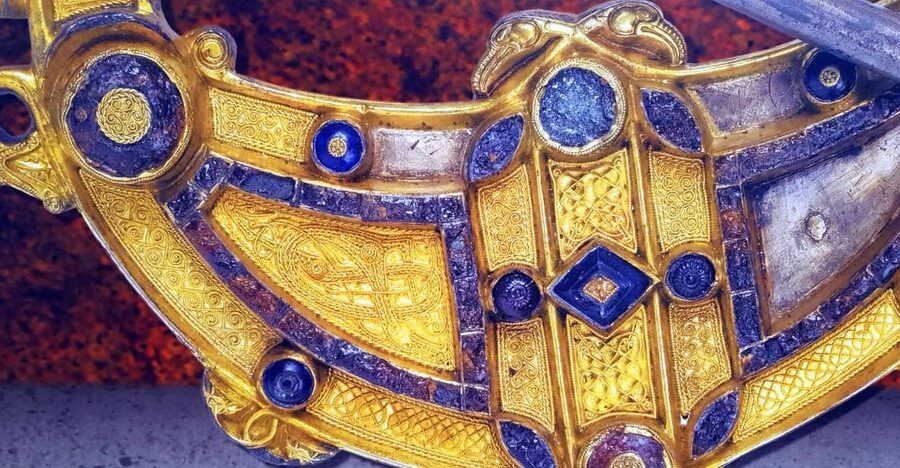
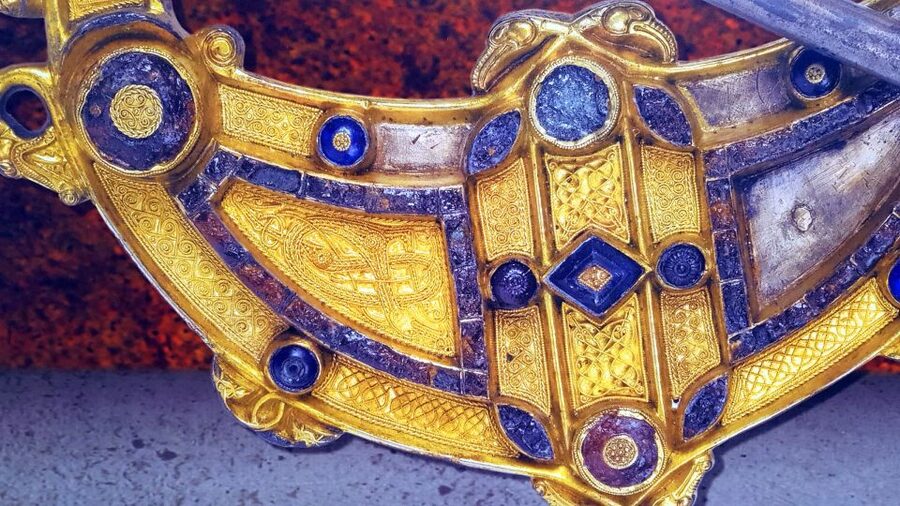
This is where the tour reaches some of its most famous objects: the Tara Brooch and the Ardagh Chalice. Both are presented as treasures of Ireland’s Golden Age, dated here to 500 to 800 AD. Their importance is not only visual. They offer a way to discuss craftsmanship, belief, status, and the skills of early Irish metalworkers.
I like having this museum last because the objects can gather together the themes introduced earlier. You have looked at conquest and civil war through art, considered Yeats and literary culture, and now see earlier material evidence of Irish achievement.
The guide’s explanations matter especially here. Archaeological objects can be beautiful but hard to place in time. Without context, a brooch or chalice can remain an isolated display case. With a clear explanation, it becomes evidence in a much older story.
Forty minutes will let you see the principal highlights, but it will not cover the full museum. If you are fascinated by early Ireland, this may be the stop that leaves you wanting more time. That is a good reason to note the museum’s location and return independently if your schedule allows.
Same part of the country, a completely different day out:
- Dublin: Guinness Storehouse Entry Ticket
★ 4.6 · 16,863 reviews - Dublin Highlights and Hidden Gems Guided Walking Tour
★ 5.0 · 6,020 reviews - Dublin: Jameson Whiskey Distillery Tour with Tastings
★ 4.7 · 4,859 reviews - Dublin Jameson Distillery Bow St. Tour and Tasting 45 mins
★ 5.0 · 4,690 reviews
How the guide shapes the experience
This tour succeeds or fails largely on the guide’s ability to connect the stops. The advertised service is a private Irish guide, with English as the tour language. John and Augustine are named guides connected with the experience.
John made the museum visit productive and fun, while Augustine is described simply as very good. The more useful point for you is that the guide is not just there to escort you between buildings. The activity is designed around explanation, interpretation, and selection.
A private format helps here. Your group can ask questions without competing with a large crowd, and the guide can adjust the amount of attention given to art, literature, archaeology, or political history. The group limit is five people, which keeps the visit small enough for conversation.
Still, you should keep expectations realistic. A private guide does not turn a three-hour visit into a complete course in Irish history. The tour gives you a framework and the key examples. You then decide which subjects deserve more of your own time.
What the $492 group price means
The price is $492 for a group of up to five people. That works out to about $98.40 per person if all five places are filled, though the price is charged per group rather than per person.
That is a considerable cost compared with visiting museums on your own. The value comes from the private format, the guide’s services, and entry to the museums. You are paying for a focused route through three institutions and for explanations that help you understand why the selected works matter.
For two people, the per-person cost is much higher, so the tour makes the strongest financial sense for a family or small group of friends sharing the booking. A group of five gets the best value from the flat group rate.
I would choose this tour if you have only a short time in Dublin, feel unsure about museums, or want the historical connections explained as you go. I would be less likely to book it if you already know these collections well or prefer to set your own pace.
Timing, meeting point, and practical limits
The tour lasts three hours, with starting times based on availability. You meet the guide outside the National Gallery on Merrion Square West. The experience finishes at the National Museum of Ireland, Archaeology, with the activity information also describing the end as back at the meeting point.
Because hotel pickup and drop-off are not included, you need to arrange your own way to the starting point. Food and drinks are also separate, and the included break does not mean a meal is provided.
The activity is wheelchair accessible, which is important if access affects your planning. It is offered as a private group and conducted in English. Cancellation is free up to 24 hours before the start, and you can reserve now and pay later, giving you some flexibility while arranging your Dublin schedule.
One practical tip: wear comfortable shoes and keep your schedule around the tour reasonably open. The three institutions are the whole focus, and rushing in from another appointment could make the carefully paced format feel hurried.
Who will enjoy this Dublin museum tour?
I would recommend it most strongly to first-time Dublin visitors who want cultural context without spending a full day in museums. The tour gives you a broad introduction to art, literature, archaeology, and Irish political history in one sitting.
It also suits families or small groups with different interests. One person may prefer paintings, another Yeats, and another early Irish objects. The changing subject matter keeps the visit from relying on one type of collection.
It is a good fit for readers who like guided interpretation more than independent browsing. The main benefit is knowing what to look at and how the pieces connect. If you want silence, long periods with one object, or a flexible route, an unguided visit may suit you better.
The tour is also helpful for anyone who worries about missing the important pieces. The guide selects highlights at each museum, so you do not need to arrive with a detailed plan.
Should you book the Treasures of Ireland Museums Private Tour?
Book it if you want a short, organized introduction to Dublin’s cultural institutions and value a guide who can link paintings, literature, politics, and archaeology. The strongest reasons are the private group size, the carefully chosen highlights, and the chance to see the Tara Brooch, Ardagh Chalice, Yeats material, and historically important paintings in one three-hour route.
Think twice if you want a slow museum day. The 40-minute visits are focused by design, and the $492 group price is easier to justify with four or five people than with one or two.
For the right group, this is a useful first look at Ireland’s story. You leave with a map of the subjects that deserve a longer visit, rather than trying to make sense of three major museums alone.
FAQ
How long is the Dublin museum tour?
The tour lasts three hours.
Which museums are included?
You visit the National Gallery of Ireland, the National Library of Ireland, and the National Museum of Ireland, Archaeology.
Where does the tour start?
The guide meets you outside the National Gallery on Merrion Square West.
Where does the tour finish?
The activity finishes at the National Museum of Ireland, Archaeology, with the meeting point listed as the endpoint.
How much does the private tour cost?
The price is $492 for a private group of up to five people.
Is museum entry included?
Yes. Entry to the museums and the services of a private Irish guide are included.
Is the tour conducted in English?
Yes. The live tour guide speaks English, and English is the listed tour language.
Is the experience wheelchair accessible?
Yes. The activity is listed as wheelchair accessible.
Just added around Dublin
- Women Of Ireland: Trailblazers & Pioneers★ 5.0 · 4 reviews
- Whiskey Tasting Tour of Dublin★ 5.0 · 117 reviews
- Premium Irish Whiskey Tasting Hosted by Local Dublin Expert★ 5.0 · 77 reviews
- Historical Walking Tour of Dublin★ 5.0 · 50 reviews
- Dublin (Dun Laoghaire) Top-Rated Coastal Walking Tour★ 5.0 · 80 reviews
- Semi-Private (8people max) 2.5 Hr Dublin Walking Tour★ 5.0 · 69 reviews
- Private Ultimate Day in Dublin (Walking Tour)★ 5.0 · 30 reviews
- DayTripper Dublin: A Guided City Walking Tour★ 5.0 · 90 reviews
Museums, compared.
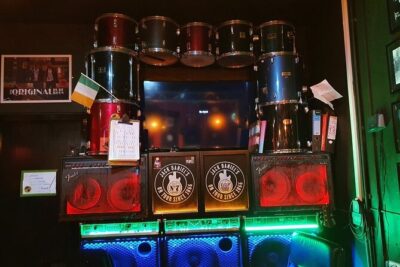
Irish Rock ‘N’ Roll Museum Experience Dublin
Our verdict on it →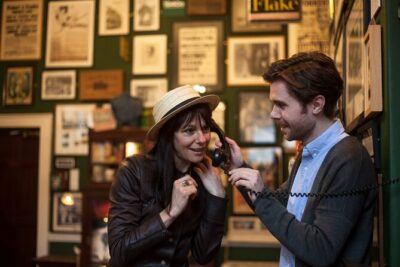
The Little Museum of Dublin Famous Guided Tour
Our verdict on it →
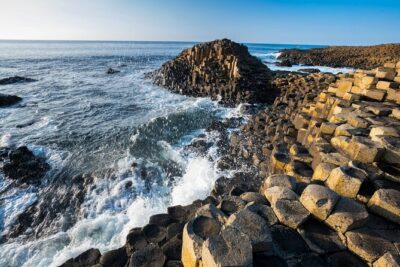
Giant’s Causeway with the Titanic Exhibition and the best of Northern Ireland
Our verdict on it →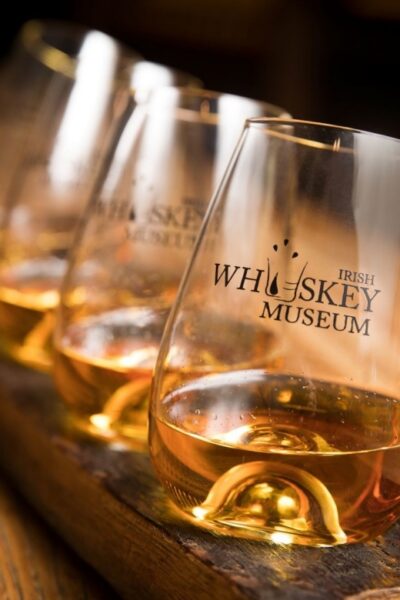
Irish Whiskey Museum Tour and Whiskey Tasting
Our verdict on it →

Irish Whiskey Museum: Whiskey Blending Experience
Our verdict on it →
Irish Whiskey Museum Blending Tour with Tastings
Our verdict on it →Browse the lists this tour appears in