
Reviewed · DUBLIN TOURS
Dublin: Windmill Lane Recording Studios Tour
The most surprising thing about Windmill Lane is how much musical history fits inside one working Dublin building. Since 1978, its rooms have hosted U2, Hozier, The Cranberries, Lady Gaga, Westlife, Riverdance, The Rolling Stones, and many more. I like the hands-on look at recording equipment and the way guides such as Aidan, Maeve, Zara, and Stefan explain the work in plain language. I also like the small-group feel, which gives you room to ask questions and, in some cases, try the equipment.
The one catch is practical: this is a working studio in a protected three-story building, not a museum you can wander into at any time. Tours run only on selected dates and times, cameras and large bags are not allowed, and the building has no lift. If stairs are difficult for you, this is not a good fit.
Key points about the Windmill Lane tour
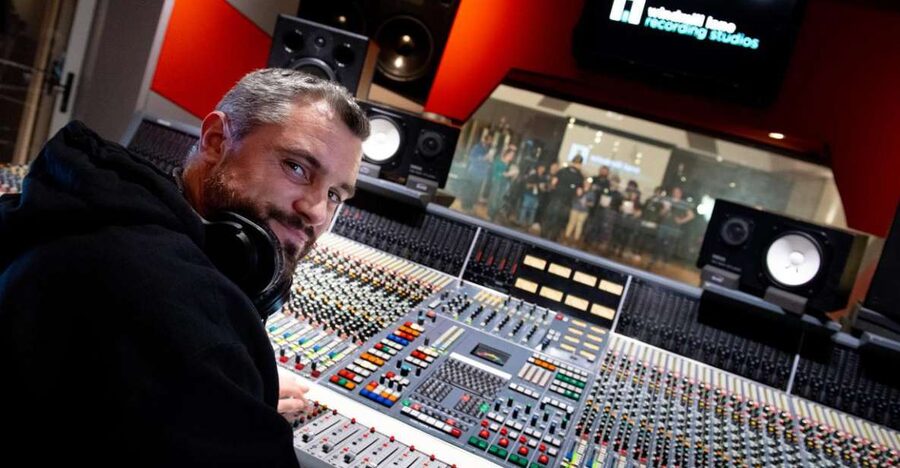
- Studio 1 is the main event: See the room connected with decades of major recordings and learn how a live performance becomes a finished track.
- The guides work in music: Aidan, Maeve, Zara, Stefan, Maria, Ian, and other guides bring practical recording experience to the tour.
- You hear the process, not just the stories: Audio examples show how sound is captured, mixed, changed, and placed around you.
- The 360-degree recording is memorable: A binaural demonstration gives you a clear sense of how sound can surround the listener.
- It suits serious music fans and curious beginners: You do not need production training to follow the hour.
- Plan carefully: Book ahead, leave large bags and cameras behind, and allow for stairs in the historic building.
Inside Dublin’s working recording studio

Windmill Lane is not dressed up as a visitor attraction. It remains a functioning recording studio, which changes the mood from the moment you enter. You are not simply looking at old instruments behind glass. You are entering rooms built for musicians, producers, engineers, and technicians doing precise work.
That distinction matters. A museum can tell you that an album was made in a certain place. Here, you get a better sense of how the place operates. You see the rooms, the control areas, the equipment, and the choices that shape a recording.
The tour lasts about one hour, with an English-speaking guide. The schedule is limited, so you need to reserve a specific time rather than turning up on a whim. That restriction may feel inconvenient, but it protects the studio’s main purpose: recording music.
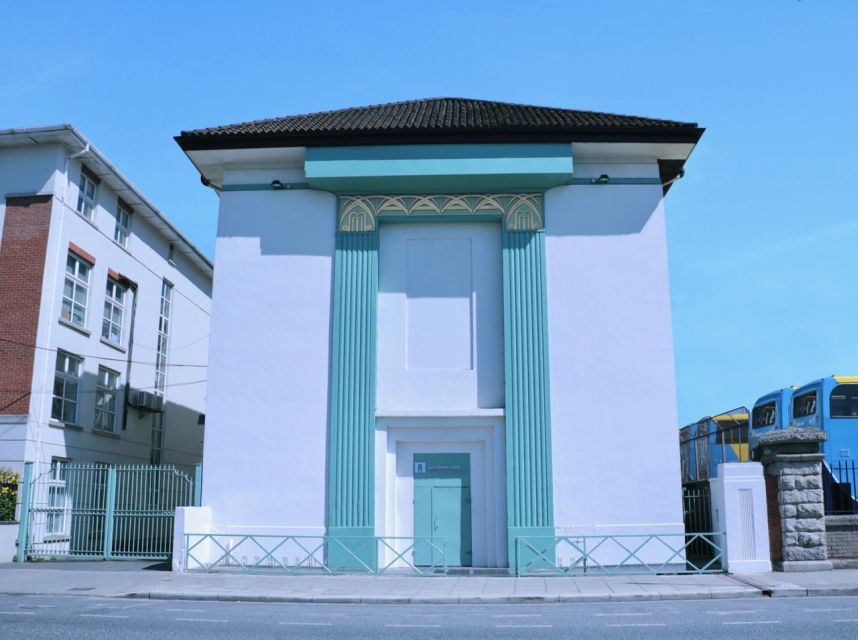
The building itself has three stories and is historic and protected. You should expect stairs and some movement between spaces. The lack of a lift makes the tour unsuitable for wheelchair users and people with mobility impairments, and a moderate level of physical fitness is advised.
A few more Dublin days to weigh up
- Dublin: Guinness Storehouse Entry Ticket
★ 4.6 · 16,863 reviews - Irish Rock ‘N’ Roll Museum Experience Dublin
★ 5.0 · 6,112 reviews - Dublin Highlights and Hidden Gems Guided Walking Tour
★ 5.0 · 6,020 reviews
Why Studio 1 matters
The visit centers on Studio 1, the large room where much of the studio’s reputation was built. The point is not only to stand in a famous room and imagine musicians at work. Your guide explains why a room of that size matters, how performers use it, and how microphones capture the sound.
Studio 1 also helps make recording less mysterious. Many listeners think of a finished song as one polished object. Inside the studio, you begin to see the separate parts: the live performance, microphone placement, the control desk, sound changes, and later mixing.
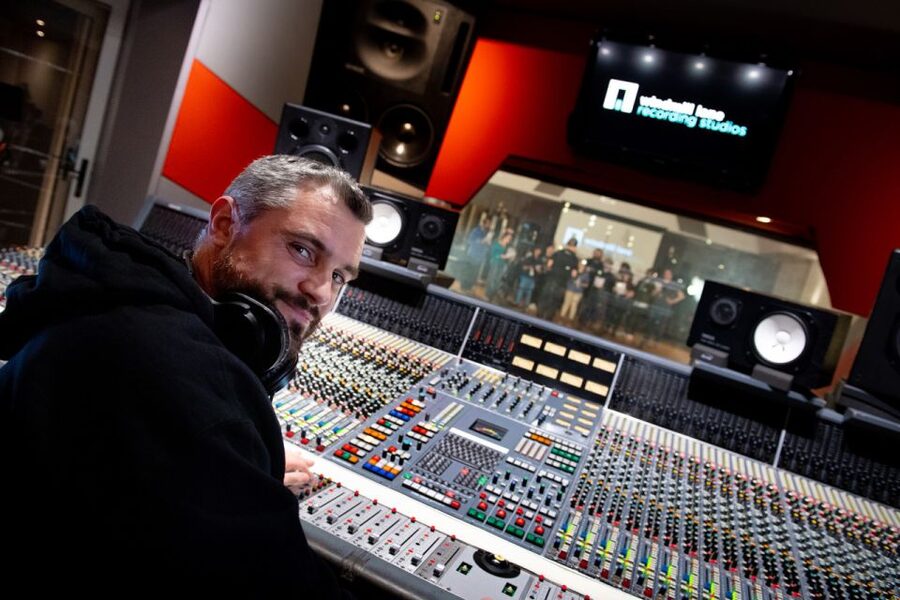
You may also see Studio 3 and the engineer’s seating area, depending on the tour presentation and current studio use. Sitting near the large mixing console gives you a useful sense of the engineer’s role. The recording is not finished when the musicians stop playing. Someone still has to balance voices and instruments, remove unwanted sound, adjust tone, and build the final version heard by the public.
That is where this tour earns its keep. It connects famous names to real working skills. Instead of treating U2, The Cranberries, Lady Gaga, or The Rolling Stones as a list of celebrity visitors, it shows the studio team and technology that helped shape the sound.
From early recording devices to modern software
A strong part of the tour is the explanation of how recording technology has changed. Your guide takes you from earlier recording equipment toward modern computer-based software, showing how the tools have developed and how some basic goals remain the same.
The technical side is handled at different levels. If you already study music production, you can ask about consoles, recording techniques, and the decisions made in a studio. If you are new to the subject, the guide can keep it simple enough to follow.
That flexibility comes through in the guides’ different styles. Aidan is known for a friendly, informal approach and for explaining the studio’s story with humor. Maeve brings a warm, careful manner to the visit. Zara, Stefan, Maria, Ian, and Ross have also led tours, with Stefan particularly suited to visitors who want more detail about the equipment and production process.
You might get a chance to try some of the equipment or sit in the engineer’s chair. The amount of participation can depend on the guide, the group, and what is happening in the working studio. You can also hang back if you prefer to listen.
Hearing the live room in action
The tour includes a recording of a band performing in the live room. As you listen, the guide explains what is happening in the recording process. This is much more useful than a short technical lecture because you hear the result as the explanation unfolds.
Pay attention to the relationship between the room and the sound. The live room is not just a large empty space. Its size and surfaces affect how sound behaves, and the recording team must decide how to capture that sound. Microphones, placement, room tone, and later adjustments all play a part.
The guide may also demonstrate voice tone alteration and other changes to the signal. That is a good reminder that modern music production is not only about recording a singer or band accurately. It is also about shaping the sound to suit the song.
You do not need to know the names of every piece of equipment to enjoy this section. The useful question is simple: how did the original performance become the track in your headphones? Windmill Lane gives you a practical answer.
Same part of the country, a completely different day out:
- Dublin: Jameson Whiskey Distillery Tour with Tastings
★ 4.7 · 4,859 reviews - Dublin Jameson Distillery Bow St. Tour and Tasting 45 mins
★ 5.0 · 4,690 reviews - Guinness Storehouse Experience
★ 4.5 · 4,629 reviews - Dublin Book of Kells, Castle and Molly Malone Statue Guided Tour
★ 4.5 · 3,825 reviews
The binaural sound demonstration
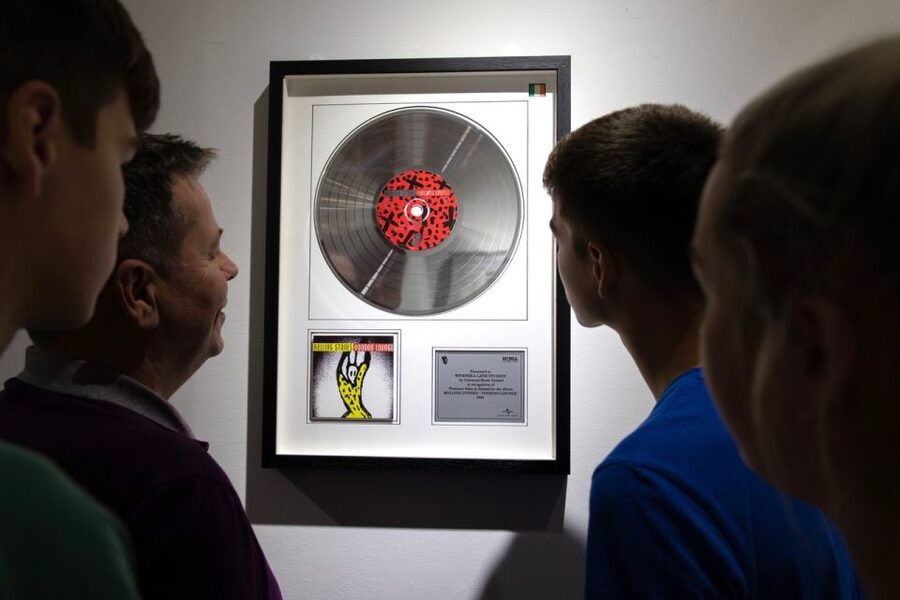
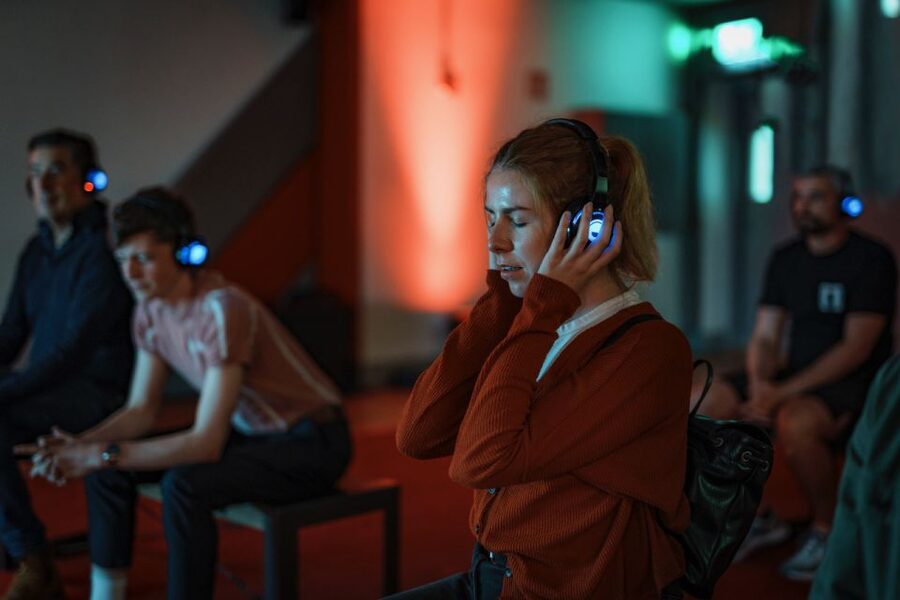
The final audio presentation is one of the tour’s strongest features. You hear a specially commissioned binaural recording designed to create a 360-degree sound effect.
Binaural audio is made to suggest sound coming from different positions around you. With your eyes closed, the effect becomes easier to notice. It is a short demonstration, but it turns an abstract idea into something you can hear for yourself.
This is also where the tour connects older studio craft with current listening technology. Windmill Lane is known for classic recording work, yet the experience does not stop in the analog past. You also hear how modern production can place sound around the listener.
The result is not a concert, and you should not book this expecting a live performance by a famous artist. It is a demonstration of recording and playback. For anyone interested in film sound, headphones, gaming audio, or music production, that distinction makes the finale especially worthwhile.
The people behind the famous names
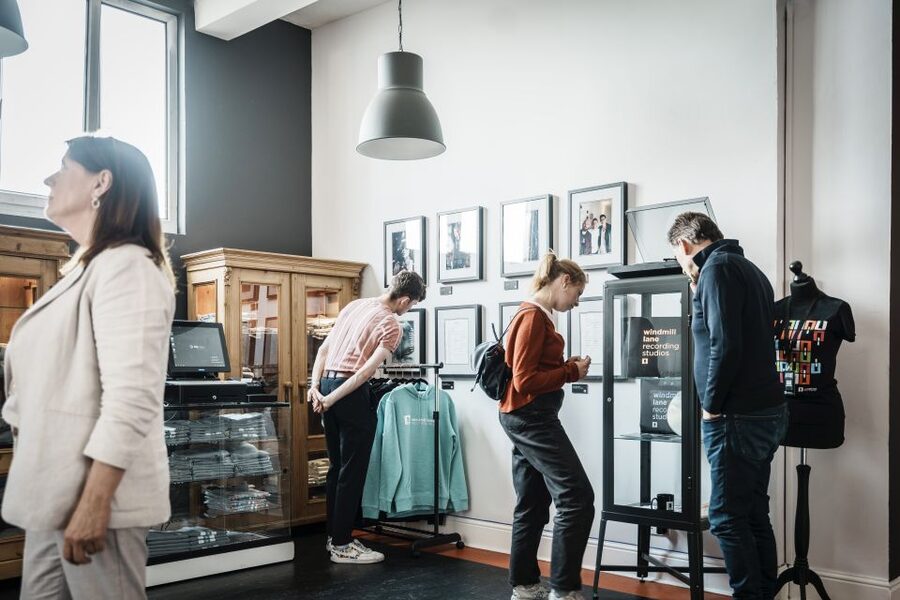
The artist list is impressive, but the people behind the sessions are just as important. A recording studio depends on producers, engineers, technicians, musicians, and support staff. Their work often disappears once a song reaches the radio or a streaming service.
The guides bring attention back to those roles. They explain how a studio team supports performers and how technical choices affect the final sound. You also hear stories connected with the artists who have used the building, including Irish acts and international performers.
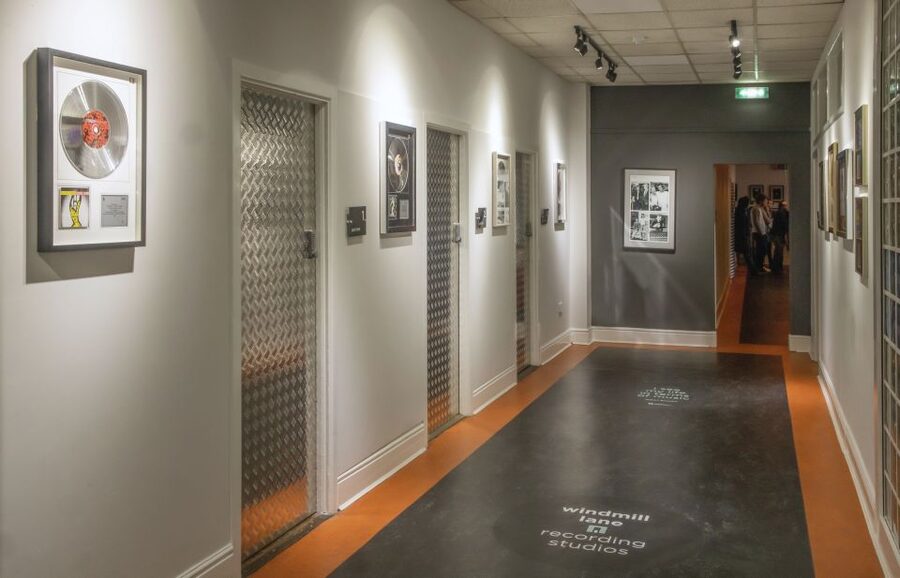
A wall of signatures and studio memorabilia adds a lighter touch. You may see gold and platinum records, Grammy awards, and other reminders of the building’s output. These displays work best when paired with the technical explanations. On their own, awards are simply trophies. With the tour, they become clues to the scale and range of work completed here.
The stories also reach beyond rock and pop. Riverdance is part of the studio’s story, which helps show that Windmill Lane has worked with performance, film, and large-scale productions as well as conventional band recordings.
How the tour feels in a small group
The experience works particularly well when the group is small. A smaller party makes it easier to see the equipment, hear the audio examples, and ask a question without holding up a large crowd. Past groups have sometimes been very small, including only a handful of people.
The guides encourage conversation rather than delivering a rigid speech. You can bring up a favorite artist or song, ask how a recording was made, or request a simpler explanation of a technical point. That makes the hour feel personal.
Still, the tour’s quality can depend partly on the guide assigned to your session. The available guides are musicians and producers, and names such as Aidan, Maeve, Zara, Stefan, Maria, Ian, and Ross have been associated with particularly engaging visits. Their styles may differ, but the common strength is direct experience with music and recording.
If you prefer a silent, self-guided museum, this may feel too social. If you like asking questions and learning through demonstrations, the format is a good match.
Is $25 a fair price?
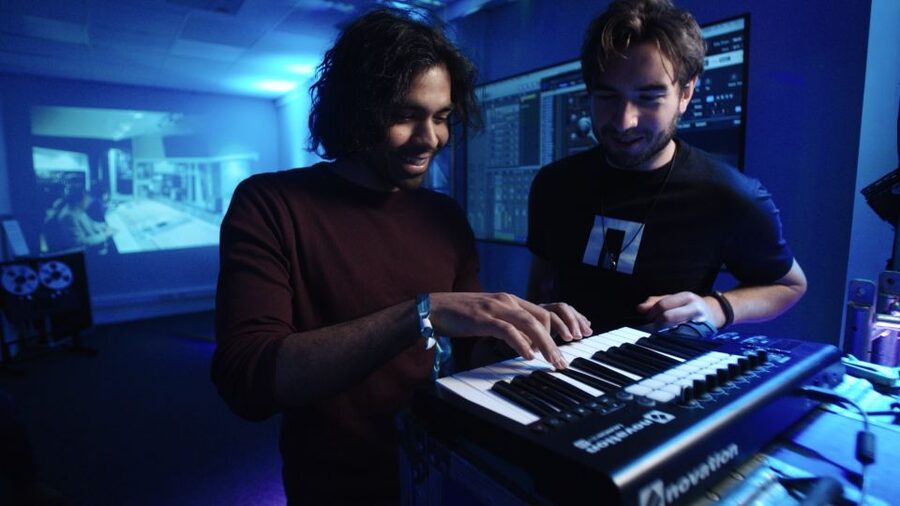
At $25 per person, this is not the cheapest music-themed stop in Dublin. Its value depends on what you want from the hour.
For a casual visitor with little interest in how music is made, the price may feel high for a one-hour activity. You will not receive food, drinks, hotel pickup, or a concert. You also cannot count on seeing a recording session in progress, since the studio must continue its professional work.
For a music fan, student, producer, or anyone curious about sound, the price is easier to justify. You receive access to a working studio, an expert guide, technical demonstrations, stories about major artists, a visit to Studio 1, and the binaural audio presentation. Comparable attractions often focus on memorabilia alone. Windmill Lane gives you both the memorabilia and the working process.
I would consider it especially good value for two people with different levels of music knowledge. One person can focus on the famous artists and rooms while the other asks about microphones, mixing, and software. The guides adjust the discussion so neither person needs advanced training.
Planning your visit in central Dublin
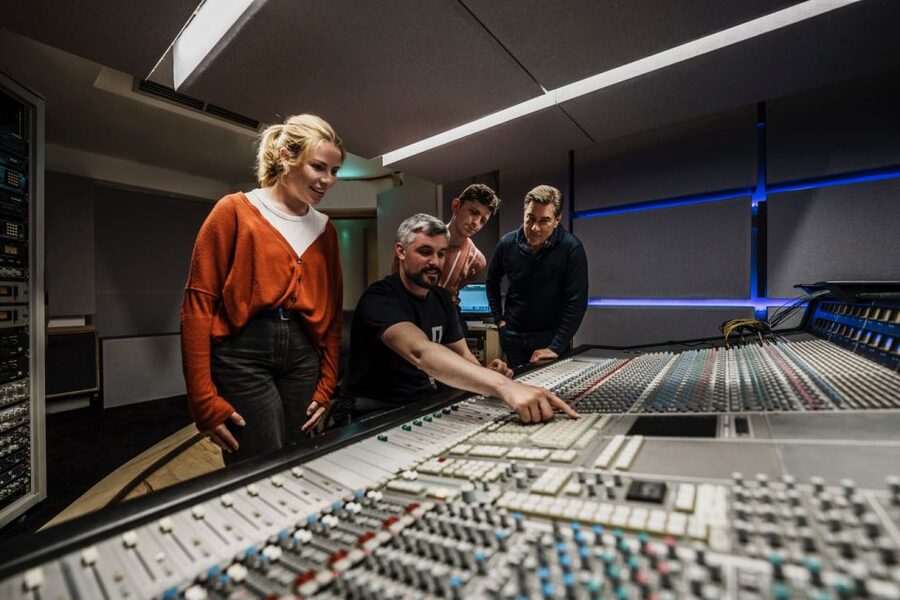
The tour begins and ends at Windmill Lane Recording Studios. Hotel pickup and drop-off are not included, so you need to make your own way there. The studio is centrally located, with convenience stores, cafés, and restaurants nearby.
Because food and drinks are not sold on-site, eat before or after the visit if you need more than an hour out of your day. The nearby cafés also make it easy to continue the conversation over coffee, especially if the recording process leaves you thinking about favorite albums and songs.
Book in advance. Windmill Lane is not a walk-in attraction, and tours run only at designated times and on selected dates. You can cancel up to 24 hours before the tour for a full refund, and a reserve-now, pay-later option is available. Check the exact starting time when you book rather than assuming tours run throughout the day.
Leave cameras and large bags behind. The camera rule may disappoint anyone hoping for studio photographs, but it keeps the focus on the tour and protects the privacy of a working creative space. Bring only what you need.
Children under five are not permitted. Older children may enjoy the equipment, sound effects, and signature wall, but the technical discussion may appeal more to teenagers and adults.
Who should book this experience?
You should book if you enjoy music, audio technology, Irish popular culture, or behind-the-scenes work. It is also a strong choice for students studying music production, since the tour connects classroom ideas with real rooms and equipment.
You do not need to know the difference between a compressor and an equalizer. The guides explain the main ideas for beginners, while visitors with more experience can ask more detailed questions.
This is less suitable if your main goal is live music. No concert is promised, and the activity is about recording rather than performance. It is also a poor choice if stairs are a problem or if you need wheelchair access.
Should you book Windmill Lane?
I would book this tour if music is part of the reason you came to Dublin, especially if you want more than a wall of famous names. The best parts are the access to Studio 1, the clear demonstrations, the chance to see recording from the engineer’s side, and the binaural audio finale.
The one-hour length makes it easy to fit into a Dublin day, and the central location helps. Just reserve ahead, check the date and time, leave large bags and cameras at your accommodation, and be ready for stairs.
If you only want a quick celebrity photo opportunity, choose another attraction. If you want to understand how a performance becomes a finished recording, Windmill Lane is a thoughtful and entertaining use of an hour.
FAQ
How long is the Windmill Lane Recording Studios tour?
The tour lasts one hour.
How much does the tour cost?
The listed price is $25 per person.
What language is the tour in?
The live tour guide speaks English.
Where does the tour start and finish?
It starts at Windmill Lane Recording Studios and ends back at the same meeting point.
Do I need to book in advance?
Yes. The studio is a working recording facility, not a walk-in visitor attraction, and tours run only on designated dates and times.
Can I cancel the booking?
You can cancel up to 24 hours in advance for a full refund.
Are cameras allowed?
No. Cameras are not allowed, and large bags or luggage are also prohibited.
Is the building accessible for wheelchair users?
No. The historic three-story building has limited access and no lift facilities, so it is not suitable for wheelchair users or people with mobility impairments.
Are children allowed on the tour?
Children under five are not permitted.
Are food and drinks available at the studio?
No. Food and drinks are not sold on-site, but convenience stores, cafés, and restaurants are close by.
Just added around Dublin
- Women Of Ireland: Trailblazers & Pioneers★ 5.0 · 4 reviews
- Whiskey Tasting Tour of Dublin★ 5.0 · 117 reviews
- Premium Irish Whiskey Tasting Hosted by Local Dublin Expert★ 5.0 · 77 reviews
- Historical Walking Tour of Dublin★ 5.0 · 50 reviews
- Dublin (Dun Laoghaire) Top-Rated Coastal Walking Tour★ 5.0 · 80 reviews
- Semi-Private (8people max) 2.5 Hr Dublin Walking Tour★ 5.0 · 69 reviews
- Private Ultimate Day in Dublin (Walking Tour)★ 5.0 · 30 reviews
- DayTripper Dublin: A Guided City Walking Tour★ 5.0 · 90 reviews
Dublin Tours, compared.
Irish Rock ‘N’ Roll Museum Experience Dublin
Our verdict on it →
Dublin Highlights and Hidden Gems Guided Walking Tour
Our verdict on it →
Jameson Whiskey Distillery Tour with Tastings
Our verdict on it →
Dublin Jameson Distillery Bow St. Tour and Tasting 45 mins
Our verdict on it →
Dublin Book of Kells, Castle and Molly Malone Statue Guided Tour
Our verdict on it →