
Reviewed · DUBLIN TOURS
Kildare: Irish National Stud & Gardens
The Irish National Stud gives you a rare look at a working thoroughbred breeding farm open to the public. You can watch stallions, mares, and foals at close range, then meet retired champions such as Hurricane Fly, Beef, Salmon, and Faugheen in the Living Legends area.
I like the mix of living animals and polished exhibits, especially the Japanese Gardens and the interactive racehorse experience. The main consideration is timing: the stud is at its liveliest from February through September, while October brings fewer horses and shorter tour hours.
Key points to know

- Watch stallions, mares, and foals: The public tour takes you through the working stud and gives you a clear look at the horses and their care.
- Meet famous retired racehorses: The Living Legends area includes Hurricane Fly, Beef, Salmon, and Faugheen.
- Allow 40 minutes for the racehorse experience: You follow a horse from birth to retirement, buy a yearling in an interactive auction, and ride in a simulated race.
- Save time for both gardens: The Japanese Gardens follow a symbolic path through the stages of life, while St Fiachra’s Garden reflects Irish plants and wildlife.
- Check seasonal tour times: Tours run most often in summer, but from October they are limited to 11 a.m. and 2 p.m.
- Best for horse lovers and families: Children under 7 cannot enter the Irish Racehorse Experience unless accompanied by an adult.
Why the Irish National Stud is worth your time
About 40 minutes outside Dublin, the Irish National Stud offers more than a quick look at handsome horses in green paddocks. It brings together breeding, racing, garden design, Irish culture, and the daily work behind a famous sporting tradition.
I like that the experience does not assume you already understand racing. The public tour explains how the stud works and how a future stallion is selected. You see the practical side of the business, including how the farm generates income and why bloodlines matter.
The setting also gives the visit a welcome change of pace. After the horse areas, you can walk through two very different gardens, then finish beside retired racehorses. It feels like several attractions in one place, so the $22 admission offers good value if you stay for most of the day.
You should plan around the clock, though. The Irish Racehorse Experience runs from 11 a.m. to 4 p.m., and the last entry to the site is at 5 p.m. A late arrival may leave you with too little time for the interactive exhibit and a public tour.
A few more Dublin days to weigh up
- Dublin: Guinness Storehouse Entry Ticket
★ 4.6 · 16,863 reviews - Irish Rock ‘N’ Roll Museum Experience Dublin
★ 5.0 · 6,112 reviews - Dublin Highlights and Hidden Gems Guided Walking Tour
★ 5.0 · 6,020 reviews
Start with the public tour of the stud
The public tour is the best way to understand what you are seeing. Tour times are normally 10:30 a.m., noon, 2 p.m., and 4 p.m. During the summer months, there are extra departures at 1 p.m. and 3 p.m. From October, the schedule contracts to 11 a.m. and 2 p.m.
Allow just over an hour for the guided walk. The exact pace can vary, but the tour takes you through the main horse areas and explains how the stud operates.
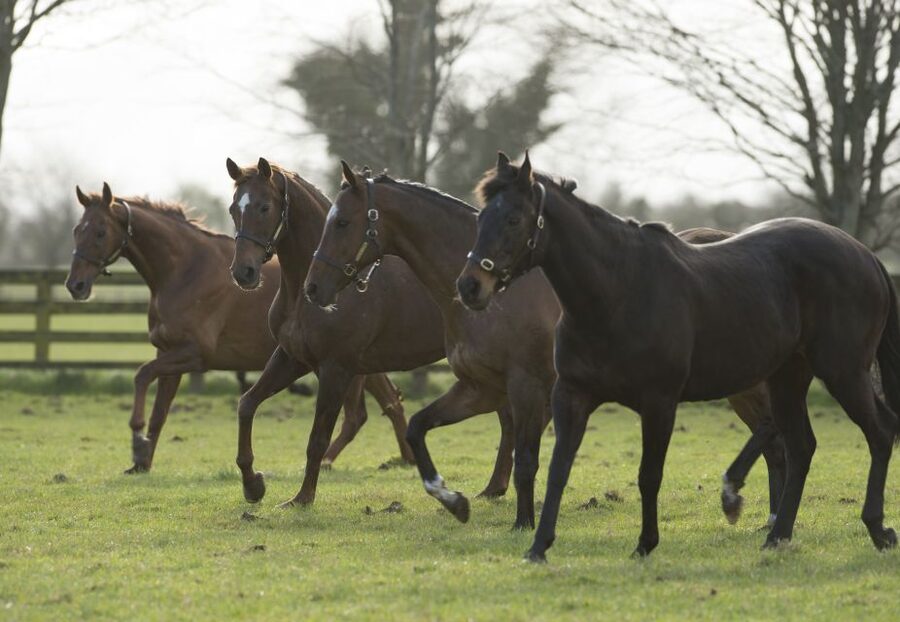
You begin with the stallions, whose breeding potential makes them the most valuable horses on the farm. The tour then moves toward mares and foals. The young horses are often the most entertaining part, since you get to see them moving and playing beside their mothers.
A guide makes a real difference here. Sue has led tours at the stud, and Amanda has given particularly detailed talks about the horses and their work. You may not have either guide on your visit, but the strongest tours combine clear breeding information with stories that help you see each horse as an individual animal rather than simply a racing asset.
The tour is also a useful answer to a common question: what happens behind the glamour of race day? You learn about the steps involved in selecting a possible future stallion and the care required to produce a thoroughbred. That practical information gives the visit more weight than a simple photo stop.
Give the horses space and attention
The stud covers 850 acres of rolling green ground, so you are not walking through a tiny display yard. The wide setting matters because these are breeding animals, and the visit lets you see them in paddocks rather than only in stalls.
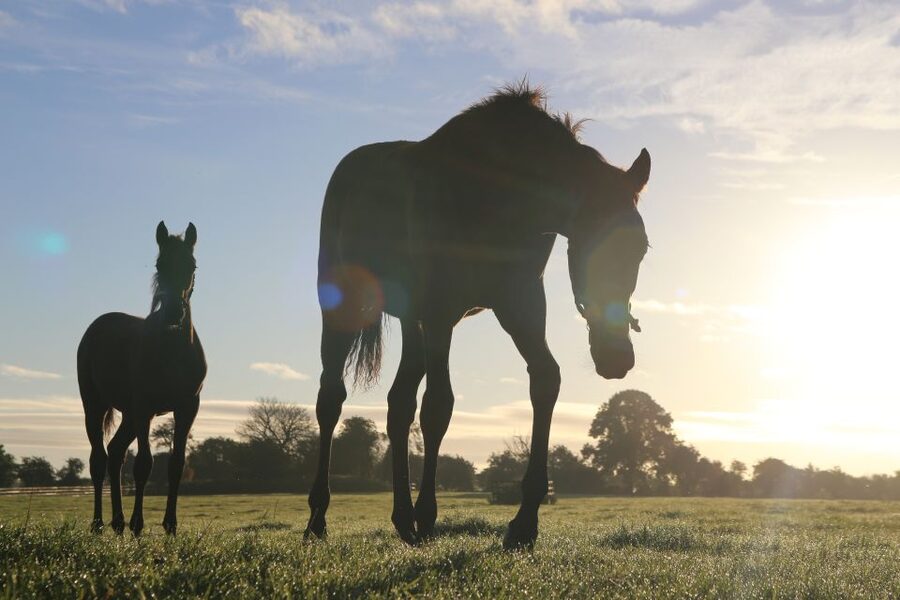
The stallions have an imposing presence, but the mares and foals bring a softer side to the visit. The foals are protected by their mothers, and you can watch them at an early stage of life before they become racing prospects.
The public nature of the stud also means conditions can change. Horses may be in different areas, and the number of animals on site varies during the year. February through September is the best window if seeing a strong selection of horses is important to you. From October onward, the stud winds down and there is limited stock on the grounds.
This seasonal point is easy to miss when planning. The gardens remain part of the attraction, but the horse side of the experience is likely to feel fuller earlier in the year.
Meet the Living Legends
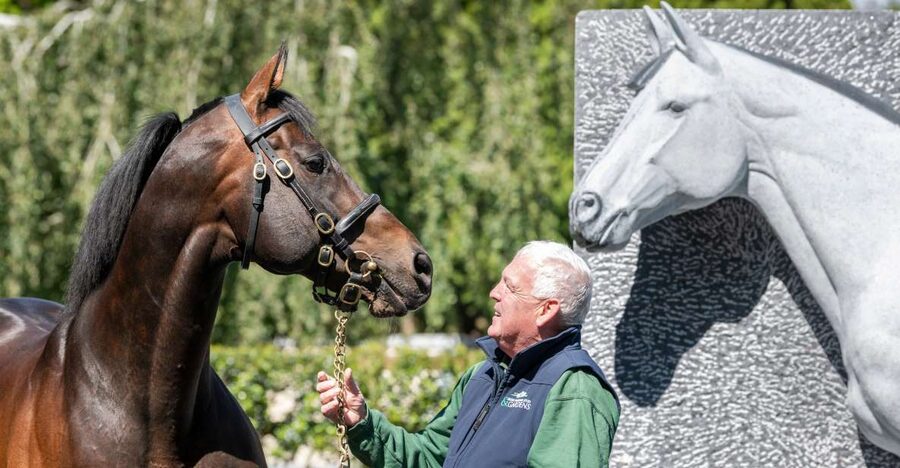
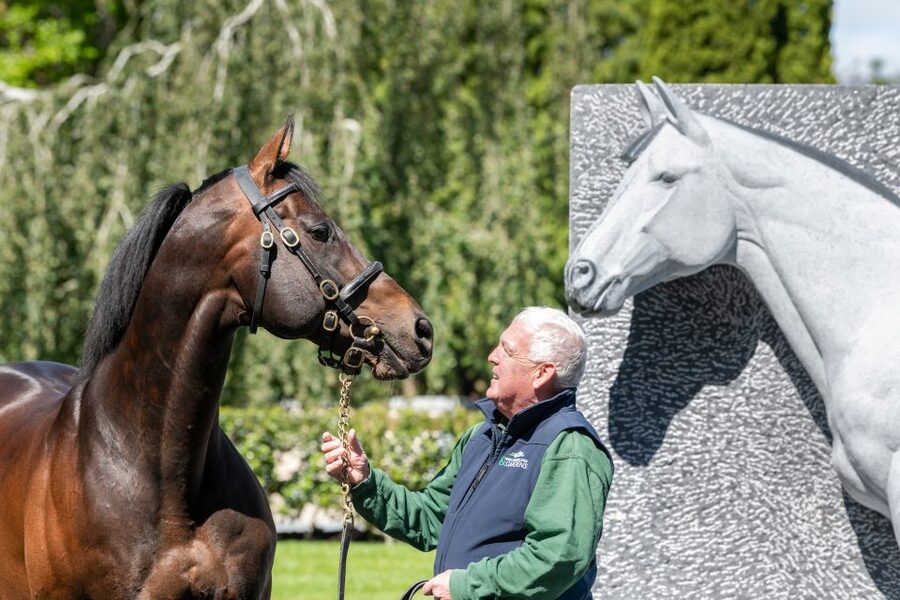
The Living Legends team gives the visit a memorable human connection. You can see retired racing stars including Hurricane Fly, Beef, Salmon, and Faugheen.
These horses are no longer being judged by their next race. Instead, the exhibit shows life after competition and explains what happened to famous horses and people connected with racing around the world.
The Living Legend room has large windows overlooking the paddock. That design is a real strength. You can learn inside while watching retired racehorses graze outside, rather than looking at old photographs in a closed room.
I would save this stop for a quieter part of your visit. It is tempting to rush through after the public tour, but the room helps connect the athletic spectacle of racing with the long life of a horse. It also gives non-racing fans enough background to understand why these names matter.
Same part of the country, a completely different day out:
- Dublin: Jameson Whiskey Distillery Tour with Tastings
★ 4.7 · 4,859 reviews - Dublin Jameson Distillery Bow St. Tour and Tasting 45 mins
★ 5.0 · 4,690 reviews - Guinness Storehouse Experience
★ 4.5 · 4,629 reviews - Dublin Book of Kells, Castle and Molly Malone Statue Guided Tour
★ 4.5 · 3,825 reviews
Try the Irish Racehorse Experience
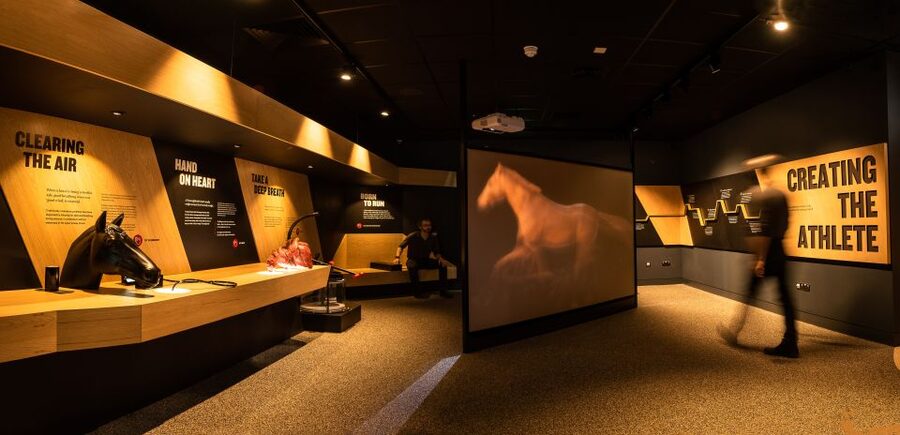
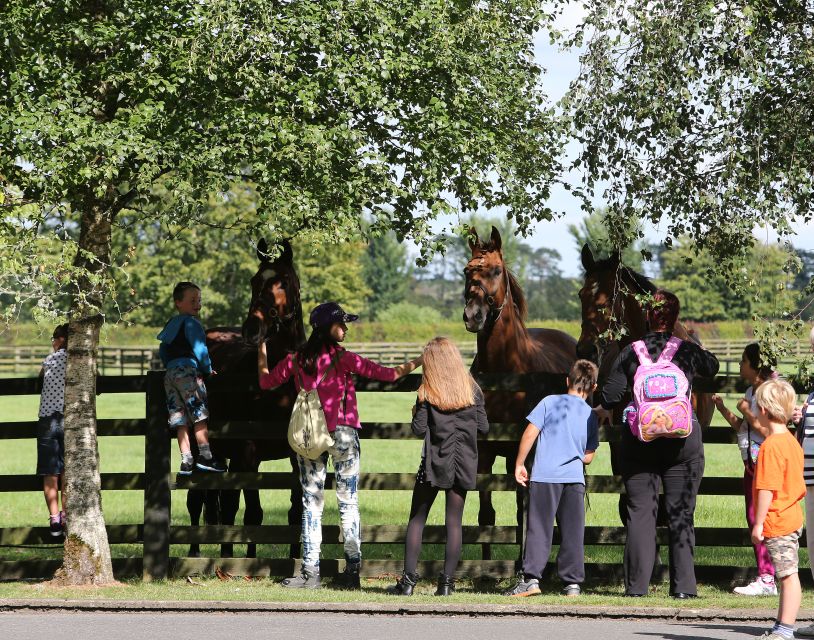
The interactive Irish Racehorse Experience is the most theatrical part of the visit. Set aside about 40 minutes, and more if you like to read every display or take your time with the activities.
You receive a horse box, which lets you play the role of a racehorse owner. The story begins with foaling and the early years, then moves through the development of the thoroughbred.
The auction section is especially engaging. You enter an interactive sale and try to purchase an unbroken yearling. This gives you a simple lesson in risk. A promising young horse may become a champion, but the purchase is still a gamble.
From there, the exhibit covers training, racecourses, jockeys, and the anatomy and physiology of the horse. You also get a look at racing fashion, betting, and animated race commentary. The presentation is designed to make you feel part of the event instead of simply reading facts on a wall.
The final race brings the whole sequence together. You watch your chosen horse compete, then ride in a simulated race to see how your investment performs. It is playful, but it also explains the money, judgment, and uncertainty behind the sport.
Children under 7 cannot use this part of the attraction unless accompanied by an adult. Families should check this before planning the visit around the exhibit. Older children and adults who enjoy interactive museums will likely get the most from it.
Walk the Japanese Gardens
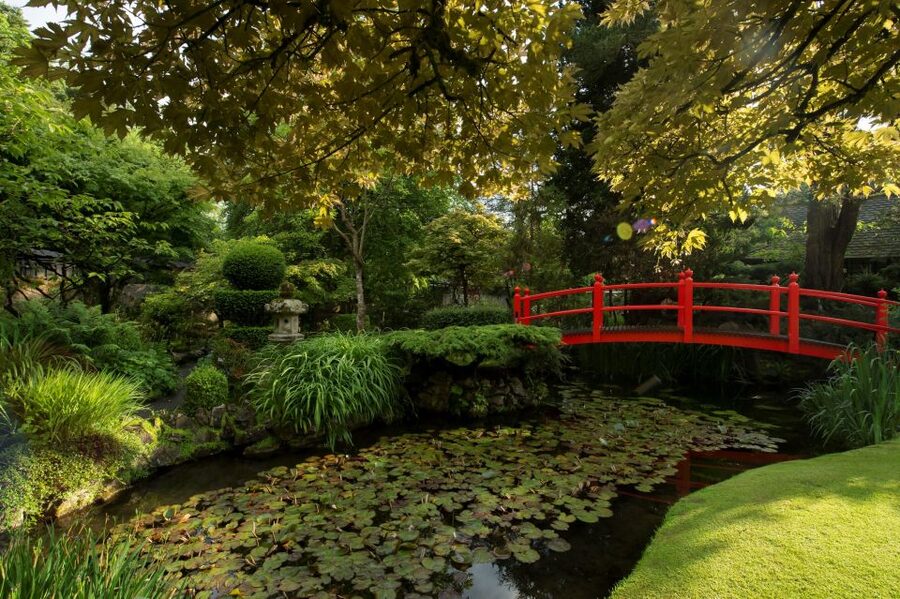
The Japanese Gardens are one of the main reasons to allow extra time at the Irish National Stud. They offer a calm contrast to the energy of the racehorse exhibit and the working stud.
A path known as the Life of Man traces the passage of a soul from birth through death and beyond. The route gives the garden a clear structure, so you are not simply wandering among attractive plants without a sense of purpose.
The garden is carefully maintained, and its changing views make it worth walking slowly. I would not treat it as a quick add-on after the horses. Give yourself time to notice the turns in the path and the way each section changes the mood.
Rain does not necessarily ruin the garden visit. The grounds remain appealing in unsettled weather, although wet paths can make a slower pace sensible. Since Ireland’s weather can shift during the day, bring clothing that lets you stay outside comfortably.
Find a different mood at St Fiachra’s Garden
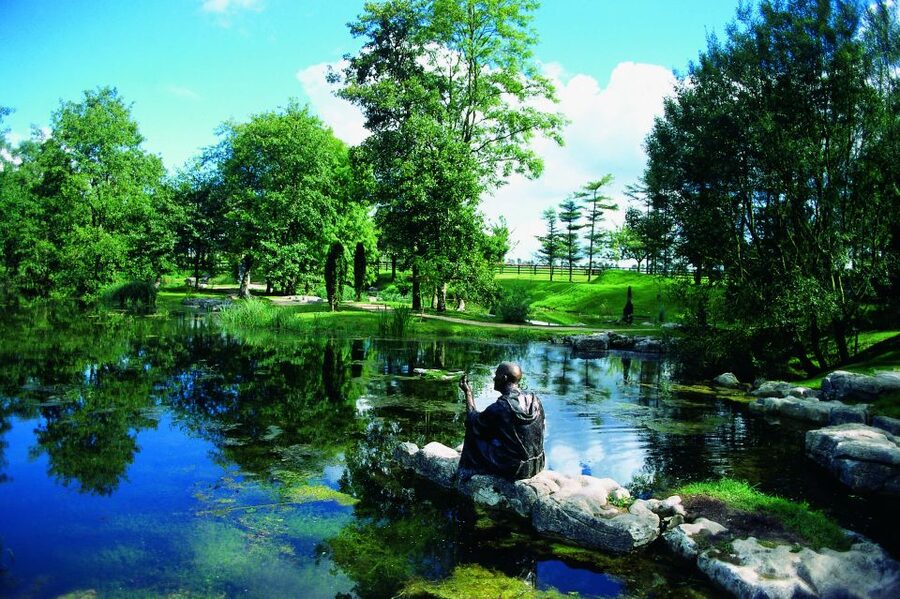
St Fiachra’s Garden is more closely tied to Ireland. It represents the power of the Irish countryside and includes native species and local wildlife.
Where the Japanese Gardens lead you through a symbolic story, St Fiachra’s Garden feels more rooted in Irish nature. The two gardens are worth seeing together because they are not simply two versions of the same formal design.
This is also a good place to pause after the tour. The stud can feel busy when you are keeping to a scheduled departure, while the garden gives you room to set your own pace.
You should expect the gardens to be a major part of the day, not a five-minute photo stop. If you only have time for the public tour, you will miss much of what makes the site different from an ordinary horse farm.
Build your day around the opening times
A full visit works best when you treat the ticket as a flexible day admission rather than a short timed attraction. Start with the Irish Racehorse Experience when it opens at 11 a.m., then join a public tour at noon or 2 p.m. Afterward, walk through the gardens and spend time with the Living Legends.
Another good plan is the 10:30 a.m. tour, followed by the interactive exhibit and gardens. The best choice depends on the date and the public tour schedule.
One visitor was contacted by the stud and offered an earlier tour time, which made it possible to enjoy the racehorse experience before the guided walk. You should not count on that happening, but it shows why checking times matters. If you arrive at 4 p.m., you may have enough time for the tour, but not for the full interactive exhibit and both gardens.
The final entry is at 5 p.m. The racehorse exhibit closes earlier, at 4 p.m., so do not leave that section until the end.
Summer provides the widest choice of tours. From October, the limited 11 a.m. and 2 p.m. departures require more careful planning, and there may be fewer horses on the grounds.
Is $22 good value?
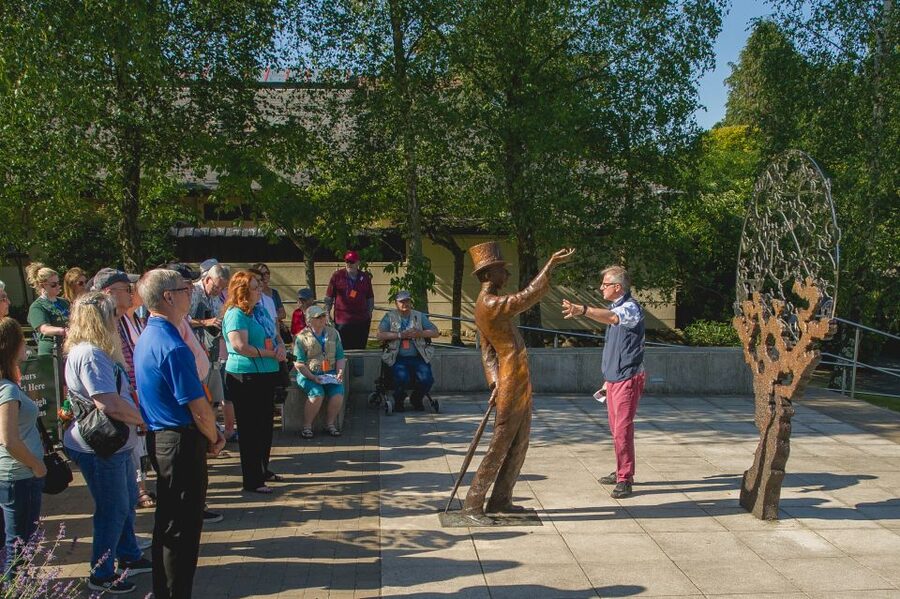
At $22 per person, the ticket is good value if you use the whole site. Admission includes the stud, both gardens, the Irish Racehorse Experience, and the public tour.
The value comes from the range of activities. A horse lover could spend time watching the animals and meeting retired champions. A garden lover gets two distinct gardens. Families and casual visitors have an interactive race and auction to break up the walking.
The value is weaker if you arrive late or visit outside the main season only to see a large number of horses. The attraction remains worthwhile, but the experience changes when there is limited stock and fewer public tours.
You can reserve now and pay later, which helps if your Ireland plans are still shifting. Free cancellation is available up to 24 hours in advance for a full refund. The site is wheelchair accessible, though the visit includes outdoor areas and walking between attractions.
Who will enjoy this most?
I would recommend the Irish National Stud to anyone interested in horses, racing, gardens, or Irish country life. You do not need to follow racing closely to enjoy it, since the tour and exhibit explain the basics.
Families with older children should find plenty to do, especially in the interactive racehorse section. Children under 7 need an adult with them for that exhibit, so parents should plan accordingly.
Garden lovers may enjoy the visit as much as racing fans. The Japanese Gardens are a serious part of the attraction, and St Fiachra’s Garden adds an Irish point of view.
The main mismatch is for anyone seeking a quick indoor attraction close to Dublin. This is a day visit with outdoor walking, scheduled tours, and seasonal changes in the number of horses on site.
Should you book the Irish National Stud?
Book it if you want a well-rounded day outside Dublin that combines live horses, famous racing names, gardens, and hands-on exhibits. The strongest plan is to visit between February and September, arrive early enough for the racehorse experience, and reserve time for a public tour.
If your priority is seeing the largest possible number of horses, avoid October onward or check current conditions before you go. If you can spare several hours, the $22 ticket earns its keep. If you have only a narrow window, choose a tour time carefully and do not assume you can fit every section in.
FAQ
How far is the Irish National Stud from Dublin?
The Irish National Stud and Gardens is about 40 minutes outside Dublin.
What does the $22 ticket include?
The ticket includes entry to the Irish National Stud, the gardens, the Irish Racehorse Experience, and the public tour.
What are the public tour times?
Public tours normally run at 10:30 a.m., noon, 2 p.m., and 4 p.m. During summer, additional tours run at 1 p.m. and 3 p.m. From October, tours run at 11 a.m. and 2 p.m.
What are the opening hours for the Irish Racehorse Experience?
The Irish Racehorse Experience is open from 11 a.m. to 4 p.m.
Can children under 7 enter the Irish Racehorse Experience?
Children under 7 may enter only when accompanied by an adult.
Is the Irish National Stud wheelchair accessible?
Yes, the Irish National Stud is wheelchair accessible.
Just added around Dublin
- Women Of Ireland: Trailblazers & Pioneers★ 5.0 · 4 reviews
- Premium Irish Whiskey Tasting Hosted by Local Dublin Expert★ 5.0 · 77 reviews
- Whiskey Tasting Tour of Dublin★ 5.0 · 117 reviews
- Historical Walking Tour of Dublin★ 5.0 · 50 reviews
- Dublin (Dun Laoghaire) Top-Rated Coastal Walking Tour★ 5.0 · 80 reviews
- Semi-Private (8people max) 2.5 Hr Dublin Walking Tour★ 5.0 · 69 reviews
- Private Ultimate Day in Dublin (Walking Tour)★ 5.0 · 30 reviews
- DayTripper Dublin: A Guided City Walking Tour★ 5.0 · 90 reviews
Dublin Tours, compared.


Irish Rock ‘N’ Roll Museum Experience Dublin
Our verdict on it →
Dublin Highlights and Hidden Gems Guided Walking Tour
Our verdict on it →
Jameson Whiskey Distillery Tour with Tastings
Our verdict on it →
Dublin Jameson Distillery Bow St. Tour and Tasting 45 mins
Our verdict on it →

Dublin Book of Kells, Castle and Molly Malone Statue Guided Tour
Our verdict on it →