
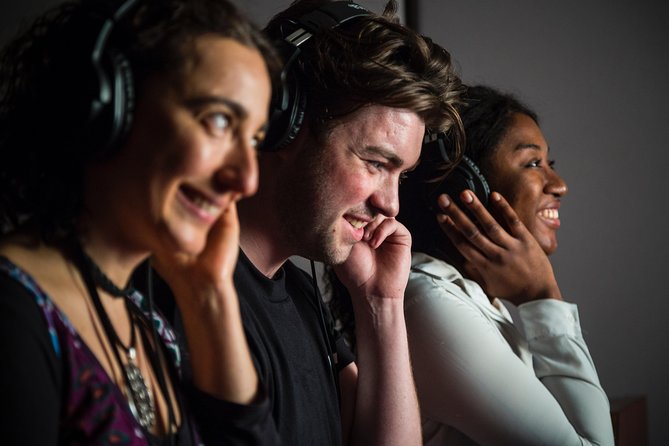
Reviewed · DUBLIN TOURS
Windmill Lane Recording Studios – Visitor Experience
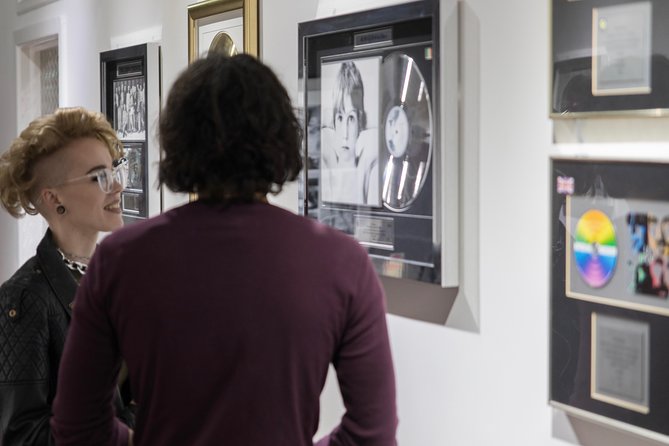
Windmill Lane is not a museum with glass cases. It is a working recording studio, and that changes the feel of the visit. You hear how records are made, see the rooms where major artists have worked, and get a hands-on turn mixing a session. I especially like the virtual band and the sound demonstration, which make technical ideas easy to grasp. I also like that the guides, including Maria, Marie, and Ross, can answer questions from both casual listeners and serious music fans.
The main drawback is its location outside the busiest part of central Dublin. It is still a direct 20 to 30 minute walk from Trinity College, but you need to plan around a fixed start time. Since the studio is active, advance booking is essential, and the one-hour visit can feel short if you want to ask every question on your list.
Key points to know before you book
- You enter a real working studio: Windmill Lane is still used for recording, so the visit feels more immediate than a standard music exhibit.
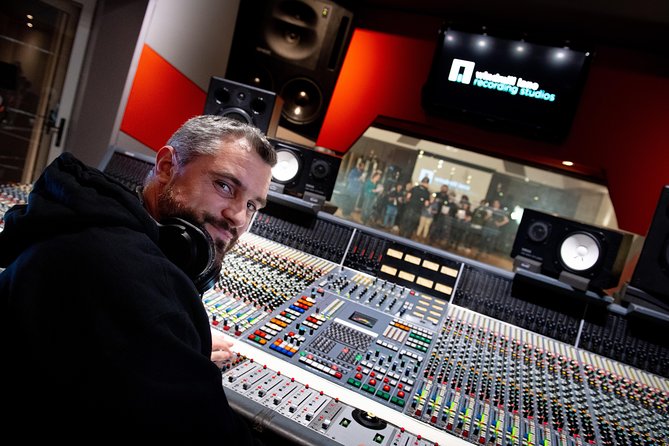
- You see three studio spaces: The rooms offer a look at different parts of the recording process, with Studio 1 and its large Neve analog board getting special attention.
- You get hands-on with production: The mixing activity lets you feel what it is like to shape a session rather than only listen to a guide talk.
- You hear stories about major artists: The tour connects the building to musicians and albums recorded there, including famous recent visitors.
- The group is kept small: A maximum of 15 people makes it easier to see the equipment and ask questions.
- The price is fair for a specialist visit: At $31.44, you are paying for access, a guided presentation, and interactive demonstrations rather than a simple walk through a building.
Why Windmill Lane feels different from a music museum
Dublin has plenty of music-themed stops, but Windmill Lane offers something more specific: a look at the machinery and people behind recorded sound. You are not simply reading about artists. You are shown the rooms, equipment, and working methods that turn a performance into a finished track.
That distinction matters even if you are not a devoted music fan. The guide explains the recording process in a way that connects the controls to sounds you already know. You can learn why a microphone is placed in a certain spot, how separate parts are combined, and how a producer shapes the final result.
The studio’s history is a major part of the visit. Stories connect the rooms with well-known rock and pop artists, along with the engineers and staff who helped create their work. One especially memorable detail is the sense that famous musicians still pass through the building. Bruce Springsteen, for example, had been in the same studio shortly before one visit.
You should not expect a full concert or a long celebrity display. The point is the studio itself, its equipment, and the process of recording. That makes this a better choice for someone curious about how music is made than for someone seeking a general Dublin sightseeing tour.
A few more Dublin days to weigh up
- Dublin: Guinness Storehouse Entry Ticket
★ 4.6 · 16,863 reviews - Irish Rock ‘N’ Roll Museum Experience Dublin
★ 5.0 · 6,112 reviews - Dublin Highlights and Hidden Gems Guided Walking Tour
★ 5.0 · 6,020 reviews
Entering the three studios
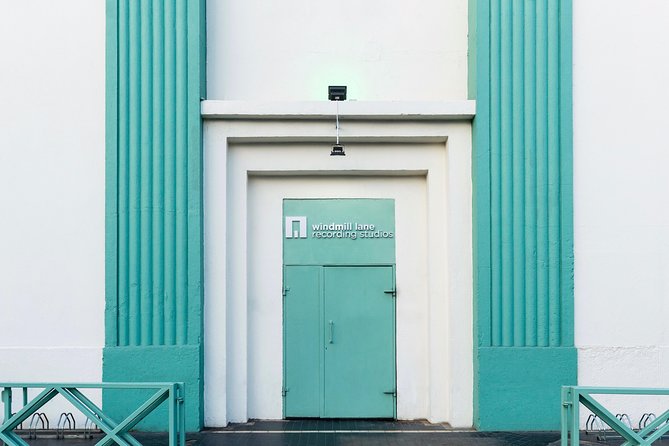
The tour begins at 20 Ringsend Road in Dublin 4. From Trinity College, the walk takes about 20 to 30 minutes and gives you a look at an area beyond the standard city center route. You can also use nearby public transportation, but the supplied details do not specify a particular bus or rail line, so check your route before setting out.
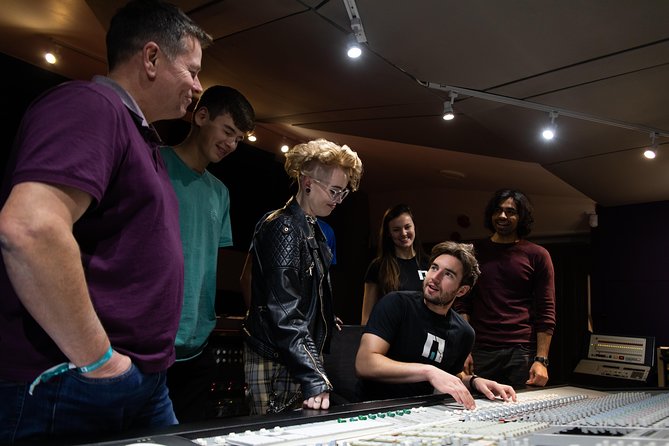
Inside, the guide takes you through the studio spaces and explains how each one fits into the recording operation. The visit includes three studios, with Studio 1 making a strong impression because of its size and equipment. The large mixing board is not just a decorative object. It helps show how many separate sounds can be controlled during a session.
The famous Neve analog console is a highlight for anyone interested in recording technology. Even if you cannot name the equipment, you can see why a professional mixing desk becomes part of a studio’s identity. It gives the explanation something real and substantial to focus on.
This is also where the small group helps. With no more than 15 people, you have a better chance of seeing the controls and hearing the guide without being pushed along in a large crowd. The space may still feel tight during the busiest moments, but the format is far more personal than a major attraction with dozens of people.
How a recording session works
The tour explains recording as a series of practical choices rather than a mysterious technical trick. You learn how sound is captured, arranged, adjusted, and combined. The guide uses demonstrations to show what sound does and how production changes what you hear.
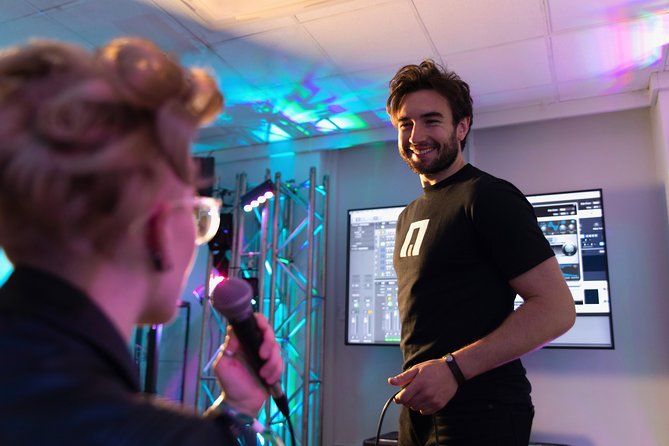
A sound demonstration is particularly useful for people who do not work with music. It gives you a way to hear the difference between raw sound and a shaped recording. For musicians and home producers, the same demonstration may be a starting point for more detailed questions about equipment and technique.
The guides bring different strengths to this part of the tour. Maria has been described as a composer and engineer who can handle technical questions, while Marie has also been praised for her ability to explain the studio and answer questions. Ross is another guide noted for an enthusiastic presentation. The exact guide you meet can vary, but the experience is designed to work for both beginners and music specialists.
That range is important. A studio tour can easily become too technical for one person or too basic for another. Here, you can listen to the main explanation and then ask for more detail if you want it. If your group includes a musician and someone who simply enjoys good records, both can find something useful.
Meet the virtual band and mix your own session

The interactive parts keep this from becoming a passive hour. The virtual band helps demonstrate how individual performances fit together. Instead of hearing only a finished song, you get a clearer sense of the separate pieces that a producer can control.
Then you get to mix your own session. This is the part that gives the tour its strongest sense of participation. You are not expected to become a professional producer in a few minutes, but you can try the basic decisions that shape a track.
The activity also explains why mixing is more than turning a few knobs. Small changes can affect balance, emphasis, and the way the music reaches your ears. For a first-time visitor, that hands-on step turns an abstract explanation into something memorable.
Families and mixed-interest groups should take note. One person can enjoy the artist stories, another can focus on the technology, and someone else can simply have fun trying the controls. A young music fan may especially enjoy the chance to feel like a producer for a few minutes, while an experienced musician may want to ask detailed follow-up questions.
The only limitation is time. The full visit lasts about one hour, and the tour includes the building’s story, artist connections, sound demonstrations, the virtual band, and the mixing session. You will get a well-shaped introduction, not an extended recording workshop.
Same part of the country, a completely different day out:
- Dublin: Jameson Whiskey Distillery Tour with Tastings
★ 4.7 · 4,859 reviews - Dublin Jameson Distillery Bow St. Tour and Tasting 45 mins
★ 5.0 · 4,690 reviews - Guinness Storehouse Experience
★ 4.5 · 4,629 reviews - Dublin Book of Kells, Castle and Molly Malone Statue Guided Tour
★ 4.5 · 3,825 reviews
The people and stories behind the equipment
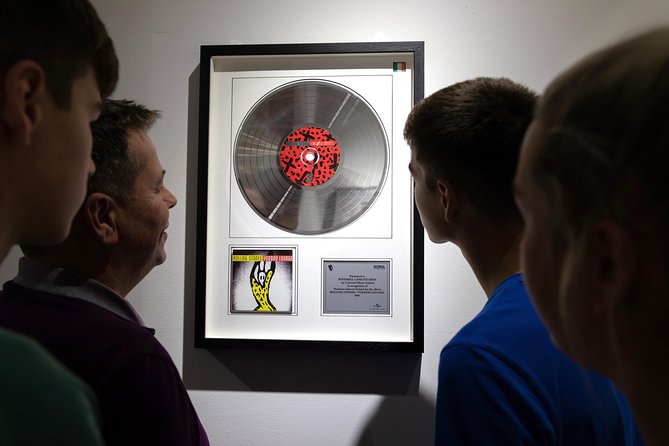
The best guides make the building feel active rather than frozen in the past. Windmill Lane’s story is told through the artists who recorded there, but also through the staff, engineers, and owners who kept the studios operating.
On some visits, an owner may take part in the tour. One owner has personally led a group, sharing details that gave the visit an especially direct connection to the studio. Naomi has also been present as one of the owners during a visit.
Do not count on meeting a particular person, since guide assignments can change. Still, the range of people involved is part of the appeal. You may get a guide with a production background, an owner with personal stories, or someone focused on making the tour welcoming to first-time visitors.
The stories are most valuable when they connect to the rooms you are standing in. Hearing that major artists recorded in the same spaces is one thing. Looking at the console and standing inside the studio gives that fact more weight. You begin to understand why recording spaces become important parts of music history.
Is $31.44 good value?
At $31.44 per person, this is not the cheapest activity in Dublin, but it offers more than a basic admission ticket. Your fee covers a guided visit, access to a working studio, technical demonstrations, and an interactive mixing session. The maximum group size of 15 also supports a more personal format.
I see the value most clearly if you have a real interest in music, recording, or the artists connected with the studio. You are paying for access to a place that normally operates behind closed doors, plus a guide who can explain what you are seeing.
For someone with no interest in how music is made, the price may feel less attractive than a major city attraction. The tour does not replace Dublin’s main historic sights, and it does not last long enough to fill half a day. It works best as a focused one-hour addition to your schedule.
The visit also offers a pleasant change from central Dublin’s busiest streets. The walk from Trinity College is manageable, and the route lets you see a less tourist-heavy part of the city. A small gift shop offers music-related items, though it is not a major shopping stop.
Who should book this visit?
You should consider Windmill Lane if you fall into any of these groups:
- You enjoy rock, pop, or recorded music and want to connect famous work with a real place.
- You play an instrument, sing, produce music, or have started learning about recording.
- You are planning a Dublin trip with a partner or family member who loves music.
- You want an activity that is indoors, guided, and different from the usual city sights.
- You like practical demonstrations more than displays behind glass.
- You want to visit a working creative space rather than a traditional museum.
You do not need technical knowledge. The tour is built to explain the basics, and the interactive sections give you something to do even if you cannot tell a compressor from a microphone. Still, you should have at least some interest in music or sound to get the most from the hour.
The moderate physical fitness requirement is worth noting, though no demanding activity is described. You will be moving through the studio during the visit, so wear ordinary comfortable shoes and arrive ready to follow the guide through the building.
Booking, timing, and practical details
Book ahead. Because Windmill Lane is a working studio, the visit cannot be treated like a casual drop-in attraction. The experience is often reserved well in advance, with an average booking lead time of about 33 days.
Your confirmation is issued at booking, and the ticket is mobile. The tour is offered in English and returns to the same meeting point at 20 Ringsend Road. Service animals are allowed, and the site is near public transportation.
If your plans change, free cancellation is available up to 24 hours before the start time. Changes or cancellations inside that 24-hour window are not accepted for a refund, and the cut-off uses local Dublin time.
Plan your walk carefully if you are coming from Trinity College or another central location. A 20 to 30 minute walk is reasonable, but you should leave enough time to find the building and arrive before the scheduled start. A late arrival could be more awkward here than at a large attraction because the group is small and the studio is operating on a timetable.
Should you book Windmill Lane?
Book it if you want to understand how music moves from performance to finished recording. The mix of studio history, artist stories, real equipment, sound demonstrations, a virtual band, and hands-on mixing gives you far more than a standard room tour.
I would give it priority for music fans, musicians, producers, and families with a strong music interest. It is also a smart choice if you have already seen Dublin’s central sights and want to spend an hour in a less familiar part of the city.
Skip it if your schedule is packed with major landmarks or if recording technology does not interest you. The one-hour format is focused, not broad, and the studio’s location requires a little planning.
For everyone else, the decision is simple: if the idea of standing beside a famous Neve console and trying a real mix sounds appealing, reserve early. The small group and working-studio setting make this one of Dublin’s more personal music experiences.
FAQ
Where does the Windmill Lane Recording Studios tour begin?
The tour begins at 20 Ringsend Road, Dublin 4, D04 CF66, Ireland.
How long does the experience last?
The visit lasts approximately one hour.
What language is the tour offered in?
The tour is offered in English.
What can I see during the visit?
You can explore the studios, hear about their history and artists, see how a recording session works, meet a virtual band, and mix your own session.
How many people can join the tour?
The activity has a maximum of 15 participants.
Is advance booking necessary?
Yes. Windmill Lane is a working recording studio, so advance booking is essential.
Is the tour accessible by public transportation?
The studio is near public transportation. The experience also requires a moderate level of physical fitness.
Can I cancel for a refund?
Yes. You can cancel up to 24 hours before the experience start time for a full refund. Cancellations or changes made less than 24 hours before the start time are not accepted for a refund.
Just added around Dublin
- Women Of Ireland: Trailblazers & Pioneers★ 5.0 · 4 reviews
- Whiskey Tasting Tour of Dublin★ 5.0 · 117 reviews
- Premium Irish Whiskey Tasting Hosted by Local Dublin Expert★ 5.0 · 77 reviews
- Historical Walking Tour of Dublin★ 5.0 · 50 reviews
- Semi-Private (8people max) 2.5 Hr Dublin Walking Tour★ 5.0 · 69 reviews
- Dublin (Dun Laoghaire) Top-Rated Coastal Walking Tour★ 5.0 · 80 reviews
- Private Ultimate Day in Dublin (Walking Tour)★ 5.0 · 30 reviews
- DayTripper Dublin: A Guided City Walking Tour★ 5.0 · 90 reviews
Dublin Tours, compared.

Irish Rock ‘N’ Roll Museum Experience Dublin
Our verdict on it →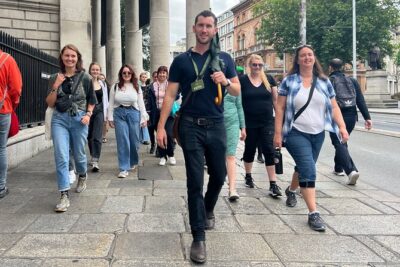
Dublin Highlights and Hidden Gems Guided Walking Tour
Our verdict on it →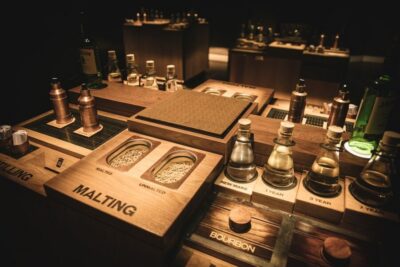
Jameson Whiskey Distillery Tour with Tastings
Our verdict on it →
Dublin Jameson Distillery Bow St. Tour and Tasting 45 mins
Our verdict on it →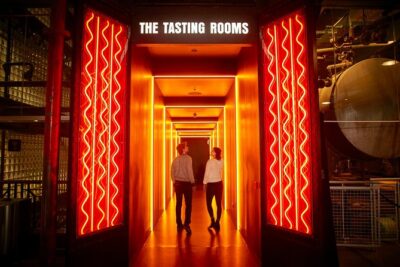

Dublin Book of Kells, Castle and Molly Malone Statue Guided Tour
Our verdict on it →