
Reviewed · HISTORICAL TOURS
Historical 2-Hour Guided Walking Tour of Dublin
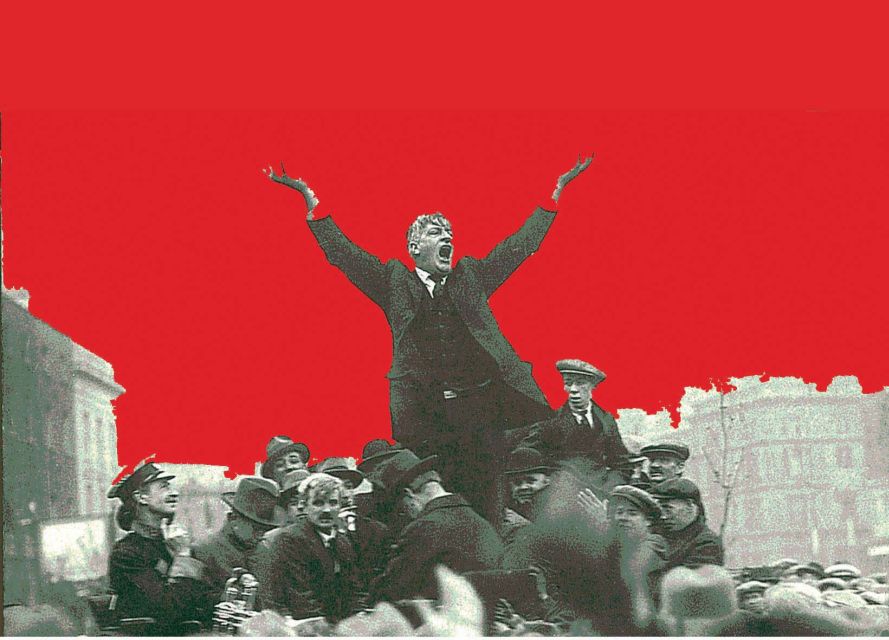
Dublin’s past is crowded into a small area, and this two-hour historical walk makes that compact center easier to understand. You’ll connect Dublin Castle, City Hall, Temple Bar, and the Medieval City to the larger story of Ireland, from the American and French revolutions through the Potato Famine, 1916 Rising, War of Independence, and Northern Ireland Peace Process.
I like the Trinity College and UCD history graduates who lead it, especially guides such as Daragh, Jodie, Colm, and Eoin. I also like the way the best guides add songs, personal stories, humor, and small details such as bullet holes, rather than simply reciting dates. The tradeoff is a lot of information in a short time, so you’ll want good walking shoes and solid English listening skills.
What makes this Dublin walk worth your time
- A clear two-hour route: See Dublin Castle, City Hall, Temple Bar, and the Medieval City without giving up a whole day.
- History with a human voice: Guides such as Daragh, Jodie, Colm, and Jody Fitzpatrick explain events with humor, stories, and sometimes a song.
- A useful timeline: The walk links major events, from outside political influence and famine to independence and the modern peace process.
- A central meeting point: Meet at the Henry Grattan Statue opposite the front gate of Trinity College Dublin.
- Good value at $22: You get a local English-speaking guide and the main historic sights of central Dublin for less than many longer city tours.
- A brisk academic lesson: Expect names, dates, and political detail, not only photo stops and pub folklore.
Starting at Trinity College with Henry Grattan
Your tour begins at the Henry Grattan Statue, opposite the front gate of Trinity College Dublin. Look for a guide wearing an Authenticity Tours lanyard or badge. This is a sensible starting point because Trinity places you near the center of Dublin’s political, cultural, and educational story.
The opening is likely to set the tone for the walk. This is not designed as a quick orientation with a few amusing facts. The guides are history graduates of Trinity College Dublin or University College Dublin, and they aim to explain how Ireland’s past fits together.
That matters in Dublin. You can look at a castle, a Georgian building, or a church and know it is old, but without context it is hard to tell what happened there and why it matters. A strong guide turns the city into a sequence of causes and consequences.
The group walks rather than rides, so you can expect regular stops and explanations in the street. The route is described as an easy walk, but you will be on your feet for about two hours. Wear comfortable shoes, particularly if you plan to continue sightseeing afterward.
More History Tours in Dublin
- Dublin Historical Centre Food Tour with 8 Food Tastings & Drinks
★ 5.0 · 1,718 reviews - 2-Hour Historical Walking Tour from Dublin
★ 5.0 · 875 reviews - Dublin: Jeanie Johnston Tall Ship Irish Famine History Tour
★ 4.8 · 431 reviews
Dublin Castle and the seat of power
Dublin Castle is one of the key stops, though entrance to the State Apartments is not included. That distinction is important. You will see and discuss the castle as part of the walking route, but this experience does not provide admission to those interiors.
The castle helps explain British administration in Ireland and the long political tension that shaped the country. It also gives the guide a useful setting for discussing the War of Independence and the shift from British rule toward an independent Irish state.
I value this kind of stop because it places political history in a real location. Instead of treating independence as a list of dates, you can connect it to the buildings where authority was exercised. The guide can also show how Dublin’s center contains reminders of different periods close together.
Do not expect a long indoor visit here. If entering the State Apartments is high on your list, you will need to arrange that separately. For this tour, the castle is mainly part of the wider street-level story.
City Hall and Dublin’s changing political story
City Hall adds another layer to the walk. Its location near Dublin Castle makes it easy to compare civic government with the older seat of British power. This is where the guide can help you see Dublin not only as an old city, but as a capital shaped by political change.
The tour covers the influence of the American and French revolutions. Those events happened outside Ireland, yet they affected Irish political ideas and helped create new arguments about representation, rights, and independence. A good explanation of this connection gives you more than a local sightseeing lesson. It shows how Dublin was affected by events across the Atlantic and the Irish Sea.
This is also where a strong guide can prevent the story from becoming too simple. Irish history is not one clean march toward independence. It includes competing political views, changing alliances, social hardship, and long periods of frustration. The best guides keep the story understandable without pretending it was easy.
The pace may feel brisk for anyone who wants to stop and study every building. The benefit is that you cover several major sites in one short outing. The cost is that some places receive only a brief explanation before the group moves on.
Temple Bar beyond pubs and nightlife
Temple Bar is often treated as Dublin’s entertainment district, but on this walk it becomes part of the city’s older story. You will see the area in relation to the Medieval City, rather than only as a place for restaurants, music, and evening crowds.
This helps correct a common problem with first visits to Dublin. It is easy to pass through Temple Bar, take a few photographs, and miss the layers beneath the tourist trade. A history-focused guide can point out how the area fits into the older center and connect it to Dublin’s growth.
The route does not promise a pub stop or food tasting, so plan on hearing about the area rather than settling in for a drink. That is a plus if you want history during your limited sightseeing time. It may disappoint you if you were hoping for a relaxed social tour built around local food or live music.
The walking format also lets you move between major points without a coach blocking the view. You are close to the buildings, statues, and street details being discussed. Keep in mind that city noise can make any outdoor tour harder to hear. Jodie has been praised for projecting clearly even in a noisy center, but listening closely remains part of the deal.
More Walking Tours in Dublin
- Dublin Highlights and Hidden Gems Guided Walking Tour
★ 5.0 · 6,020 reviews - Dublin: Highlights and Hidden Gems Walking Tour
★ 4.9 · 2,140 reviews - 1916 Rebellion Walking Tour
★ 5.0 · 1,605 reviews - 90 Minute Dublin Walking tour and Sightseeing tips
★ 5.0 · 916 reviews
The Medieval City and the details you could miss
The Medieval City section gives the tour its strongest sense of place. Dublin’s historic center is not a museum set apart from modern life. It is a working city, and old clues can appear beside ordinary streets and newer buildings.
The guides are particularly useful here because they can draw your attention to details you might otherwise walk past. One guide pointed out bullet holes, a small but powerful reminder that the political conflict discussed on the walk affected real streets and buildings.
This is the sort of detail I want from a city tour. Major landmarks are easy to find on a map. Smaller traces require someone who knows where to look and can explain why they matter.
You will also hear about the Potato Famine, one of the most important and painful parts of Ireland’s past. The tour places the famine within the country’s wider political and social story instead of treating it as an isolated tragedy. Expect a serious subject, handled as part of the broader timeline.
Because the tour covers so much, you will not receive an exhaustive account of every medieval building. You get a working framework: enough to understand the center, remember the main events, and decide which sites deserve a longer visit later.
From the 1916 Rising to the War of Independence
The 1916 Rising receives attention as a turning point in modern Irish history. The guide explains the event alongside the political pressures that came before it and the consequences that followed. This is where the walk shifts from older Dublin toward the city’s modern national identity.
The War of Independence follows as part of that same story. The value of hearing about these events on the streets of Dublin is that the conflict feels less distant. You are not only memorizing dates. You are looking at the capital where decisions, protests, repression, and resistance shaped the country.
Jody Fitzpatrick has been especially effective at turning this section into a lively account, using humor and performance skills to keep the information moving. That style will suit you if you prefer a guide who tells a story rather than reads from a script.
Still, the performance element is not for everyone. Some guides use songs and theatrical delivery, and one guide is noted for singing several times. Many people find this memorable. If you prefer a quiet, formal lecture, you may find the energy a little much.
The Northern Ireland Peace Process and modern Dublin
The tour does not stop with independence. It also reaches the Northern Ireland Peace Process and the effects of more recent history. That gives the walk a useful finish because Ireland’s story is not sealed in the past.
You will hear how political events continue to affect identity, public life, and the way Ireland is understood today. The tour also reaches modern Dublin, so you can compare the historic center with the city you are seeing around you.
This modern section is one of the reasons I would recommend the tour to someone who already knows the broad outline of Irish history. You may have heard about the famine, 1916, or the peace process separately. The guide’s job is to show the links between them.
The amount of material can be demanding. One guide covered Irish history from the Stone Age to Brexit in a lively way, but that is a very large span for two hours. You should expect a well-organized overview, not a specialist seminar on any single period.
Guide style: dates, wit, songs, and questions
The strongest feature of this experience is the quality of the live guide. Daragh is praised for handling names and dates with ease while adding context and humor. Colm combines personal anecdotes with songs and answers questions readily. Jodie and Jody are described as friendly, clear, and engaging, while Nate, Eoin, Grace, Tommy, and others bring their own approach.
You will not receive exactly the same performance every time. That is normal for a live walking tour, and it can be an advantage. One guide may focus more on political history, another on architecture or personal stories.
The common thread is an effort to make the information stick. Guides use humor, questions, anecdotes, and sometimes music. They also appear comfortable answering questions, which is useful when a date or political figure leaves you wanting more explanation.
The tour is in English only. You should be comfortable following a fairly detailed spoken presentation, especially when several names and events appear close together. If English is not your first language, the pace may take extra effort, even though the route itself is not strenuous.
What $22 buys you in Dublin
At $22 per person, this is a strong value if your goal is historical orientation. You receive a two-hour local walking tour, an English-speaking guide, and access to the main route and included entrance fees listed for the experience. You are not paying for a long attraction visit or transport, so the value rests on the guide and the organization of the story.
That is a fair trade in central Dublin. You can walk between the main sights on your own, but you may not understand why each one matters or how the pieces connect. A good guide can save you hours of piecing together information from separate books, plaques, and websites.
The price is less attractive if you mainly want free time for photographs, shopping, or pub visits. Two hours is a commitment, and the tour keeps moving through a prepared historical route. You also need to pay separately for entry to the State Apartments at Dublin Castle if you want to see them.
You can cancel up to 24 hours before the activity for a full refund, and the reserve-now, pay-later option gives you some flexibility when building a Dublin schedule.
Who should book this walking tour?
I would choose this tour early in a Dublin visit if you want the city to make sense before exploring it on your own. It suits history fans, first-time visitors, and anyone who likes a guide who can explain a complicated subject without sounding stiff.
It is also useful for repeat visitors. Jody Fitzpatrick’s approach, for example, can reveal context you may have missed on an earlier trip, while details such as bullet holes or political connections give familiar streets a new meaning.
Families with older children may enjoy the stories and humor, though the amount of information may be too much for younger children. The route is wheelchair accessible, which makes it a practical option for many visitors, but the provider does not give further detail about specific surfaces or restroom access.
You should skip it if you want a food tour, an evening pub crawl, an indoor museum visit, or a slow photography walk. You should also think twice if you dislike dates, political history, or spoken tours in a city center.
Should you book the Historical 2-Hour Guided Walking Tour of Dublin?
Book it if you want a clear, lively introduction to Dublin’s past for $22. The combination of Trinity-trained guides, major central sights, modern political context, and small details such as bullet holes gives the walk more substance than a basic landmark circuit.
Go in ready to listen. You will cover a lot of ground in two hours, and the best guides can make the history entertaining without making it simple. Wear good shoes, meet at the Henry Grattan Statue, and treat the walk as your historical foundation for the rest of Dublin.
FAQ
How long is the Dublin historical walking tour?
The tour lasts two hours. Starting times vary, so check availability when selecting your date.
How much does the tour cost?
The listed price is $22 per person.
Where does the tour begin?
Meet at the Henry Grattan Statue opposite the front gate of Trinity College Dublin.
How do I identify the guide?
Your guide will wear a lanyard or badge marked Authenticity Tours around their neck.
Where does the tour finish?
The activity ends back at the meeting point near Trinity College.
Is the tour conducted in English?
Yes. The live guide and tour language are English.
Is the tour wheelchair accessible?
Yes, the activity is listed as wheelchair accessible.
Is admission to Dublin Castle’s State Apartments included?
No. Entrance to the State Apartments in Dublin Castle is not included.
Can I cancel for a refund?
Yes. You can cancel up to 24 hours in advance for a full refund.
More 2-Hour Experiences in Dublin
- 2 Hour Walking Tour of Dublin’s City Centre
★ 5.0 · 63 reviews - Dublin: 2-Hour Premium Whiskey and Food Tasting Tour
★ 4.7 · 54 reviews - Dublin: 2 Hour City Center Guided Walking Tour
★ 4.9 · 12 reviews - 2-Hour Deluxe Whiskey & Food Tasting
★ 4.6 · 9 reviews
Just added around Dublin
- Women Of Ireland: Trailblazers & Pioneers★ 5.0 · 4 reviews
- Whiskey Tasting Tour of Dublin★ 5.0 · 117 reviews
- Premium Irish Whiskey Tasting Hosted by Local Dublin Expert★ 5.0 · 77 reviews
- Historical Walking Tour of Dublin★ 5.0 · 50 reviews
- Dublin (Dun Laoghaire) Top-Rated Coastal Walking Tour★ 5.0 · 80 reviews
- Semi-Private (8people max) 2.5 Hr Dublin Walking Tour★ 5.0 · 69 reviews
- Private Ultimate Day in Dublin (Walking Tour)★ 5.0 · 30 reviews
- DayTripper Dublin: A Guided City Walking Tour★ 5.0 · 90 reviews
Historical Tours, compared.

Dublin Historical Centre Food Tour with 8 Food Tastings & Drinks
Our verdict on it →
Dublin to Cork, Blarney Castle & Cóbh Heritage Centre by train
Our verdict on it →
Jeanie Johnston Tall Ship Irish Famine History Tour
Our verdict on it →

Deliciously Dublin: The Artisan Donut Walking & History Tour
Our verdict on it →
Browse the lists this tour appears in