
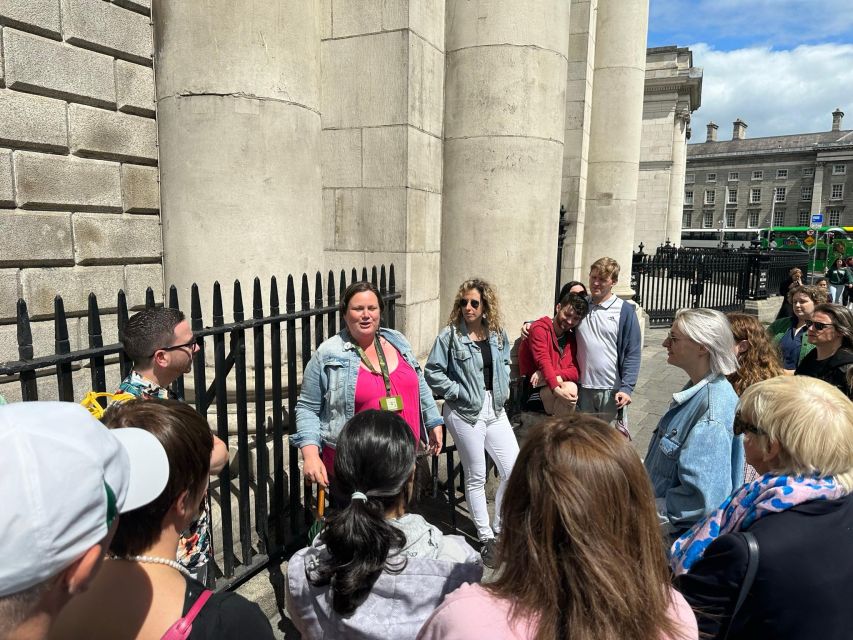
Reviewed · HISTORICAL TOURS
Dublin: LGBT Pride Walking Tour with Queer History
Dublin’s queer story is written into some of its best-known streets. This two-hour walk connects the General Post Office, Liberty Hall, Trinity College, and The George with the people who challenged Ireland’s laws and social rules. You’ll hear about Panti Bliss, Dr Lydia Foy, early Pride protests, and the long road to marriage equality.
I like the tour’s clear link between places and people, and I like its mix of serious history with humor and personal stories. Guide Helena is praised for her warmth, energy, and ability to answer questions. The main consideration is pace: two hours gives you a strong introduction, but not every part of Ireland’s LGBTQ+ story can fit into one city walk.
Key points to know before you book
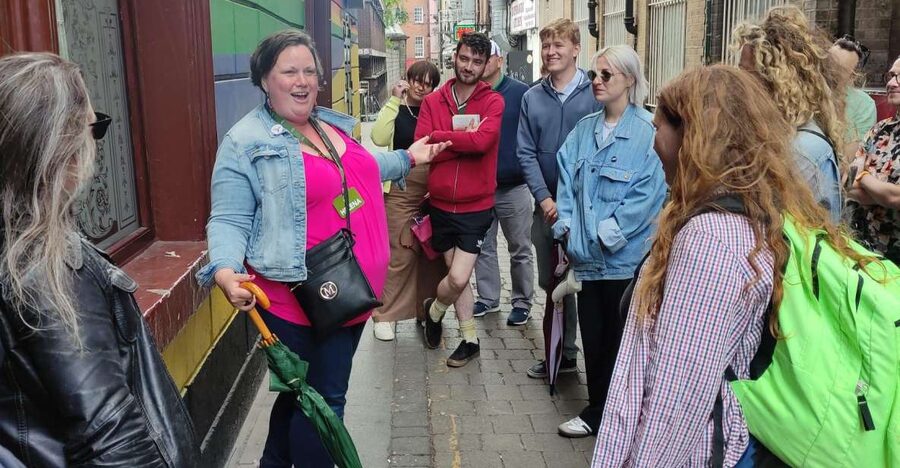
- Liberty Hall marks an early Pride protest: Learn how this important Dublin building connects to the first Pride protest in Ireland.
- Panti Bliss brings recent history to life: The tour links revolutionary figures and civil rights campaigners with one of Ireland’s best-known modern queer voices.
- Dr Lydia Foy’s story explains legal change: Her fight for recognition helps place the Gender Recognition Act in a human setting.
- The route includes major Dublin landmarks: You’ll pass the GPO and Trinity College while considering events that standard sightseeing tours often skip.
- Helena’s style is warm and lively: Her personal stories, humor, and willingness to chat help keep difficult subjects approachable.
- The walk costs $27: For two hours with a live guide and a focused subject, that is fair value if you want more than Dublin’s usual highlights.
Why this Dublin queer history walk matters
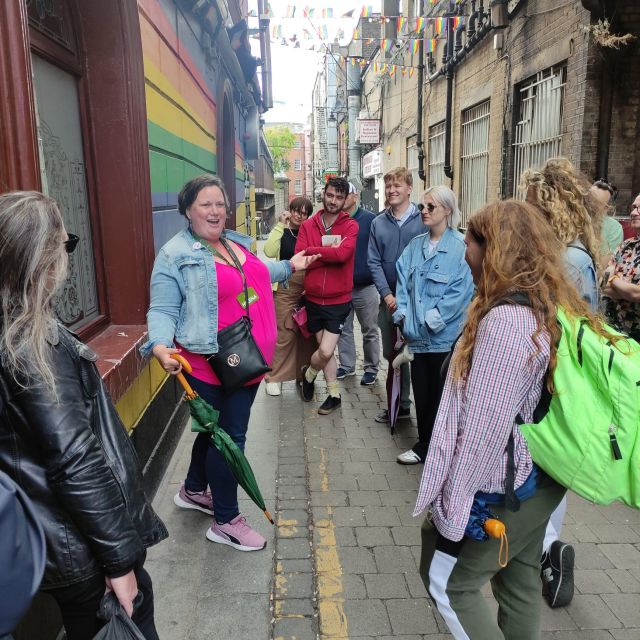
Dublin is easy to read as a city of Georgian doors, literary names, pubs, and revolutionary monuments. This tour asks you to read it another way. It shows how ordinary streets and famous buildings connect to a long struggle for safety, dignity, recognition, and equal rights.
That wider frame is the real reason to book. You are not simply collecting a few LGBTQ+ facts. You are following the shift from exclusion and abuse toward legal recognition and marriage equality. The walk gives you a way to understand how social change happened, and how recently some of it happened.
I also appreciate that the tour does not present progress as a straight, tidy line. Ireland’s queer past is described as checkered, with hard setbacks alongside brave organizing and public victories. That makes the experience more useful than a simple list of famous names.
The subject can be personal and difficult, but the guide’s tone matters. Helena is described as welcoming, genuine, witty, and energetic. Her approach appears to balance painful events with humor and friendly conversation. That is especially helpful on a walking tour, where two hours can feel heavy if every stop is presented in the same solemn voice.
More History Tours in Dublin
- Dublin Historical Centre Food Tour with 8 Food Tastings & Drinks
★ 5.0 · 1,718 reviews - 2-Hour Historical Walking Tour from Dublin
★ 5.0 · 875 reviews - Historical 2-Hour Guided Walking Tour of Dublin
★ 4.7 · 865 reviews
Starting outside the Old Storehouse
Meet your guide directly outside the Old Storehouse Bar & Restaurant. Look for the green umbrella, which gives you a simple visual marker in a busy central area.
The activity begins and ends at the same meeting point. That makes planning easier, especially if you have a restaurant reservation, another walking tour, or an evening event afterward. You do not need to arrange transport between the start and finish.
Wear comfortable shoes. The route lasts two hours and takes place on foot through central Dublin. The tour is listed as wheelchair accessible, though the practical ease of any city walk can depend on pavement conditions, street crossings, and the pace of the group. If access is important to you, it is sensible to confirm the exact route when booking.
The guide speaks English. Since the subject includes names, dates, legal changes, and political events, a good level of English will help you get the most from the walk.
The General Post Office and queer revolutionaries
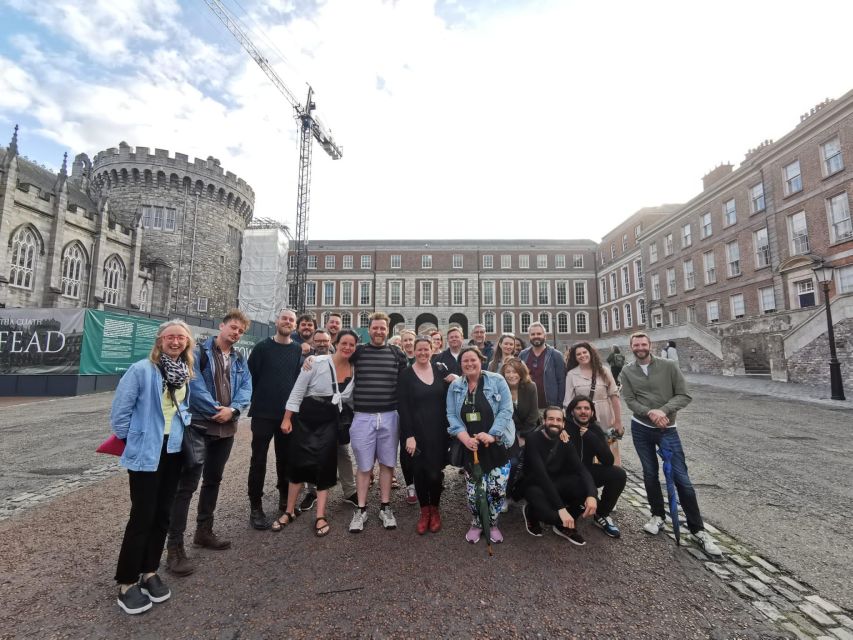
The General Post Office is one of Dublin’s most recognizable landmarks, best known for its role in the 1916 Rising. Here, the tour adds another layer by discussing revolutionary queer figures, including Panti Bliss.
That pairing is useful. You see how queer people have been part of Ireland’s political and cultural story, even when standard accounts leave them out. The GPO is not treated only as a monument to national independence. It becomes a place for asking who gets remembered as a revolutionary, and whose contribution is left in the margins.
Panti Bliss gives the discussion a modern, public voice. She is widely known in Ireland as a performer and campaigner, and the tour uses her story to connect public speech, protest, identity, and political change. You can expect the guide to place her within a broader account of Ireland’s movement for equal rights, rather than treating her as an isolated celebrity.
This is one of the walk’s strengths. Famous buildings provide the setting, but the focus stays on people and movements. You leave the GPO with more than another photograph. You have a clearer idea of how queer activism fits into Dublin’s national story.
Liberty Hall and the first Pride protest
Liberty Hall is one of the key stops because it is linked with Ireland’s first Pride protest. The building already carries strong associations with labor and political action, so its connection to LGBTQ+ protest makes the stop especially meaningful.
The tour explains how public demonstrations helped move queer rights from private conversation into visible political action. That shift matters. A protest is not only a gathering. It challenges the idea that discrimination can remain hidden, ignored, or treated as someone else’s problem.
At Liberty Hall, you can expect the guide to discuss the people who helped start Pride activity in Ireland and the risks involved in asking for recognition at a time when acceptance was far less certain. The story gives context to the colorful, celebratory side of modern Pride. Before large public celebrations became familiar, Pride also meant confrontation, courage, and the demand to be seen.
This stop may be one of the most moving parts of the route. It also shows why a focused tour can add value to a normal Dublin sightseeing day. You might pass Liberty Hall on your own and see an important building. With a guide, you get the political and personal meaning attached to it.
More Walking Tours in Dublin
- Dublin Highlights and Hidden Gems Guided Walking Tour
★ 5.0 · 6,020 reviews - Dublin: Highlights and Hidden Gems Walking Tour
★ 4.9 · 2,140 reviews - 1916 Rebellion Walking Tour
★ 5.0 · 1,605 reviews - 90 Minute Dublin Walking tour and Sightseeing tips
★ 5.0 · 916 reviews
Dr Lydia Foy and the fight for legal recognition
Dr Lydia Foy’s story brings the question of gender recognition into sharp focus. The tour explains her fight and connects it to Ireland’s Gender Recognition Act.
This part of the walk is important because legal change can sound abstract when you only hear the name of an act. A personal story shows what legal identity means in daily life. It can affect documents, official dealings, privacy, and the ability to move through society without having your identity questioned.
The account of Dr Foy also helps you see that equal rights did not arrive all at once. Ireland’s change from exclusion toward recognition involved persistent individual action, legal pressure, and public debate. A two-hour tour cannot cover every legal detail, but it can show why the change mattered and how long people had to fight for it.
I would pay close attention here. This may be less familiar to many visitors than the story of Pride or the name Panti Bliss, yet it is one of the clearest examples of how a single person’s campaign can help change national policy.
Trinity College and the Sexual Liberation Movement
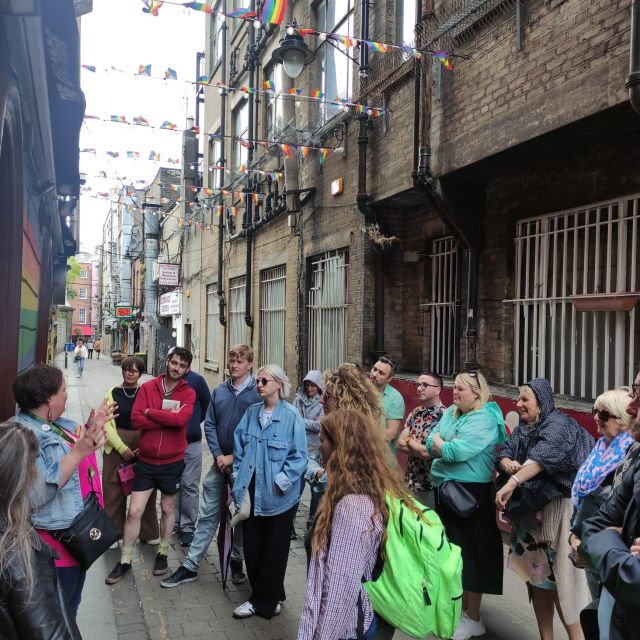
The walk passes Trinity College while discussing the Sexual Liberation Movement. The setting is fitting. Trinity is a major Dublin institution, and the discussion places queer activism within the wider fight for sexual freedom and personal autonomy.
The stop is not simply about the college’s architecture or famous graduates. It helps explain the changing ideas that shaped modern Ireland. The Sexual Liberation Movement challenged older attitudes toward sexuality and demanded a more open public conversation.
For you, the value is the connection between social movements. LGBTQ+ rights did not develop in isolation from wider arguments about privacy, gender, relationships, and bodily freedom. The guide links those strands as you walk, giving you a better sense of how cultural change spreads through institutions and public debate.
Trinity is also a useful visual pause in the route. You get a major Dublin landmark without losing the tour’s central subject. The tradeoff is that this is a walking discussion rather than a college visit. Do not expect entry to Trinity or a detailed look inside its buildings. The focus is the movement and its place in Dublin’s story.
The Hirschfeld Centre and Diceman’s Corner
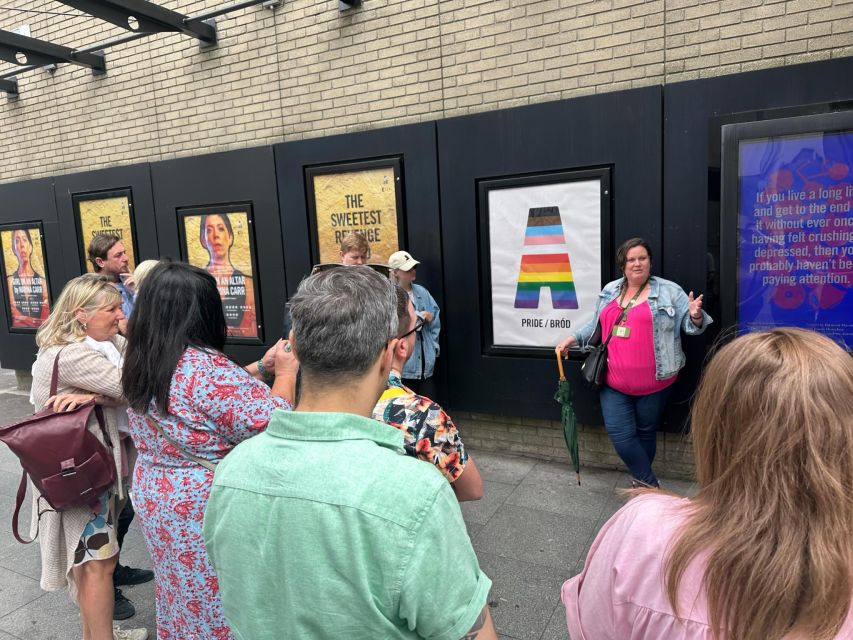
The Hirschfeld Centre and Diceman’s Corner are among the more specialized stops. They may not mean much to you before the tour, which is exactly why a guide adds value here.
The Hirschfeld Centre connects the route to organized LGBTQ+ community life. A stop like this can show how movements need places to meet, share information, build support, and create a sense of belonging. Public protest gets attention, but community spaces help people keep working after the banners are folded away.
Diceman’s Corner adds another piece to the city’s queer past. The name may be unfamiliar to many first-time visitors, and the guide’s explanation gives it a place within Dublin’s LGBTQ+ story. You can expect the walk to move between public landmarks and locations with a more specific community connection.
These stops are also a reminder that queer history is not only about court cases or large marches. It includes social spaces, local networks, cultural life, and the places where people found one another. That human scale helps keep the tour from becoming a dry political lecture.
The George, Dublin’s best-known LGBTQ+ venue
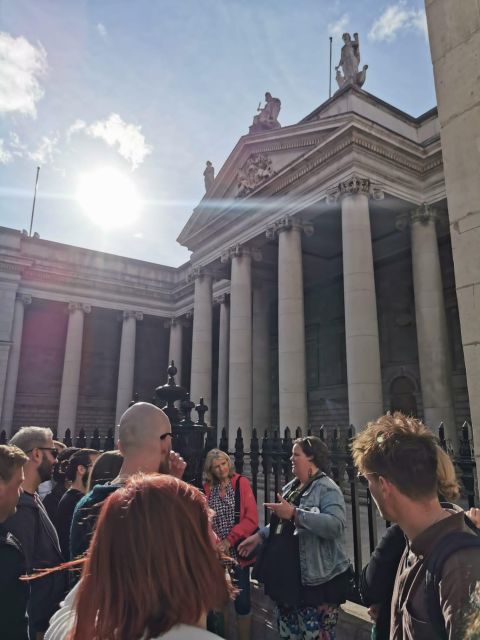
The route includes The George, described as Ireland’s most iconic LGBTQ+ venue. This is a lively and accessible way to finish the main sequence of queer landmarks.
A venue such as The George represents the social side of community life. Legal rights and political campaigns matter, but so do the places where people can meet, celebrate, perform, and feel at home. The stop helps balance the more painful parts of the tour with a reminder of joy and public presence.
You are passing by rather than booking a night out as part of the activity. That distinction is worth keeping clear. The tour does not include food, drinks, entry, or a performance. It simply places The George within Dublin’s LGBTQ+ story.
For many people, this will be a memorable stop because it makes the subject feel current and visible. The tour looks back at earlier struggles, but it does not leave queer history safely in the past. It connects those struggles with present-day community life.
Helena’s guiding style and what you can expect
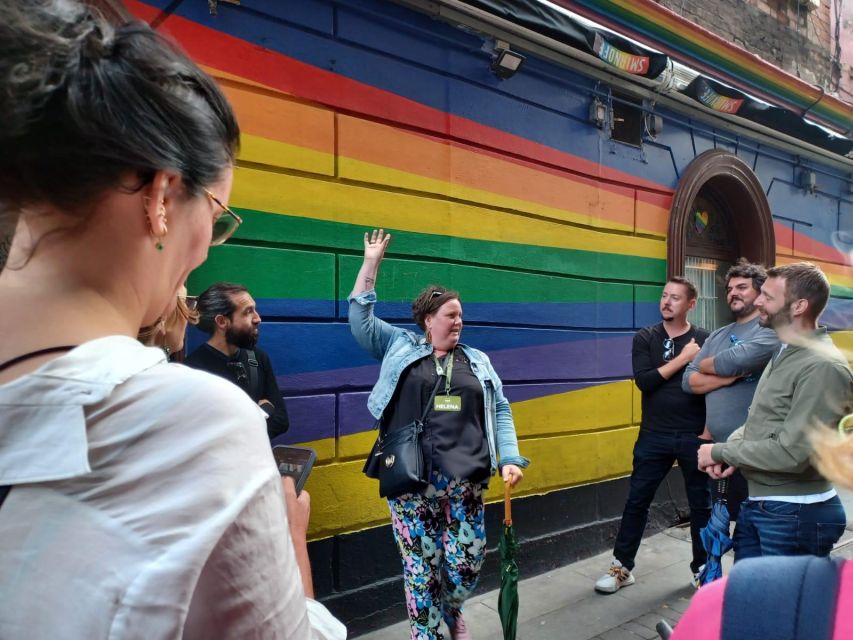
Helena is the guide most often named in the feedback provided for this experience. Her strengths are clear: she is described as warm, funny, passionate, energetic, and easy to talk with. Her personal anecdotes add a human touch, while her answers to questions help the walk feel like a conversation rather than a speech.
That matters on a subject with both public and personal dimensions. You will hear difficult stories, but you can also expect a welcoming tone and some humor. One particularly useful detail is that Helena has been praised for chatting with people between stops, not only delivering prepared information at fixed points.
The walk seems suitable for a mixed-age group. It has been enjoyed by a parent and teenage son, which suggests the presentation can work for younger visitors as well as adults. Still, the subject includes discrimination, abuse, and legal exclusion. Parents should decide if that material suits their children.
The guide’s energy is also a practical advantage. Two hours is enough time to cover many names and places, but it can feel long if the delivery is flat. Helena’s style appears to keep the pace moving while leaving room for questions.
Is $27 a fair price?
At $27 per person, this is reasonably priced for a two-hour guided walking tour in central Dublin. You are paying for a live English-speaking guide and a carefully chosen subject, not for transport, food, or admission to attractions.
The value depends on your interests. If you already know Dublin’s queer history well, you may find the introduction too brief. If you want to understand the city beyond the usual literary and revolutionary stories, the price is easier to justify. The route covers several locations that you might not interpret on your own, and the guide provides the links between them.
I see this as good value for a first look, especially early in your Dublin stay. It can give you a stronger sense of the city and help you decide which places or stories you want to explore further on your own.
The flexible booking terms also reduce the risk. You can reserve now and pay later, and cancellation is free up to 24 hours before the activity for a full refund. Those details do not change the tour itself, but they are useful if your Dublin plans are still moving around.
Who should book this walking tour?
I would recommend it to anyone who wants LGBTQ+ history treated as part of Ireland’s main story, not as a side note. It suits first-time Dublin visitors, people interested in civil rights, and anyone who prefers a walking tour built around people and ideas rather than a long list of buildings.
It is also a good choice for visitors who have already seen the GPO, Trinity College, and central Dublin but want to understand them differently. The familiar sights provide orientation while the guide supplies material you are unlikely to get from a standard city tour.
The tour may be less suitable if you want a broad overview of all Dublin history, an interior visit to Trinity College, or a nightlife experience. It is a focused, two-hour walk. The subject is LGBTQ+ history and equality, and the route is designed to tell that story efficiently.
Final call: book it for context, not just sightseeing
Book this tour if you want Dublin’s streets to carry more meaning by the end of your visit. The strongest parts are the links between Liberty Hall and early Pride, Dr Lydia Foy and legal recognition, and The George and everyday community life.
I especially like the balance of famous places, lesser-known sites, serious history, and Helena’s warm delivery. At $27, it offers a solid introduction and a personal way to understand Ireland’s movement toward equality. Just bring comfortable shoes, arrive at the Old Storehouse with an eye out for the green umbrella, and allow the two hours to be thoughtful as well as enjoyable.
FAQ
Where does the LGBT Pride walking tour start?
The tour starts directly outside the Old Storehouse Bar & Restaurant in Dublin. Look for a guide carrying a green umbrella.
Where does the walking tour finish?
The tour ends back at the meeting point outside the Old Storehouse Bar & Restaurant.
How long does the Dublin queer history tour last?
The tour lasts two hours. Starting times vary, so check availability when booking.
What language is the tour conducted in?
The live guided tour is conducted in English.
Is the walking tour wheelchair accessible?
Yes, the activity is listed as wheelchair accessible.
What should I bring?
Bring comfortable shoes because the experience is a two-hour walking tour through Dublin.
Which Dublin landmarks are included?
The route includes the General Post Office, Liberty Hall, Trinity College, the Hirschfeld Centre, Diceman’s Corner, and The George.
Which LGBTQ+ figures are discussed?
The tour includes stories about Panti Bliss, Dr Lydia Foy, and other important figures in Ireland’s LGBTQ+ history.
Does the tour include entry to The George or other venues?
The activity includes a guided walking tour and a guide. Entry, drinks, food, and other extras are not listed as included.
Can I cancel the booking?
Yes. You can cancel up to 24 hours in advance for a full refund. You can also reserve now and pay later.
Just added around Dublin
- Women Of Ireland: Trailblazers & Pioneers★ 5.0 · 4 reviews
- Whiskey Tasting Tour of Dublin★ 5.0 · 117 reviews
- Premium Irish Whiskey Tasting Hosted by Local Dublin Expert★ 5.0 · 77 reviews
- Historical Walking Tour of Dublin★ 5.0 · 50 reviews
- Dublin (Dun Laoghaire) Top-Rated Coastal Walking Tour★ 5.0 · 80 reviews
- Semi-Private (8people max) 2.5 Hr Dublin Walking Tour★ 5.0 · 69 reviews
- Private Ultimate Day in Dublin (Walking Tour)★ 5.0 · 30 reviews
- DayTripper Dublin: A Guided City Walking Tour★ 5.0 · 90 reviews
Historical Tours, compared.

Dublin Historical Centre Food Tour with 8 Food Tastings & Drinks
Our verdict on it →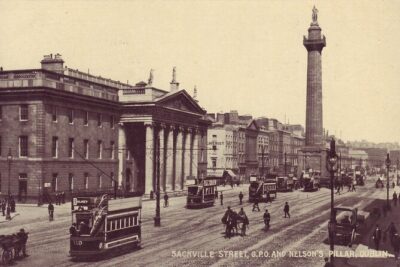

Dublin to Cork, Blarney Castle & Cóbh Heritage Centre by train
Our verdict on it →
Jeanie Johnston Tall Ship Irish Famine History Tour
Our verdict on it →

Deliciously Dublin: The Artisan Donut Walking & History Tour
Our verdict on it →
Browse the lists this tour appears in