
Reviewed · GHOST TOURS
Dublin: North Quay Guided Ghost Walk
Dublin’s northside has more than pubs and Georgian doors. Beneath ordinary streets sit ruined monasteries, execution grounds, old thieves’ haunts, and houses said to hold several ghosts at once. This North Quay ghost walk uses those places to tell a darker side of the city, with plenty of real history mixed into the spooky tales.
I like the way the walk reaches parts of medieval Oxmantown that many visitors skip, and I like that the guides lean on humor and storytelling rather than costumes or theatrical scares. The main thing to consider is tone: this is often as much a Dublin history walk as a ghost tour, and the advertised duration varies between 1.5 and 2 hours.
Key points to know before booking
- Saint Mary’s Abbey: See the small surviving ruin of one of medieval Ireland’s most powerful monastic settlements.
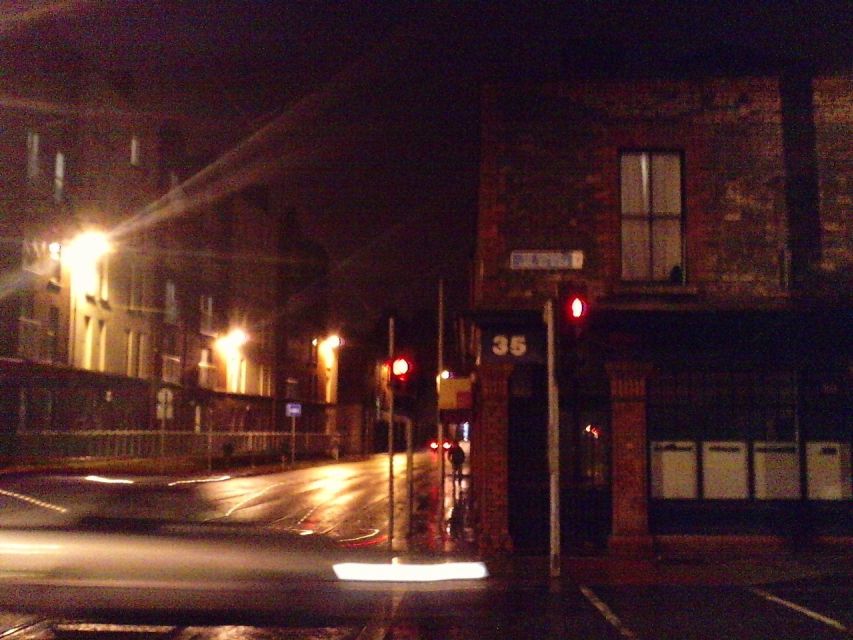
- Hendrick Street: Hear stories tied to numbers 7 and 8, once linked with six different ghosts.
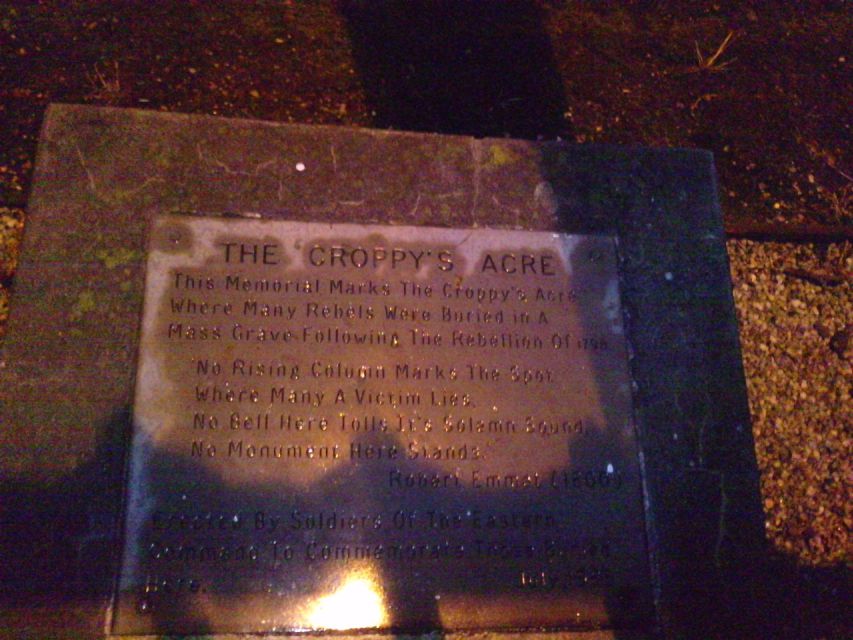
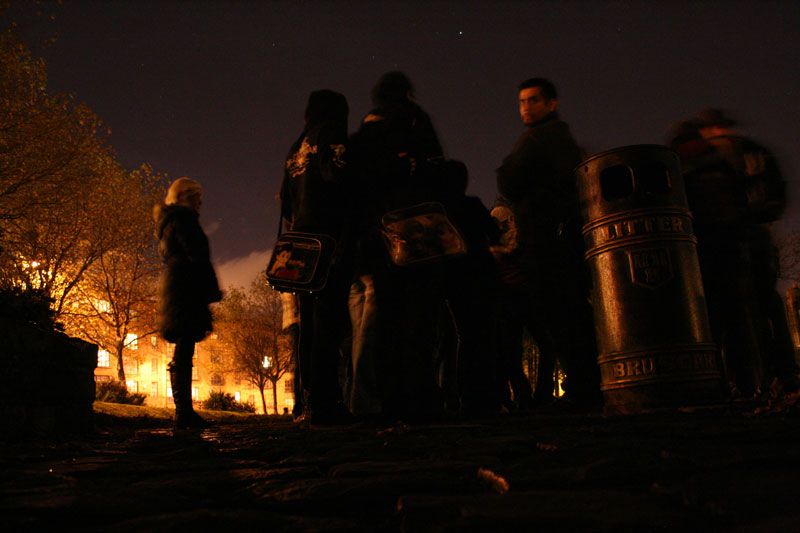
- Croppie’s Acre: Visit the site of a mass grave connected with rebels executed after the 1798 rebellion.
- Northside history: Learn about Viking enclaves, medieval thief Scaldbrother, and Dublin’s changing streets.
- Storytelling style: Expect witty, well-researched guides, with little reliance on theatrical effects.
- Evening comfort: Wear sturdy, comfortable shoes and allow extra time if the walk runs closer to two hours.
What this Dublin ghost walk is really like

The tour begins outside The Church Bar and Restaurant on Mary Street, then returns to the same meeting point. That makes it easy to fit into an evening in central Dublin, though you should confirm the exact starting time when booking.
At $28 per person, the price is fair if you want more than a string of ghost stories. You are paying for a guided walk through less familiar parts of Dublin, with stories about religion, rebellion, crime, folklore, and local memory. If you want polished special effects or a haunted-house experience, this is not that kind of outing.
The atmosphere depends heavily on the guide and the season. In summer, daylight can last past 9 p.m., which softens the spooky mood. In darker months, the same streets can feel much more suitable for ghost lore, though you will want weather-ready clothing.
More Walking Tours in Dublin
- Dublin Highlights and Hidden Gems Guided Walking Tour
★ 5.0 · 6,020 reviews - Dublin: Highlights and Hidden Gems Walking Tour
★ 4.9 · 2,140 reviews - 1916 Rebellion Walking Tour
★ 5.0 · 1,605 reviews
Saint Mary’s Abbey and medieval Oxmantown
One of the strongest parts of the walk is its attention to what sits just out of sight. Saint Mary’s Abbey was once one of the most powerful monastic settlements in medieval Ireland. Today, only a small ruin remains down an alley, easy to miss as commuters pass nearby.
That contrast gives the stop its force. You are not being led to an isolated castle or a preserved medieval village. You are standing in modern Dublin, looking at a fragment of a major religious center that has been absorbed by the city.
The walk also introduces medieval Oxmantown and former Viking enclaves. This helps you picture Dublin before its streets took their current form. The ghost stories work better when you understand the older city beneath them, and this early part gives the rest of the route a useful setting.
I would pay close attention here even if you are less interested in ghosts. The abbey stop offers a quick lesson in how Dublin’s medieval remains survive in small, easily overlooked spaces.
Hendrick Street and Dublin’s haunted houses

Hendrick Street supplies one of the walk’s clearest supernatural set pieces. Between numbers 7 and 8, the houses were associated with no fewer than six different ghosts.
The appeal is not just the number. It is the ordinary setting. You are looking at residential street numbers rather than entering a dramatic ruin, and the guide has to make the place vivid through words, pacing, and local detail.
This is where the quality of the guide matters most. Guides who have led the walk, including Kate, Darragh, Matthew, and Derek, have been praised for strong storytelling, humor, and a good command of Dublin’s past. Individual guides can vary, of course, but the best version of this stop should feel like a story shared on a nighttime walk, not a forced scare.
Do not expect actors jumping from doorways. The walk’s appeal comes from hearing what supposedly happened and deciding how much of it you believe. That approach suits people who like folklore with a side of skepticism.
Croppie’s Acre and the 1798 rebellion
Croppie’s Acre shifts the mood from ghostly curiosity to something more solemn. The site was later used as a football pitch in the 20th century, but below it lies a mass grave connected with hundreds of rebels executed after the 1798 rebellion.
This is one of the most valuable stops because it shows how a place can carry several layers of memory. A sports field may look ordinary, yet the ground has a much darker past. The guide connects the site to the political violence of the rebellion, giving you more than a simple supernatural anecdote.
The stop may also explain why this tour can feel like a history walk with ghost stories. Some of the most memorable material is not frightening in the usual sense. It is unsettling because it points to executions, loss, and the way painful events can fade from daily view.
If you have children in your group, use your judgment. The material concerns death and mass burial, and the overall tour is aimed at people comfortable with macabre subjects.
More ghost walks after dark in Dublin:
- Dark Dublin: Torture, Murder & Mystery
★ 5.0 · 2,231 reviews - Dublin Ghost Bus Tour with Professional Actors
★ 4.5 · 949 reviews - Haunted Dublin Walking Tour
★ 5.0 · 550 reviews - From Dublin: Gravedigger Ghost Bus Tour
★ 4.4 · 546 reviews
Scaldbrother, thieves, and the criminal past
The tour also brings in Scaldbrother, an infamous medieval thief. This adds welcome variety to the route. Not every story is about a spirit, and that keeps the walk from becoming repetitive.
Stories about thieves and old criminals help explain how dangerous or disorderly parts of medieval Dublin could be. They also give the guide room for humor and colorful details. The best guides use these tales to show how people lived, stole, punished one another, and made reputations long before modern Dublin took shape.
One guide was praised for offering a fresh view of present-day Ireland alongside the older stories. That sort of connection can make the walk feel less like a museum lecture. You hear about the past, then notice how the same streets function now.
The criminal tales are also useful if you have already taken a standard central Dublin sightseeing walk. This route offers a different angle on the city, with its focus on overlooked northside streets and the people who lived outside official history.
Saint Michan’s mummies and Bram Stoker
The walk tells you about the mummies of Saint Michan’s Church, described as one of Ireland’s most macabre attractions. The church is also linked with Bram Stoker, the Dublin-born author of Dracula, who was inspired in part by the city’s darker stories and sights.
Based on the route information, you hear about Saint Michan’s rather than necessarily touring the mummies inside. That distinction matters. If seeing the crypt is a priority, treat this stop as background information and plan a separate visit if available during your stay.
Still, the connection adds texture to the tour. Dublin’s ghost lore is not limited to one haunted house or one dramatic legend. It grows from old churches, preserved bodies, rebellion sites, criminal stories, and the imagination of writers who knew the city well.
I like this section because it links local places with a wider cultural story. You get a sense of why Dublin can produce tales that feel both grim and literary.
The Virgin Mary apparition and newer ghost lore
Not every story belongs to the medieval past. The walk also visits the site of a 21st-century apparition of the Virgin Mary.
That modern example keeps the tour from becoming a simple trip through ancient ruins. It shows that stories of visions and supernatural encounters continue to form around ordinary places. You can approach the tale as faith, folklore, local rumor, or an example of how communities make meaning from unusual events.
For visitors who know Dublin mainly through its older buildings, this offers a useful change of pace. It reminds you that the city’s supernatural traditions are not frozen in the past.
The guide’s approach matters here too. A good storyteller can present the account without telling you what to believe. Several guides have been praised for being funny and informative without pushing theatrical effects, which is the right balance for this kind of material.
Why the guides make or break the experience
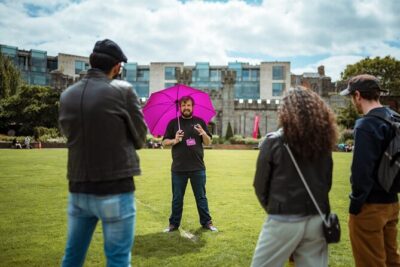
The strongest praise for this walk goes to the guides. Kate has been singled out for answering questions, adding extra Dublin facts, and suggesting other places to visit after the tour. Darragh has been praised for his personable manner and storytelling, while Matthew was noted for being informative, funny, and full of good stories. Derek has also been praised for knowing a large number of details.
Those comments point to the real product here: the person leading the walk. The route alone is not enough. Saint Mary’s Abbey is easy to overlook, and a street number is just a street number until someone gives it context.
You should also expect different personalities. Some guides may lean more toward comedy, others toward historical detail. One guide was criticized for getting some facts wrong and filling gaps with invented material, especially noticeable to people from Dublin. That appears to be a minority concern, but it is worth keeping in mind if you want strict historical precision.
The overall style is generally conversational rather than theatrical. Drunken passersby or skeptical teenagers may interrupt the atmosphere on a busy night, but that is part of walking through a real city rather than a staged attraction.
Group size, walking time, and practical comfort
The walk lasts 1.5 hours according to the activity details, while the route description and some experience notes refer to about two hours. Plan for the longer estimate so you are not rushed afterward.
You remain on your feet for most of the route. Comfortable shoes matter, especially if the walk reaches the two-hour mark. The route takes place outdoors and runs through city streets, so the weather can affect your enjoyment.
One useful detail is that smaller groups may allow more questions and a closer connection with the guide. A small outing before Easter gave one group plenty of opportunity to ask questions. Larger groups can still work, and one account specifically noted that the guide could be heard clearly, but the experience may feel less personal.
The tour starts and ends at The Church Bar and Restaurant on Mary Street. Since you return to the same place, you can easily continue with a drink or meal nearby, although the tour price includes only the guided walk.
Who should book this tour
I would choose this walk if you want to see a less familiar side of Dublin and enjoy stories that sit between documented history and local folklore. It suits couples, families with older children, solo visitors, and repeat Dublin visitors who have already covered the main sights.
It is also a good orientation walk for a first visit. The guide may point out places worth returning to during daylight, and the stories can make later visits to parts of the city more meaningful.
You may want to skip it if you dislike walking at night, have no interest in ghost stories, or want a strictly academic account of Dublin’s past. The walk includes history, but some tales are clearly shaped by oral tradition and storytelling.
It is not especially frightening in a horror-attraction sense. The mood is spooky, but the experience relies on stories, locations, and the guide’s delivery. That makes it approachable for people who want atmosphere without jump scares.
Price, booking flexibility, and value
At $28 per person, the tour offers reasonable value for a guided outing lasting roughly 1.5 to 2 hours. The value improves if you treat it as both a northside orientation and a ghost walk. You see places you might otherwise pass without noticing and gain stories that can shape the rest of your time in Dublin.
The price is less attractive if you want a short, highly theatrical scare show. Nothing in the experience suggests elaborate props, actors, or special effects. You are paying for the route and the guide’s ability to bring old places to life.
You can reserve now and pay later, which helps if your Dublin schedule is still shifting. Cancellation is free up to 24 hours before the tour for a full refund. The live tour is in English.
Should you book the North Quay Ghost Walk?
Book it if you want history first, ghost stories second, with a funny guide, a walk through overlooked northside streets, and stops tied to monasteries, rebels, thieves, mummies, and modern visions.
Skip it if you need a polished haunted attraction or a fully verified academic lecture. For most visitors, the best reason to go is the mix: you get a memorable evening walk, a fresh look at medieval and modern Dublin, and enough eerie material to make familiar streets feel less ordinary.
FAQ
Where does the Dublin North Quay Guided Ghost Walk start?
The walk starts outside The Church Bar and Restaurant on Mary Street.
Where does the tour finish?
The tour ends back at the meeting point outside The Church Bar and Restaurant.
How long does the ghost walk last?
The activity details give a duration of 1.5 hours. The route description and some tour accounts refer to about two hours, so allow extra time.
What language is the tour conducted in?
The live guided tour is conducted in English.
How much does the tour cost?
The listed price is $28 per person.
What is included in the price?
The price includes the guided walking tour.
Does the tour visit Saint Mary’s Abbey?
The route includes the site of Saint Mary’s Abbey, where a small ruin remains from the former medieval monastic settlement.
What is Croppie’s Acre?
Croppie’s Acre is a site connected with a mass grave holding hundreds of rebels executed during the 1798 rebellion. The area was later used as a football pitch in the 20th century.
Will I hear about Saint Michan’s mummies?
Yes. The tour includes stories about the mummies of Saint Michan’s Church, though the supplied tour details do not state that the walk enters the church or crypt.
Can I cancel for a refund?
You can cancel up to 24 hours before the tour for a full refund.
Just added around Dublin
- Women Of Ireland: Trailblazers & Pioneers★ 5.0 · 4 reviews
- Whiskey Tasting Tour of Dublin★ 5.0 · 117 reviews
- Premium Irish Whiskey Tasting Hosted by Local Dublin Expert★ 5.0 · 77 reviews
- Historical Walking Tour of Dublin★ 5.0 · 50 reviews
- Dublin (Dun Laoghaire) Top-Rated Coastal Walking Tour★ 5.0 · 80 reviews
- Semi-Private (8people max) 2.5 Hr Dublin Walking Tour★ 5.0 · 69 reviews
- Private Ultimate Day in Dublin (Walking Tour)★ 5.0 · 30 reviews
- DayTripper Dublin: A Guided City Walking Tour★ 5.0 · 90 reviews
Ghost Tours, compared.

Dublin Ghost Bus Tour with Professional Actors
Our verdict on it →

Hidden Dublin: Haunted History Walking Tour v2.0 2026
Our verdict on it →
Browse the lists this tour appears in