
Reviewed · NEWGRANGE AND BOYNE VALLEY TOURS
From Dublin: Celtic Boyne Valley and Ancient Sites Tour
The oldest stop comes first in spirit, even if not first on the road: Loughcrew’s 5,000-year-old passage tombs, set high above County Meath. You also visit Tara, where Ireland’s High Kings were crowned, and Fore Abbey, a ruined monastery with a remarkable story of survival.
I like the mix of places: ancient tombs, a medieval castle, a ruined abbey, and a family distillery all fit into one day. I also like how much the guide adds. Flann, Alec, Jonathan, Brendan, David, and others are praised for lively stories, local context, and good timing. The drawback is a long day with walking and hills, especially the steep climb at Loughcrew. Trim Castle admission and lunch are extra.
Key points at a glance
- Loughcrew requires a steep climb: Wear solid shoes and bring a jacket for the exposed summit.
- Four very different sites: You move from Neolithic tombs to Tara, Trim Castle, Fore Abbey, and a working distillery.
- The guide shapes the day: Guides such as Flann, Alec, Jonathan, and David provide history, humor, and commentary during the drives.
- Trim Castle costs extra: The tour includes time at Trim, but castle admission is not included in the stated price.
- Lunch is optional: Fore Distillery and Barrel & Bean Café offer a convenient food stop, but lunch is not part of the tour price.
- Useful bus comforts: The air-conditioned coach has Wi-Fi and USB ports, handy on a 10-hour outing.
Dublin gives you a fine introduction to Ireland, but County Meath takes you into an older, quieter world. This full-day tour covers the Boyne Valley and nearby sites tied to prehistoric burial, early Christianity, medieval power, and modern craft spirits.
At $74 per person, the outing offers strong value if you want to see several major places without renting a car. Transport from central Dublin, an English-speaking driver-guide, entry to Loughcrew, Tara, Fore Abbey, and the distillery experience are included. The main costs to watch are Trim Castle admission and lunch.
You leave from the Molly Malone statue on Suffolk Street in Dublin 2 and return there after roughly 10 hours. That makes the trip easy to fit into a Dublin stay, but it also means you should expect a full day rather than a relaxed half-day excursion.
Leaving Dublin for County Meath
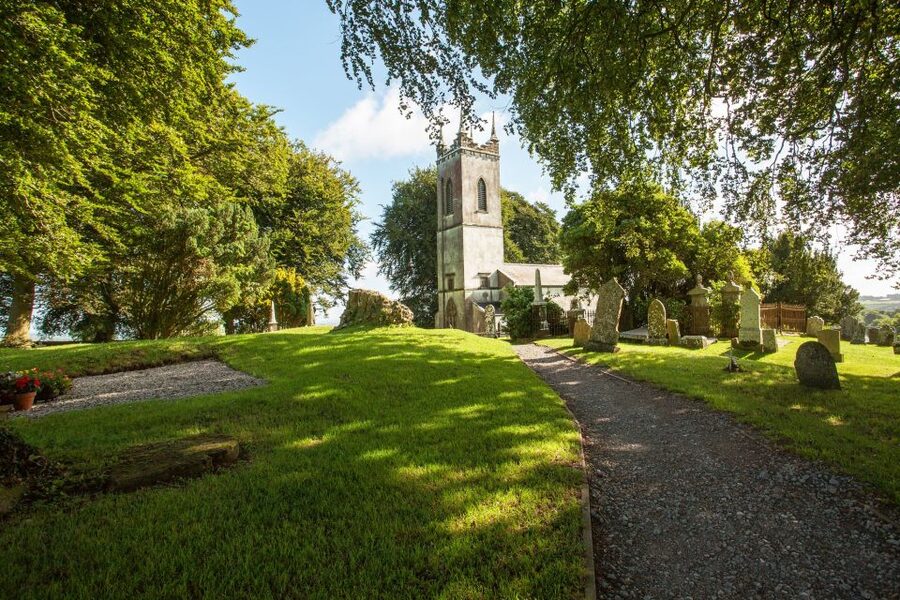
The meeting point is the Molly Malone statue outside the old stone church on Suffolk Street. Arrive at least 10 minutes before departure. After boarding, you have about 30 minutes by bus before the first major stop.
The vehicle is air-conditioned and has Wi-Fi and USB ports. Those details matter on a long route with several drives, especially if you are using your phone for photos or notes. Bring snacks anyway. The day includes a café stop, but food is not included and the timing may not suit everyone.
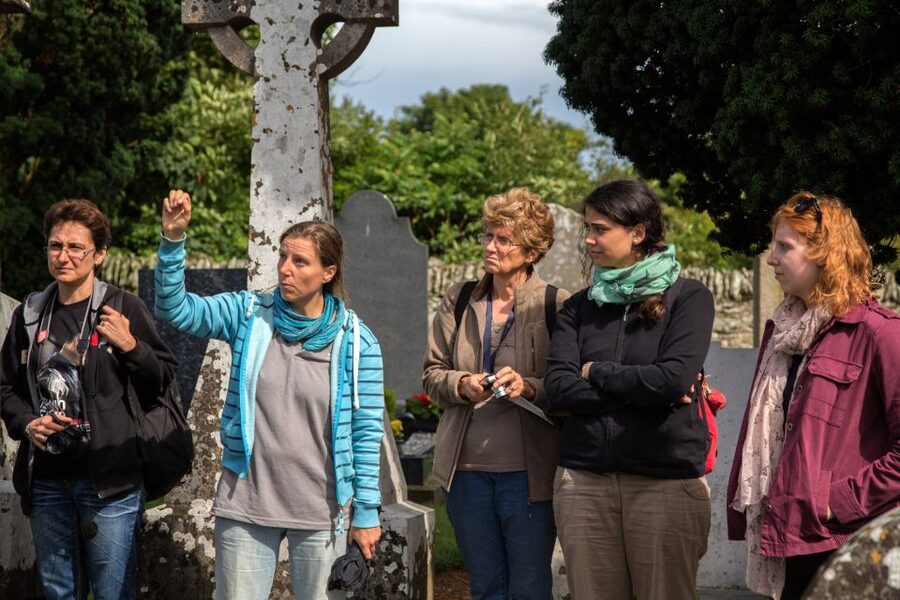
One of the most praised parts of the experience is the commentary between sites. Guides have pointed out places around Dublin, explained Irish history along the road, and added personal stories and recommendations. A good guide turns the bus from simple transport into part of the tour. Flann is often singled out for warmth and humor, while Alec is praised for explaining both the main sites and places passed along the way. Jonathan, Brendan, and David also receive strong praise for keeping the day moving.
The exact guide can vary, so do not book solely around one name. The important point is that the experience depends heavily on the person at the microphone. The strongest guides combine facts with stories and leave you enough time to explore alone.
More Newgrange and Boyne Valley trips:
- Celtic Boyne Valley & Ancient Sites Day Tour From Dublin
★ 4.5 · 865 reviews - Dublin: Boyne Valley with Newgrange and Bru Na Boinne Entry
★ 4.7 · 635 reviews - Dublin to Newgrange, Monasterboice Small Group Guided Tours
★ 4.5 · 500 reviews
Hill of Tara and the old seat of kings
The Hill of Tara is the first substantial stop, with about an hour for a visit, guided explanation, and photographs. This broad hilltop is linked with Ireland’s High Kings and was a ceremonial and political center long before the medieval castle age.
The key features include the Coronation Stone and the An Forradh monument. The appeal here is not a single grand building. Tara is about the setting, the old earthworks, and the sense of power attached to a place used for ceremony.
You get wide views over the surrounding countryside from the hill. On a clear day, this is one of the most rewarding photo stops. It also helps you understand why elevated ground mattered to early rulers: the position gave a broad view and a strong symbolic presence.
Do not expect a preserved palace or a museum-style display. Tara is an open historic site, and much of what you see consists of grassy mounds and earthworks. The guide is important here because the meaning of the site is not always obvious when you first look at it.
You should also dress for changeable weather. The hill is exposed, and the tour information specifically recommends warm clothing, sunglasses, an umbrella, and rain gear. Irish weather can offer all of those conditions in one afternoon.
Trim Castle and medieval Ireland
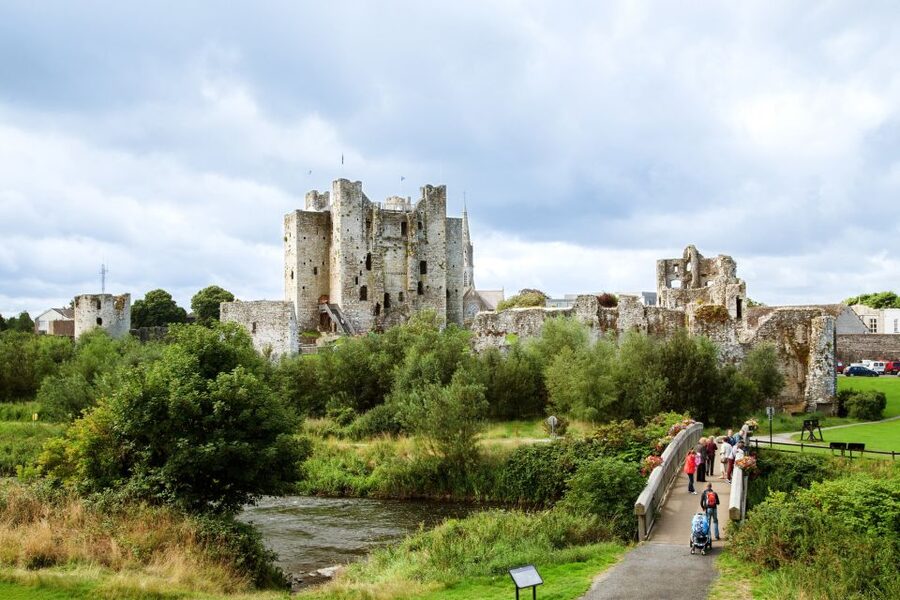
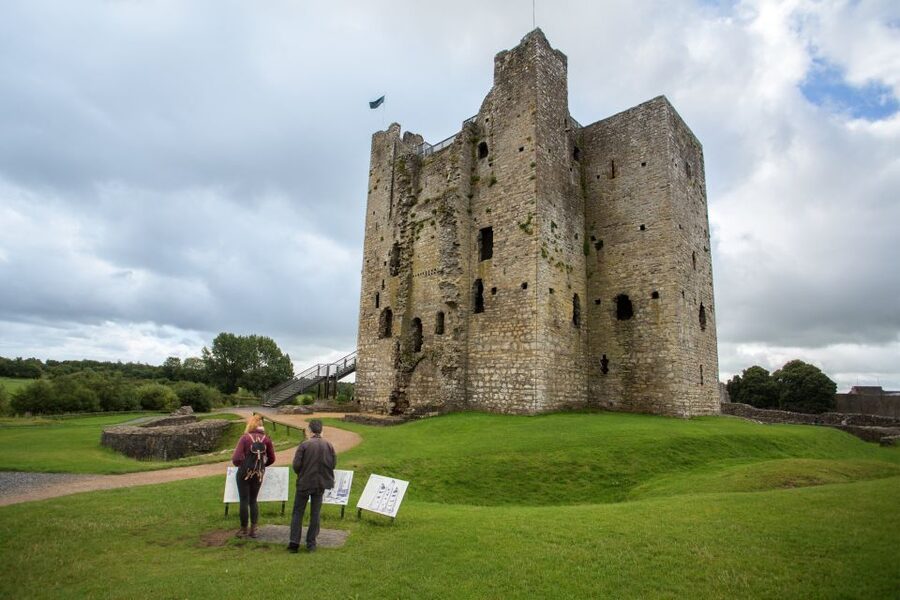
From Tara, the bus continues to Trim Castle, with about 70 minutes for the stop. Trim is one of Ireland’s largest Anglo-Norman castles and dates from the 13th century. Its huge three-story keep, stone walls, and wide grounds give you a much stronger visual impression of medieval power than Tara can.
This is probably the most immediately recognizable stop on the tour. The castle has the scale that many people hope for when they picture medieval Ireland. You have time to take photographs, walk through the grounds, and get a guided introduction to the site.
There is one important money detail: Trim Castle entry is not included. The tour includes the visit and time at the castle, but you should check the current admission arrangement when booking and budget for the additional fee.
That distinction can affect the tour’s value. If you are content to see the exterior and grounds, the stop still gives you plenty. If you want to enter the keep, plan to pay extra. The available 70 minutes is useful, but it is not an unlimited castle visit, so keep an eye on the meeting time.
The contrast with Tara is one of the day’s strengths. At Tara, you are looking at a much older ceremonial hill. At Trim, you see a physical fortress built to control territory. The two stops show different kinds of power in Ireland, and the change keeps the day from feeling repetitive.
Loughcrew Cairns and a 5,000-year-old tomb
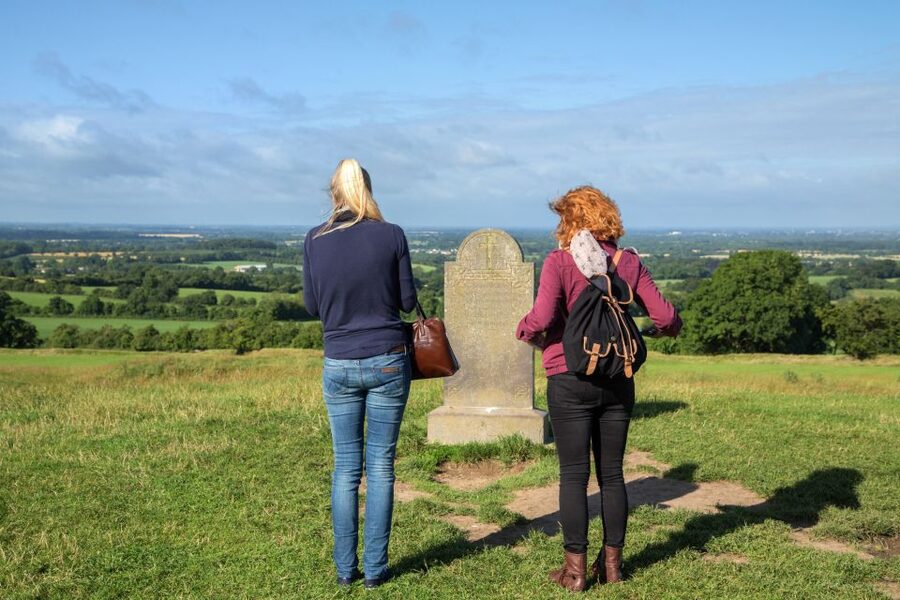
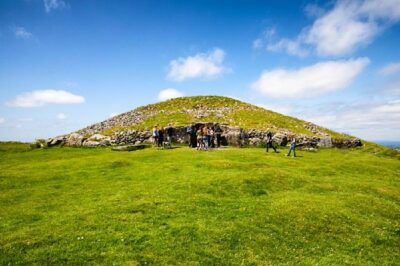
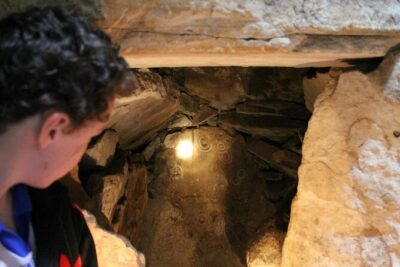
Loughcrew is the most physically demanding stop. The visit lasts around 70 minutes and includes time for photographs and a guided explanation. The passage tombs date back more than 5,000 years, making them older than the pyramids at Giza.
The cairns are burial monuments built from large stones, with rock art associated with the interior walls. Their age is hard to grasp until you see the construction up close. This is not simply a mound in a field. The arrangement of stones, the scale, and the distant views make the site feel carefully planned.
The catch is the climb. A steep hill leads up to the cairns, and the higher ground can feel cold and breezy. Comfortable shoes are essential. If you have limited mobility or dislike uphill walking, this is the stop to consider most carefully.
Take your time on the ascent. The route may feel short on paper, but the slope can make it more tiring than the other stops. Bring water and a snack, and keep a rain layer close by. The summit views are part of the reward, but the weather may change quickly.
Loughcrew is also where the tour feels least like a standard castle-and-abbey outing. You are seeing a prehistoric site with a direct physical connection to people who lived thousands of years ago. For many people, it becomes the highlight of the day. For others, the climb may overshadow the visit, so honest preparation matters.
A few more Dublin days to weigh up
- Dublin: Guinness Storehouse Entry Ticket
★ 4.6 · 16,863 reviews - Irish Rock ‘N’ Roll Museum Experience Dublin
★ 5.0 · 6,112 reviews - Dublin Highlights and Hidden Gems Guided Walking Tour
★ 5.0 · 6,020 reviews - Dublin: Jameson Whiskey Distillery Tour with Tastings
★ 4.7 · 4,859 reviews
Fore Distillery and Barrel & Bean Café
After the ancient sites, the day shifts to a more hands-on stop at Fore Distillery. The visit includes a guided distillery tour and a tasting of crafted spirits. This is included in the tour price.
The stop lasts about 30 minutes, so expect an introduction and tasting rather than a long production visit. The family-run setting adds a local feel, and the distillery staff explain the craft behind the spirits. Oliver, identified as the master distiller, has provided an interactive talk during the tasting.
Barrel & Bean Café is also available for lunch, but lunch is not included. This is useful because it gives you a practical meal option during a long day. Some departures may organize lunch for the group, but you should still budget for it and confirm the arrangements on your chosen date.
The food stop helps break up the day. By this point, you have already visited hills, ruins, and a castle. A café and tasting provide warmth, food, and a chance to sit before the final historic stop.
If you do not drink alcohol, the stop is still part of the planned visit, but the main feature is the spirits tasting. You may want to ask the guide about the exact tasting arrangements if that is a concern.
Fore Abbey and twelve destructions
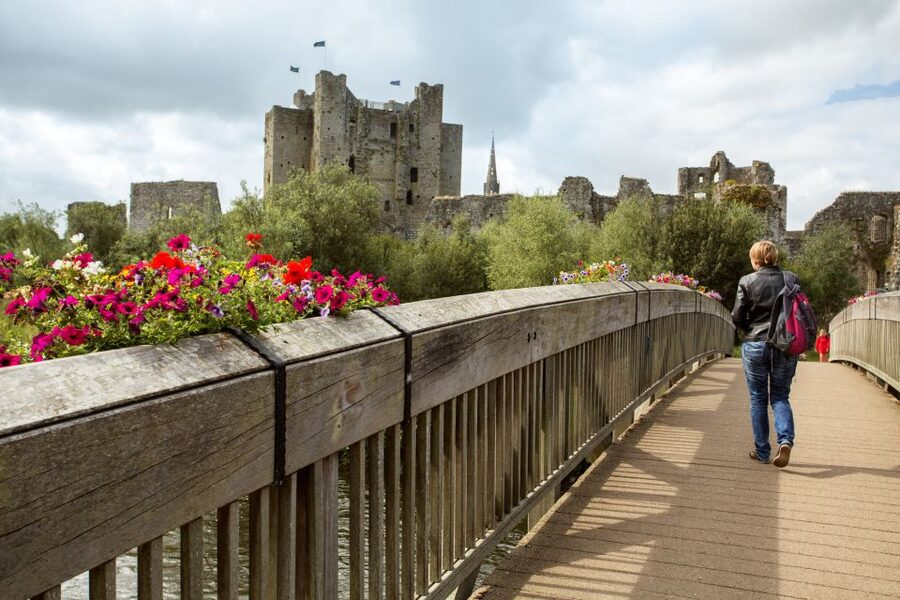
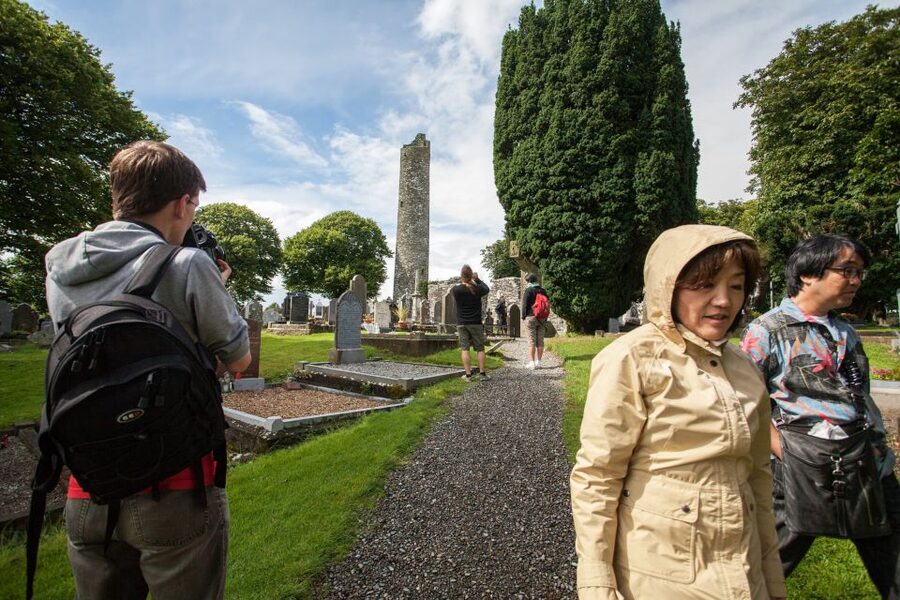
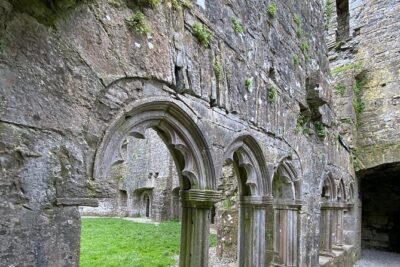
The final major site is Fore Abbey, visited for about an hour. Saint Fechin founded a Christian monastery here in the seventh century. At its height, the settlement was home to about 300 monks, and the site was destroyed twelve times.
That history gives the ruins an unusual character. You are not looking at one abandoned building with a simple beginning and end. Fore reflects repeated religious use, attack, rebuilding, and decline over many centuries.
The ruins include Saint Fechin’s Church, which dates to around 900 AD. The remains are atmospheric without needing much decoration. Stone walls, open ground, and the surrounding countryside allow you to explore at your own pace while the guide explains what you are seeing.
Fore Abbey is a good final stop because it is quieter than Trim and more complete as a ruin than Tara. It also brings the day’s subjects together. You have seen prehistoric burial customs, pagan kingship, medieval military power, and Christian monastic life. Fore gives the final historical chapter before the bus returns to Dublin.
Bring a camera, but also allow time to look beyond the obvious walls. The value of Fore is in the layout of the settlement and the stories attached to it, not just one famous viewpoint.
What the $74 price really covers
The $74 price is reasonable for a 10-hour excursion covering several separate sites. Renting a car would add fuel, parking, driving responsibility, and the challenge of fitting the route together. Public transport would not offer the same direct access to Loughcrew and Fore Abbey.
The included items are important:
- Transport to and from Dublin
- An English-speaking driver-guide
- Air-conditioning
- Wi-Fi and USB ports
- Entry to Loughcrew
- Entry to Hill of Tara
- Entry to Fore Abbey
- The distillery tour and tasting
You need to add two possible costs. Trim Castle admission is not included, and lunch is also separate. That does not make the tour poor value, but it means the advertised price is not the final amount for the day.
The tour is strongest for someone who values variety and guided context. If you want a slow, detailed visit to one castle, this is not the right format. If you want to see several historic sites in one day without planning the route yourself, it works well.
Walking, weather, and the pace of the day
This is an active sightseeing day, though it is not presented as a serious hike. You will walk around open sites, climb the hill at Loughcrew, and spend time outdoors at Tara, Trim, and Fore Abbey.
Wear comfortable shoes with a firm sole. Bring warm clothing, rain gear, an umbrella, sunglasses, and a charged phone or camera. The hilltops may be cold even when Dublin feels mild, and wet weather can make grassy or uneven ground less pleasant.
The timing is fairly tight but sensible. Tara and Fore Abbey each receive about an hour, while Trim and Loughcrew receive about 70 minutes. That gives you enough time to see the central features and take photos, but not enough for a slow, exhaustive study of every corner.
The long return drive lasts about 100 minutes. It is a good chance to rest, but the full day may feel tiring if you have already spent several days walking around Dublin. Plan a quiet evening after the tour.
Who will enjoy this tour most
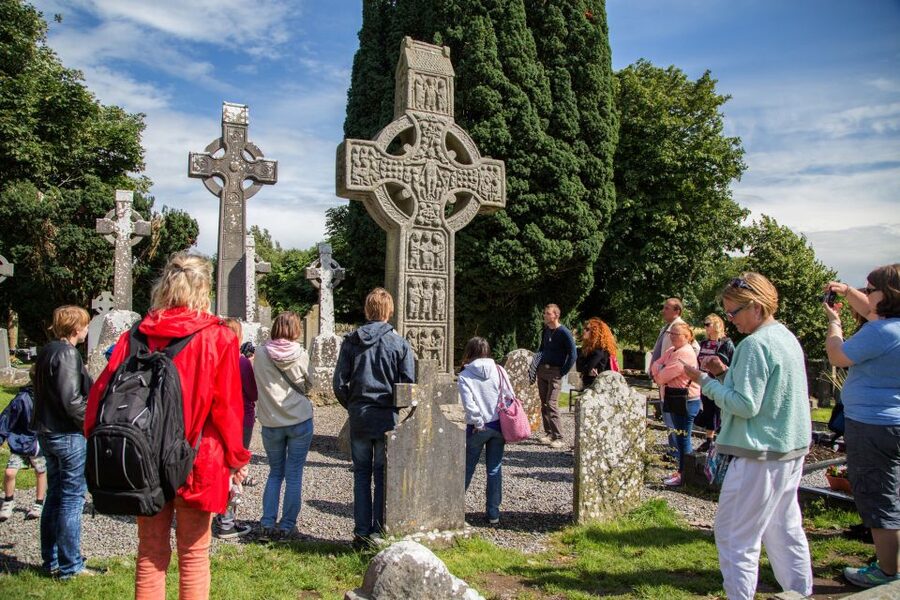
I would choose this outing if you want a broad introduction to County Meath and prefer a guide to explain the connections between sites. It suits history fans, first-time visitors to Ireland, photographers, and anyone who wants rural scenery without handling a car.
It also works well for people who enjoy variety. The tour moves from prehistoric archaeology to Irish kingship, Norman architecture, Christian ruins, and modern distilling. You are unlikely to feel that every stop is the same.
I would hesitate if you need step-free sightseeing, dislike exposed hills, or want a leisurely schedule. Loughcrew involves a steep climb, and the day lasts 10 hours. You should also think twice if you are mainly interested in entering Trim Castle, since its admission fee is extra and the stop has a fixed time.
The guide can make a major difference. Alec has been praised for mixing history, personal stories, and practical Dublin advice. Flann is known for humor and engaging commentary. Jonathan, Brendan, and David have also led enjoyable days. The exact guide is not guaranteed, but the tour format gives a strong guide plenty of room to add value.
Should you book the Celtic Boyne Valley tour?
Book it if you want four distinct historical settings in one day, reliable transport from Dublin, and a guide who can explain what you are seeing. The combination of Loughcrew, Tara, Trim, Fore Abbey, and a distillery is unusually varied for a single coach excursion.
Go in prepared for the steep Loughcrew climb, extra payment at Trim Castle, and a separate lunch bill. Bring proper rain gear and do not underestimate the 10-hour length.
For most visitors with one free day beyond Dublin, I think the tour is a good use of time. It gives you ancient monuments, medieval stonework, monastery ruins, countryside views, and a taste of present-day Irish craft production without requiring a car. If that mix sounds better than spending a whole day at one major attraction, this is a sensible choice.
FAQ
Where does the tour leave from?
It departs from the Molly Malone statue outside the old stone church on Suffolk Street, Dublin 2.
Where does the tour finish?
The tour returns to the Molly Malone statue meeting point in Dublin.
How long does the tour last?
The full experience lasts about 10 hours. Departure times vary, so check availability for the date you want.
What language is the tour conducted in?
The live tour guide speaks English.
Is transport from Dublin included?
Yes. Transportation to and from Dublin is included in an air-conditioned vehicle.
Does the vehicle have Wi-Fi and USB ports?
Yes. The vehicle includes Wi-Fi and USB ports.
Is admission to Trim Castle included?
No. Entry to Trim Castle is not included in the stated tour price.
Is lunch included?
No. Lunch is not included. A lunch option is available at Fore Distillery and Barrel & Bean Café.
Which admissions are included?
Entry to Loughcrew, the Hill of Tara, and Fore Abbey is included. The Abbey Distillery Tour and tasting are also included.
What should I bring?
Bring comfortable shoes, warm clothing, sunglasses, an umbrella, a camera, snacks, rain gear, and a charged smartphone.
Just added around Dublin
- Women Of Ireland: Trailblazers & Pioneers★ 5.0 · 4 reviews
- Whiskey Tasting Tour of Dublin★ 5.0 · 117 reviews
- Premium Irish Whiskey Tasting Hosted by Local Dublin Expert★ 5.0 · 77 reviews
- Historical Walking Tour of Dublin★ 5.0 · 50 reviews
- Dublin (Dun Laoghaire) Top-Rated Coastal Walking Tour★ 5.0 · 80 reviews
- Semi-Private (8people max) 2.5 Hr Dublin Walking Tour★ 5.0 · 69 reviews
- Private Ultimate Day in Dublin (Walking Tour)★ 5.0 · 30 reviews
- DayTripper Dublin: A Guided City Walking Tour★ 5.0 · 90 reviews
Newgrange and Boyne Valley Tours, compared.
Celtic Boyne Valley & Ancient Sites Day Tour From Dublin
Our verdict on it →
Boyne Valley with Newgrange and Bru Na Boinne Entry
Our verdict on it →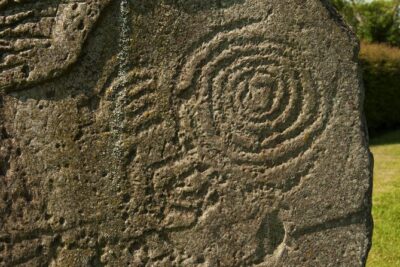
Dublin to Newgrange, Monasterboice Small Group Guided Tours
Our verdict on it →
6 hour Half-Day Award Winning Private Tour of the Boyne Valley
Our verdict on it →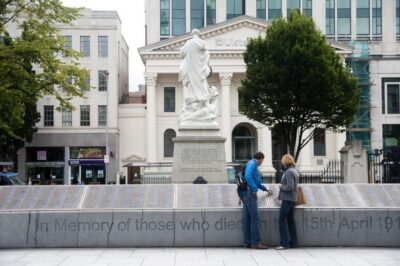
Full-Day Irelands Ancient Boyne Valley Private Guided Tour
Our verdict on it →
Private Tour from Dublin: Hill of Tara Trim Castle, Celtic sites
Our verdict on it →Browse the lists this tour appears in