
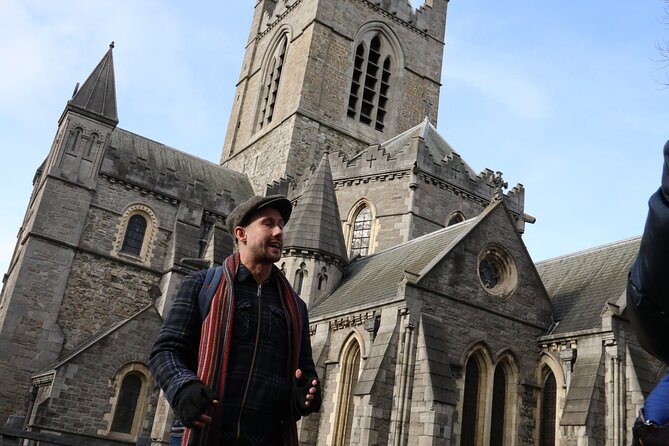
Reviewed · GHOST TOURS
Macabre, Ghostly & Bloody Walking Tour
Dublin’s dark past is not tucked away in a museum. It is written into ordinary streets, bridges, churches, and market sites. This two-hour evening walk brings out the city’s more gruesome tales, from Viking rituals and plague deaths to grave robbers and mummified corpses.
I like the unusual route, which moves beyond the standard Temple Bar circuit, and the way the stories connect folklore with real places. I also like the small group limit of 25 and the guides’ flexibility. Peter has offered extra background on Dublin and Ireland, while Rob has brought an energetic, funny delivery.
The main drawback is clear: this is a story-led walk, not a tour of paid interiors. You see sites from the street, and some tales are grim. If you prefer polished sightseeing or gentle family history, this may not be your best two hours.
Key points to know before you book

- The walk begins at the Spire: Meet at Dublin’s 120-metre monument on O’Connell Street at 6 pm.
- Eight dark-history stops fill about two hours: The route ends on Fishamble Street beside Christchurch Cathedral and near the Temple Bar area.
- The stories cover more than ghosts: Expect Vikings, Victorian grave robbers, the Black Death, murder, executions, and Irish legend.
- St. Michan’s Church supplies the strangest material: The finale concerns mummified corpses and a legless serial killer.
- Guides shape the experience: Peter and Rob have both led the walk, mixing macabre stories with broader Dublin history.
- The price is modest: At $20.43 per person, you are paying mainly for the guide’s storytelling and local context, not admission to attractions.
Why Dublin’s dark side works so well on foot
Dublin can feel cheerful, social, and easygoing. Yet its older streets carry stories of war, disease, punishment, hunger, crime, and superstition. This walk uses that contrast well. You move through familiar parts of the city, then hear the unsettling event that supposedly happened there.
That setting matters. A tale about plague deaths has more force beside old city walls. A story about a brothel keeper makes more sense on Fishamble Street than in a lecture room. The city itself becomes the backdrop, even when you are only viewing a building or monument from outside.
The tour is also more than a ghost walk. Some stops concern supernatural ideas, but much of the material is historical or folkloric. You will hear about Cuchulainn, Viking customs, Victorian crime, the Black Death, and real figures connected with Dublin.
I would book this for an evening when you want something different from pubs, shopping, or standard sightseeing. The 6 pm start leaves the daytime free, and the end point puts you near Christchurch Cathedral and the Temple Bar district.
More Walking Tours in Dublin
- Dublin Highlights and Hidden Gems Guided Walking Tour
★ 5.0 · 6,020 reviews - Dublin: Highlights and Hidden Gems Walking Tour
★ 4.9 · 2,140 reviews - 1916 Rebellion Walking Tour
★ 5.0 · 1,605 reviews
Starting under the Spire on O’Connell Street
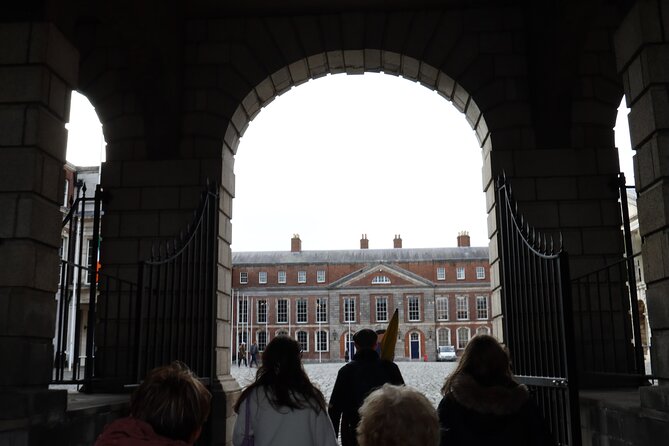
The meeting point is beside the Spire, the tall steel monument in the center of Dublin. At 120 metres, it is hard to miss, which makes this a practical place to begin. You do not need to search for a small office or enter a building.
The first 15 minutes are devoted to getting the group together and setting the tone. The Spire itself is modern, so the darker material begins with a useful contrast between present-day Dublin and the older city beneath it.
You should arrive with comfortable shoes and a charged phone. The ticket is mobile, and the entire experience takes place outdoors. The tour is offered in English, so you will get the most from it if you can follow fast spoken storytelling and unfamiliar Irish names.
The group can include up to 25 people. That is not an intimate private walk, but it is still a manageable size for a city tour. A larger group can make narrow streets and quiet listening harder, so staying close to the guide will matter.
The General Post Office and Cuchulainn’s final battle
The next stop is the An Post General Post Office, one of Dublin’s most important public buildings. Here the guide points out a statue and tells the story of the death of Cuchulainn, the famous warrior from Irish mythology.
This is a good early stop because it shows the tour’s range. You are not getting only tales of Victorian crime or haunted buildings. Irish legend is part of the mix, and the story of Cuchulainn brings in themes of courage, fate, and a warrior’s final stand.
You will spend about 15 minutes here. The tour does not include an interior visit or a special entry ticket, so the value comes from the explanation and the connection between the statue, the building, and the story.
If you know little about Irish mythology, this can be a useful introduction. If you already know the Cuchulainn story, the guide’s local framing may still add interest, but this stop may feel less surprising than the later stories.
Wolfe Tone Park, grave robbers, and a Guinness wedding
At Wolfe Tone Park, the mood turns toward Victorian Dublin. The guide discusses grave robbers and the wedding venue of Arthur Guinness.
The grave-robbing story is one of the more unsettling subjects on the route because it deals with a practical horror rather than a legend. Medical demand, poverty, and weak protection for graves created opportunities for people willing to steal bodies. The tale gives you a sharper sense of how different attitudes toward death were in earlier Dublin.
The Guinness connection adds another layer. Arthur Guinness is usually linked with beer and business, but this stop places him in a social setting connected with marriage and ceremony. That broader detail helps keep the tour from becoming a string of disconnected murders.
Again, you are outside for roughly 15 minutes. There is no admission included, and the guide needs to make the location meaningful through description. This is where a strong storyteller matters most.
More ghost walks after dark in Dublin:
- Dark Dublin: Torture, Murder & Mystery
★ 5.0 · 2,231 reviews - Dublin Ghost Bus Tour with Professional Actors
★ 4.5 · 949 reviews - Haunted Dublin Walking Tour
★ 5.0 · 550 reviews - From Dublin: Gravedigger Ghost Bus Tour
★ 4.4 · 546 reviews
Oxmantown and Viking ritual
Outside the old fruit and vegetable market in Oxmantown, the walk reaches one of its oldest historical subjects. The guide explains the Viking presence in this part of Dublin and some of the more gruesome elements of Viking ritual.
This stop gives the route a long historical sweep. You move from Irish legend and later urban crime back to the early medieval city. Oxmantown is not presented as a museum display, so you will need to picture the earlier settlement from the guide’s account.
The ritual material is likely to be among the walk’s harsher sections. The tour does not soften the subject, which suits its title but may not suit everyone. If you are sensitive to descriptions of death, punishment, or bodies, you should know that the content is intentionally macabre.
I like this stop because it shows that Dublin’s darker stories did not begin in the Victorian period. The city’s past includes different cultures, religions, and ideas about death, and the guide uses the location to bring those changes into view.
Father Matthew Bridge and the man-eating rats
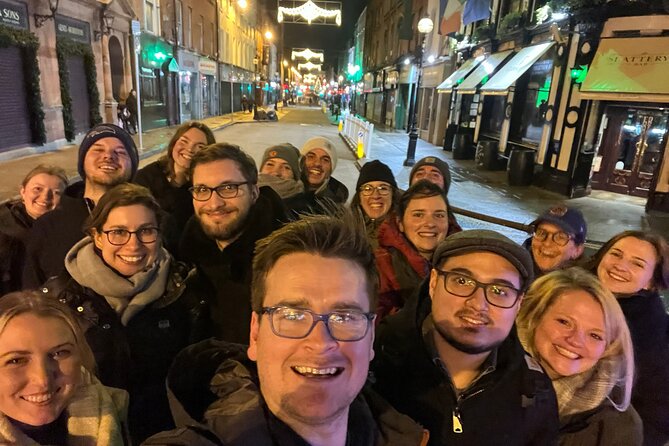
At Father Matthew Bridge, the guide tells the story of a soldier who was devoured by rats. It is the kind of tale that can sound almost unbelievable, yet it fits the tour’s focus on the dangers of old urban life.
This story shifts attention away from famous people and grand events. It asks you to imagine the daily hazards of a city where sanitation, food storage, and pest control were far less secure than they are now.
The bridge is also a natural pause in the walk. You will be outside, moving along the river route, while the guide turns an ordinary crossing into a grim story setting. The stop lasts about 15 minutes, so the guide must keep the account focused rather than build a long historical lecture around it.
For me, this is exactly the sort of material that makes a macabre walk worthwhile. It changes how you look at a familiar urban feature without requiring a museum visit or a large block of time.
St. Audoen’s Church and the plague cages
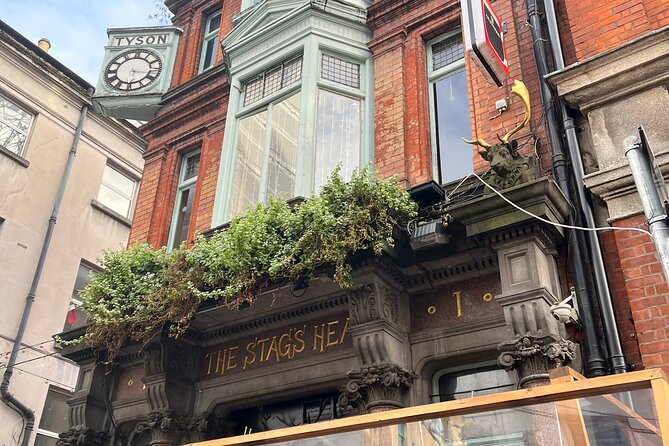
St. Audoen’s Church brings the Black Death into the route. Here you see quarantine cages at the old city walls and hear about the measures used during the plague.
The word cages alone gives this stop a grim force. The location ties disease control to the city’s defenses, showing how public health and urban boundaries once overlapped. You are not simply hearing that plague existed. You are being shown a physical reminder of how people were confined or separated.
This is one of the strongest historical stops because it joins a familiar epidemic story with a specific Dublin site. The guide can explain the setting while you look at the old walls and church area.
The stop also provides a useful change of pace. The tour moves between legend, crime, ritual, and disease rather than repeating one kind of horror. That variety helps keep two hours from feeling like a single long ghost story.
Fishamble Street and the brothel keeper burned at the stake
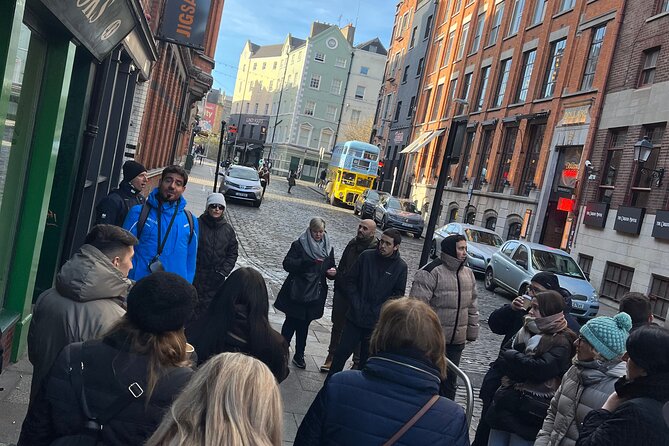
Fishamble Street is where the walk tells the story of an infamous brothel keeper and her death by fire at the stake. The subject is harsh, but it also opens a window onto crime, sexuality, punishment, and public morality in earlier Dublin.
The location is valuable because Fishamble Street is part of the living city, not an isolated historical site. You finish the walk here, close to Christchurch Cathedral and the Temple Bar district, so you can continue your evening easily after the guide says goodbye.
This is also the practical end point to keep in mind when planning your night. The tour begins on O’Connell Street in the north city center and finishes on the south side of the river. You do not return to the Spire, so plan your next stop from Fishamble Street.
The story may be uncomfortable, especially because execution by fire is not treated as a vague bit of folklore. That is part of the experience’s purpose. It looks at the ways Dublin dealt with people considered immoral or dangerous, not just at supernatural tales.
St. Michan’s Church and the mummified dead
The final stop is St. Michan’s Church, where the guide discusses mummified corpses in the cellar and a legless serial killer. This is the tour’s most immediately gothic material, and it gives the walk a memorable finish.
The mummies bring the subject of death into physical focus. You are hearing about preserved bodies connected with a real church site, not only imagining a haunted castle from a distance. The story of the legless serial killer adds a separate layer of crime and oddity.
Do not assume the tour includes entry into the church or cellar. The information provided describes the stop and the stories, but not a paid interior visit. You should think of this as an exterior walking-tour stop unless the guide says otherwise.
Ending here works well. By this point, the route has covered mythology, Vikings, plague, grave robbing, execution, and urban crime. The mummies and serial-killer story gather the macabre mood into one final stop before you head toward Christchurch Cathedral and Temple Bar.
Guide style and the value of a small group
The guide is the main attraction. Peter has combined the grim stories with general Dublin history, area tips, and recommendations. Rob has brought an enthusiastic, funny delivery to material that could otherwise feel relentlessly bleak.
That mix is important. A guide who only lists deaths and punishments can make a walk tiring. Humor and broader context give you a break, while still respecting the darker subject matter.
The maximum group size is 25. I would not call that a private experience, but it is small enough for the guide to maintain a shared pace and answer occasional questions. The supplied feedback also indicates that the tour can still run professionally with a very small group, even when only one person has booked.
Because the company offers the walk in English, the guide’s delivery will shape your experience more than visual attractions will. Listen for names and place details, and stay close when the group moves between stops.
Is $20.43 good value for two hours?
At $20.43 per person, the price is reasonable for a two-hour guided walk in central Dublin. You are not paying for museum admission, transport, food, or special access. You are paying for the guide’s preparation, storytelling, and ability to connect scattered city sites.
That makes the value depend on your interests. If you enjoy local legends, crime stories, and historical oddities, the cost is modest for an evening activity. You can see eight locations and finish near several major central sights without committing half a day.
If you want interiors, exhibits, or a large number of famous landmarks, the value is weaker. Most of the stops are viewed from outside, and the experience relies on spoken detail rather than physical attractions.
The fact that the walk is often booked 33 days ahead suggests you should not leave it to the last minute during a busy Dublin visit. Free cancellation is available until 24 hours before the start time, but changes or cancellations inside that window are not accepted for a refund.
Who should book this Dublin macabre walk?
I would recommend it to adults and older children who enjoy dark folklore, unusual history, and guided storytelling. It suits a first or second Dublin visit when you want to see the center through a different lens.
It is also a good choice for repeat visitors. You may already know O’Connell Street, Temple Bar, and Christchurch Cathedral, but the route gives those places a less familiar meaning.
You should think twice if you dislike graphic subjects or prefer a quiet, reflective walk. The itinerary includes death, plague, grave robbing, ritual violence, execution, mummified bodies, and serial crime. The guide may be funny, but the material remains grim.
The walk is accessible to most people according to the tour information, and service animals are allowed. It is near public transportation, though the route is on foot and lasts about two hours, so sensible footwear is still a good idea.
Should you book it?
Book this tour if you want Dublin’s stories to be strange, unsettling, and firmly tied to city streets. The strongest reasons are the varied route, the modest price, the evening timing, and the guides’ ability to add general history and humor to grim subjects.
Skip it if you want major interiors or a conventional overview of Dublin. For everyone else, this is a good-value way to spend two hours, especially if you finish the night near Christchurch Cathedral and Temple Bar.
FAQ
Where does the Macabre, Ghostly & Bloody Walking Tour begin?
The tour begins beside the Spire on O’Connell Street Upper in North City, Dublin.
What time does the tour start?
The start time is 6:00 pm.
How long does the walking tour last?
The tour lasts approximately two hours.
Where does the tour finish?
The walk finishes on Fishamble Street, beside Christchurch Cathedral and near the Temple Bar district.
Is the tour offered in English?
Yes. The tour is offered in English.
How many people can join the tour?
The maximum group size is 25 people.
Just added around Dublin
- Women Of Ireland: Trailblazers & Pioneers★ 5.0 · 4 reviews
- Whiskey Tasting Tour of Dublin★ 5.0 · 117 reviews
- Premium Irish Whiskey Tasting Hosted by Local Dublin Expert★ 5.0 · 77 reviews
- Historical Walking Tour of Dublin★ 5.0 · 50 reviews
- Dublin (Dun Laoghaire) Top-Rated Coastal Walking Tour★ 5.0 · 80 reviews
- Semi-Private (8people max) 2.5 Hr Dublin Walking Tour★ 5.0 · 69 reviews
- DayTripper Dublin: A Guided City Walking Tour★ 5.0 · 90 reviews
- Guinness Storehouse, Irish Whiskey Experience and Brazen Head★ 4.5 · 42 reviews
Ghost Tours, compared.
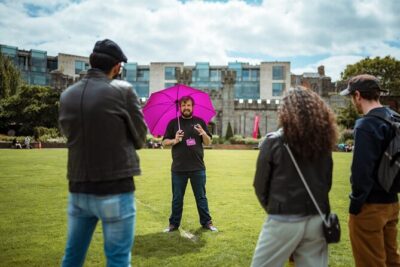

Dublin Ghost Bus Tour with Professional Actors
Our verdict on it →

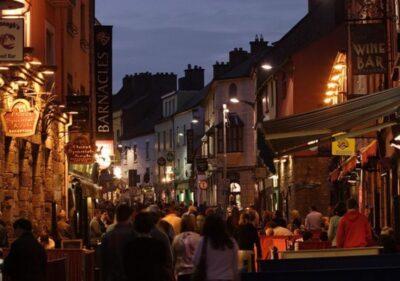
Hidden Dublin: Haunted History Walking Tour v2.0 2026
Our verdict on it →
Browse the lists this tour appears in