
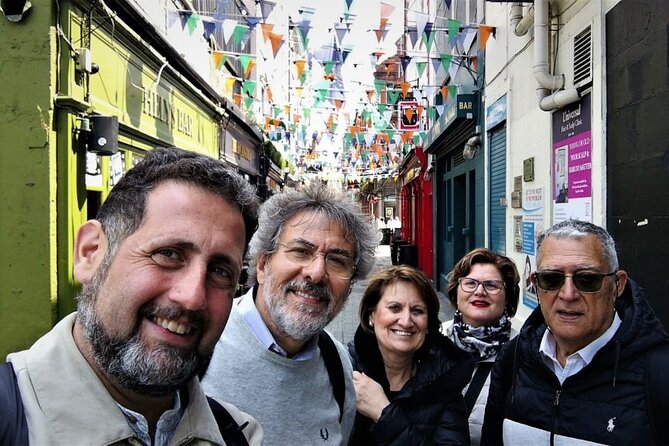
Reviewed · WALKING TOURS
Semi-Private (8people max) 2.5 Hr Dublin Walking Tour
Dublin’s story is told here through Viking origins, famine-era emigration, Norman power, music, pubs, and local legends. The route links the city’s main sights without making you puzzle out the map, and guides such as Jimmy, Dermot, Miriam, Sean, and Antonio bring different voices to the walk.
I like the maximum group size of eight, which gives you a real chance to ask questions. I also like the practical food, drink, and neighborhood advice, plus the small treat that gives the walk a local touch. The main consideration is pace: one guest found the tour slow and less focused on history than expected, while the route covers a lot in two and a half hours.
Key points to know before booking
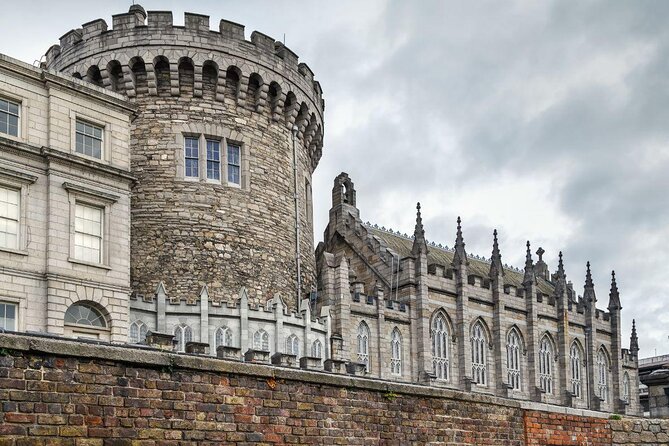
- Small group, maximum eight people: You get a more personal walk than on a large city tour.
- Seven central stops: The route connects Molly Malone, Christ Church Cathedral, Temple Bar, Trinity College, Ha’penny Bridge, Dublin Castle, and St. Patrick’s Cathedral.
- Strong local storytelling: Jimmy, Dermot, Miriam, Sean, and Antonio are praised for personal stories, humor, Irish culture, and Dublin advice.
- A 10 a.m. start: This can help you see central sights before the day becomes busier.
- Mostly an exterior orientation: Christ Church Cathedral admission is not included, and the tour does not promise entry to every attraction.
- Good value for first-time visitors: At $71.10, you are paying for a small-group guide and city orientation, not a series of paid indoor admissions.
A compact route through Dublin’s old center
This is a city orientation with a strong history thread. In about 2.5 hours, you move between major sights while hearing about the people, conflicts, customs, and legends tied to them.
The route is especially useful on your first day in Dublin. You finish with a better sense of where Temple Bar, the castle, the cathedrals, Trinity College, and the River Liffey sit in relation to one another. You also receive suggestions for places to eat, drink, and explore later.
The small group matters here. Dublin’s streets can be crowded, and a guide speaking to eight people is easier to hear than someone addressing a large crowd. You can ask about a pub, a neighborhood, Irish traditions, or the best use of the rest of your day without holding up dozens of people.
The 10 a.m. departure is another smart feature. One guide’s group found that the morning timing helped them see more before crowds built up. Dublin weather can change quickly, so wear comfortable shoes and bring a rain layer. The tour runs outdoors and continues in poor weather unless the operator cancels it.
More Walking Tours in Dublin
- Dublin Highlights and Hidden Gems Guided Walking Tour
★ 5.0 · 6,020 reviews - Dublin: Highlights and Hidden Gems Walking Tour
★ 4.9 · 2,140 reviews - 1916 Rebellion Walking Tour
★ 5.0 · 1,605 reviews
Molly Malone and the story behind the statue

The meeting point is the Molly Malone statue on Suffolk Street. It is an easy central landmark and a simple place to find a guide at 10 a.m.
Molly Malone is presented as Dublin’s most famous woman, but the stop also opens into larger Irish themes. You hear about the famine and the huge wave of emigration from Ireland to the United States that followed. That gives the statue more weight than a quick photograph and a familiar song.
This is a good opening because it begins with a popular Dublin symbol, then moves into a difficult part of the country’s past. The stop lasts about 15 minutes, so expect an introduction rather than a full lecture on famine history.
Christ Church Cathedral and Viking Dublin
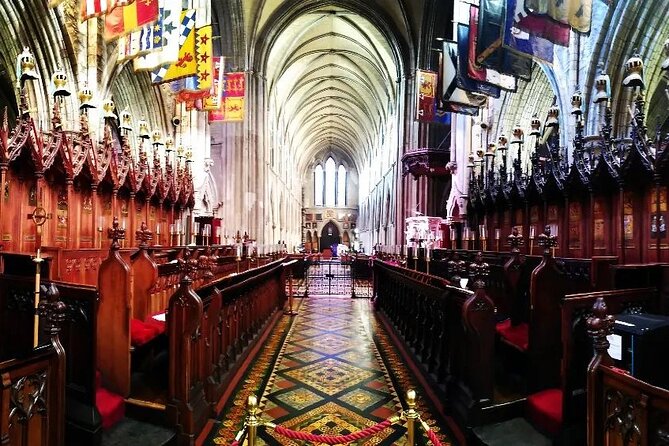
From Molly Malone, the route moves toward Christ Church Cathedral, Dublin’s first cathedral. The stop focuses on the cathedral’s stories, legends, and characters, along with the Viking area where Dublin was founded in 841.
The Viking connection is one of the most useful parts of the walk. Dublin can look like a Georgian and Victorian city at first glance, but its early development is tied to Norse settlers and trade. Your guide explains the role of the Vikings in Irish history, culture, and traditions.
You have about 15 minutes here. Admission is not included, so treat this as a guided look at the building and its setting rather than a cathedral visit. If the interior is high on your Dublin list, plan a separate visit and check its opening details yourself.
Temple Bar beyond the pub signs
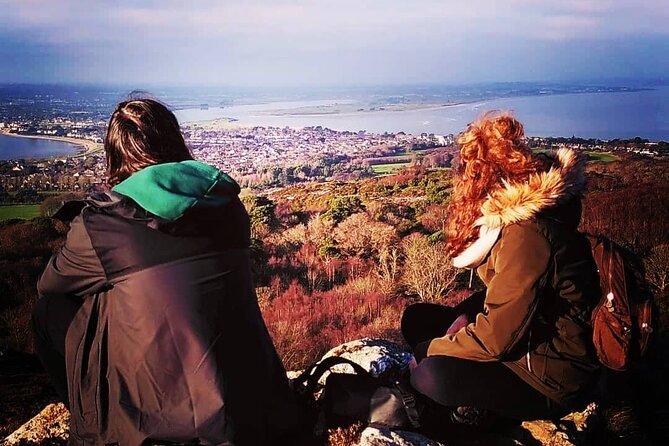
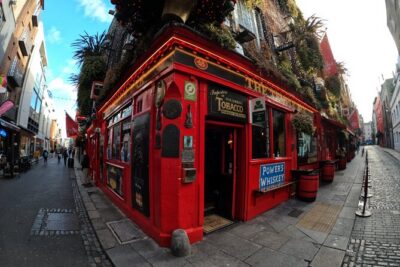
Temple Bar is Dublin’s best-known nightlife quarter, and this tour does not present it as if it has always looked the same. You hear how different the area was only a few years ago, then get advice on places for food, drinks, and music.
That context helps. Many visitors see the colorful streets, pubs, and crowds but do not know how the neighborhood changed over time. A guide can also help you separate a fun stop for music and atmosphere from a place chosen simply because it is famous.
The scheduled stop is about 15 minutes. That is enough for an introduction and orientation, but not enough for a full food crawl or a long pub session. The tour includes a chance to sit down for a treat, though the information provided does not specify the food or venue. Think of it as a small local pause, not a full meal.
Same part of the country, a completely different day out:
- Dublin: Guinness Storehouse Entry Ticket
★ 4.6 · 16,863 reviews - Irish Rock ‘N’ Roll Museum Experience Dublin
★ 5.0 · 6,112 reviews - Dublin: Jameson Whiskey Distillery Tour with Tastings
★ 4.7 · 4,859 reviews - Dublin Jameson Distillery Bow St. Tour and Tasting 45 mins
★ 5.0 · 4,690 reviews
Trinity College, the Long Library, and the Book of Kells
Trinity College is the oldest college in Ireland and one of Dublin’s most striking settings. The tour spends about 20 minutes discussing the college, its legends, the Long Library, and the Book of Kells.
This is one of the route’s strongest stops for first-time visitors. Trinity gives you a look at Ireland’s academic and cultural traditions, while the Book of Kells adds a major historical and artistic draw. The guide’s role is to explain the place and its stories in context.
The provided details list admission as free for this stop, but they do not confirm entry to the Book of Kells exhibition or the Long Library. Do not assume that the guided stop includes those ticketed interiors. If you want to see the manuscript and library inside, verify the separate admission arrangements before your visit.
Ha’penny Bridge and the River Liffey
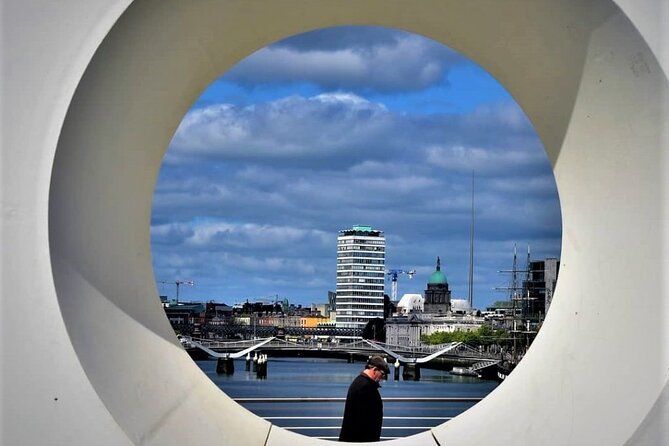
The stop at Ha’penny Bridge is brief, only about five minutes, but it gives the route a clear Dublin landmark and a river crossing.
Your guide explains why the bridge has its unusual name. Dublin has 16 bridges, yet this one is the best known, making it a useful place to talk about the city’s connection to the River Liffey and the daily life that developed around it.
This is a quick photo and story stop rather than a long pause. If you enjoy architecture or river views, you may want to return later when you have more time. Its position also helps you understand how the central neighborhoods fit together.
Dublin Castle and the Norman question
Dublin Castle brings the tour into questions of invasion, rule, and national identity. The focus is on the arrival of the Normans and the question of whether the Normans truly invaded Ireland.
Irish history often carries competing versions, legends, and half-remembered stories. That makes this a good point for a guide-led explanation, especially if you want more than dates and names. The scheduled stop lasts about 10 minutes, so the treatment is necessarily selective.
The castle stop is also useful as an orientation point. It connects medieval power with the city around it, rather than treating Dublin as a collection of unrelated landmarks. You see the setting and receive enough background to decide if you want to return for a longer visit.
St. Patrick’s Cathedral and Irish legend
The final listed sight is St. Patrick’s Cathedral, where the guide covers the cathedral’s history and the legends surrounding Ireland’s best-known saint. The stop lasts about 10 minutes.
This is a fitting end to a route that moves between Viking Dublin, medieval power, religious tradition, and modern city life. As with Christ Church, the tour information does not include an admission ticket, so you should regard the stop as a guided exterior visit unless your guide tells you otherwise.
The two cathedral stops also give you a useful comparison. Christ Church connects strongly with the early Viking area and Dublin’s first cathedral, while St. Patrick’s links to national religious identity and the story of Saint Patrick.
What the guides add to the walk
The experience depends heavily on who leads it. Jimmy receives the strongest repeated praise for being friendly, entertaining, and deeply familiar with Dublin. He guides groups through the city from the Viking period to the present and points out architectural styles along the way.
Dermot’s style is more interactive. He checks what people want to know, adds extra stops, and brings personal warmth to the route. He is also known for singing during the walk, which may appeal to you if you like a tour with personality rather than a formal lecture.
Miriam is praised for storytelling and for leading groups to interesting places that do not feel as crowded as the main tourist stops. Sean adds a creative touch, including a poem he wrote and shared while sitting on the green at Dublin Castle.
Antonio offers the perspective of an Italian who moved to Dublin and developed a strong attachment to Irish stories and traditions. That can be appealing if you enjoy a guide who explains local culture from the viewpoint of someone who chose Dublin as home. The guide team is not limited to native Dubliners, and the experience can vary by language ability and presentation style.
One caution is worth taking seriously. A past participant found Giulio difficult to understand because of his strong accent and felt the tour did not work well in English. That is an individual experience, but if clear spoken English is essential for you, contact the operator before booking and ask who is scheduled to lead your departure.
Is $71.10 a fair price?
At $71.10 per person, this is not the cheapest way to walk around Dublin. You are paying for a maximum eight-person group, a guide, local suggestions, historical interpretation, and a planned route that links seven important sights.
The value is strongest if you have limited time. A first visit can become scattered when you try to connect the Molly Malone statue, Temple Bar, Trinity College, the castle, and both cathedrals on your own. This walk gives you a usable map of central Dublin and helps you decide where to spend your independent time.
The price is less attractive if you mainly want paid interior visits. Christ Church Cathedral admission is not included, and the information provided does not promise entry to the Book of Kells, the Long Library, Dublin Castle, or St. Patrick’s Cathedral. You may need to budget separately for any of those attractions you wish to enter.
I would see the tour as a paid introduction, not a complete Dublin sightseeing package. It saves planning time and adds stories you might miss alone, but it does not replace full visits to the city’s major interiors.
Who will get the most from this tour?
I would recommend it to first-time visitors, solo visitors, couples, and small families who want a friendly overview without joining a large crowd. It also suits anyone who enjoys history mixed with local advice, humor, legends, and conversation.
It is a good fit for a one-day visit. One person with only a day in Dublin found that the guide made the limited time count, and that is exactly where this format earns its price.
You may prefer another option if you want a slow architectural study, long cathedral visits, or a tightly academic history lesson. The itinerary moves quickly between sights, and the guide may spend as much time on culture, food, and local stories as on formal historical detail.
The walk is listed as suitable for most people, allows service animals, and begins near public transport. Since it requires good weather, check the forecast and wear shoes that can handle wet streets.
Should you book the Dublin walking tour?
Book it if you want a small, personable introduction to Dublin and value a guide who can connect Viking origins, famine history, Norman rule, Irish legends, and present-day food and music.
I would be most inclined to book this early in a Dublin stay, ideally for your first morning. You can use the advice about eating, drinking, and exploring for the rest of the trip. The 10 a.m. start, maximum group size, and central route are practical advantages.
Skip it if your main goal is extensive time inside the cathedrals, Trinity’s library, or the castle. In that case, arrange those admissions separately and use this tour only if you want the added local explanation.
With a 96 percent recommendation rate and a 4.9 rating from 69 reviews, the overall record is strong, though the occasional concern about pace, guide style, or spoken English means you should book with realistic expectations. Free cancellation is available up to 24 hours before the start, but changes or cancellations inside that window are not refunded. If poor weather or low demand cancels the tour, you are offered another date, another experience, or a full refund.
FAQ
Where does the Dublin walking tour start?
It starts at the Molly Malone statue on Suffolk Street, Dublin 2, with a scheduled start time of 10 a.m.
Where does the tour finish?
The walk ends back at the meeting point.
How long does the tour last?
The scheduled duration is approximately 2 hours and 30 minutes.
How many people can join the tour?
The group has a maximum of eight participants.
What sights are included on the route?
The route includes the Molly Malone statue, Christ Church Cathedral, Temple Bar, Trinity College Dublin, Ha’penny Bridge, Dublin Castle, and St. Patrick’s Cathedral.
Is admission to Christ Church Cathedral included?
No. Admission to Christ Church Cathedral is listed as not included.
Does the tour include entry to the Book of Kells and the Long Library?
The tour discusses Trinity College, the Long Library, and the Book of Kells, but the provided information does not confirm entry to those attractions.
Is the tour suitable for most people?
Yes. The activity information says most people can participate, and service animals are allowed.
Is the tour available in poor weather?
The experience requires good weather. If the operator cancels because of poor weather, you are offered a different date or a full refund.
What is the cancellation policy?
You can cancel up to 24 hours before the start time for a full refund. Cancellations or changes made less than 24 hours before the start are not refunded or accepted.
Just added around Dublin
- Women Of Ireland: Trailblazers & Pioneers★ 5.0 · 4 reviews
- Whiskey Tasting Tour of Dublin★ 5.0 · 117 reviews
- Premium Irish Whiskey Tasting Hosted by Local Dublin Expert★ 5.0 · 77 reviews
- Historical Walking Tour of Dublin★ 5.0 · 50 reviews
- Dublin (Dun Laoghaire) Top-Rated Coastal Walking Tour★ 5.0 · 80 reviews
- Private Ultimate Day in Dublin (Walking Tour)★ 5.0 · 30 reviews
- DayTripper Dublin: A Guided City Walking Tour★ 5.0 · 90 reviews
- Guinness Storehouse, Irish Whiskey Experience and Brazen Head★ 4.5 · 42 reviews
Walking Tours, compared.
Dublin Highlights and Hidden Gems Guided Walking Tour
Our verdict on it →


90 Minute Dublin Walking tour and Sightseeing tips
Our verdict on it →

Dublin Traditional Irish 3 Course Meal Walking Tour with Local
Our verdict on it →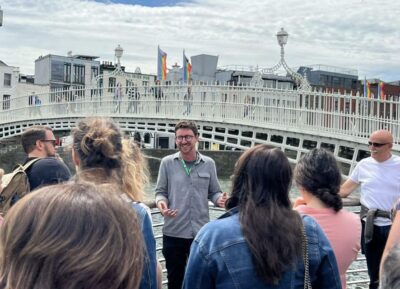
Browse the lists this tour appears in