
Reviewed · WALKING TOURS
Dublin: Highlights and Hidden Corners Walking Tour
Dublin’s best introduction may be a walk that refuses to stay on the usual postcard route. This 2.5-hour tour moves from the Viking and medieval quarter around Dublin Castle to Temple Bar, crosses the River Liffey, then heads up O’Connell Street before finishing near Trinity College. Along the way, you get major sights plus odd little details, such as a former Lisbon tram now used as a café and a church that is no longer quite a church.
I like the small group of up to 16 people, which should make it easier to hear the guide and ask questions. I also like the human scale of the storytelling. Guides including Joe Brennan, John O’Flynn, Jacob, Katie, and Dave are praised for humor, clear delivery, local knowledge, and a comfortable walking pace.
The main consideration is pace. One person found the walk faster than ideal, and the tour covers a lot of ground in 2.5 hours. All visits are external, so you should treat this as a city orientation rather than a ticketed tour of Dublin’s interiors.
Key points to know before you book
- See both sides of the River Liffey: The route links Dublin’s southern medieval quarter with the north side and O’Connell Street.
- Look beyond the famous sights: Expect curious stops involving an old cinema, a tram café, a former church, a wobbly bridge, and a post box tied to Irish independence.
- Hear the stories behind the buildings: The General Post Office, Dublin Castle, Trinity College, and the former Parliament House all gain meaning through personal and political stories.
- Keep the group manageable: Numbers are limited to 16, with extra guides added when needed.
- Plan for an outdoor tour: Sights are viewed from outside, though your guide can point out places to visit later.
- Use it early in your stay: The route gives you useful bearings and several ideas for the rest of your time in Dublin.
Starting at the Tree of Gold on Dame Street
Meet at the Tree of Gold Statue, also called Crann an Óir, in Central Plaza on Dame Street, at the corner of Fownes Street Upper. This puts you in the center of Dublin’s old core, close to the route’s first major sights.
The opening section is well chosen. Instead of beginning with a long lecture about dates, the guide can place you in the former Viking and medieval quarter and then connect its streets to the modern city around you. That approach matters in Dublin, where a short walk can shift from medieval remains to Georgian buildings, political landmarks, pubs, shops, and busy public squares.
The location is also practical for a first morning in town. You start near Temple Bar and Dublin Castle, two areas that are easy to reach from much of central Dublin. Wear comfortable shoes, since this is a continuous city walk rather than a series of short stops with transport between them.
More Walking Tours in Dublin
- Dublin Highlights and Hidden Gems Guided Walking Tour
★ 5.0 · 6,020 reviews - Dublin: Highlights and Hidden Gems Walking Tour
★ 4.9 · 2,140 reviews - 1916 Rebellion Walking Tour
★ 5.0 · 1,605 reviews
Dublin Castle grounds and the medieval quarter
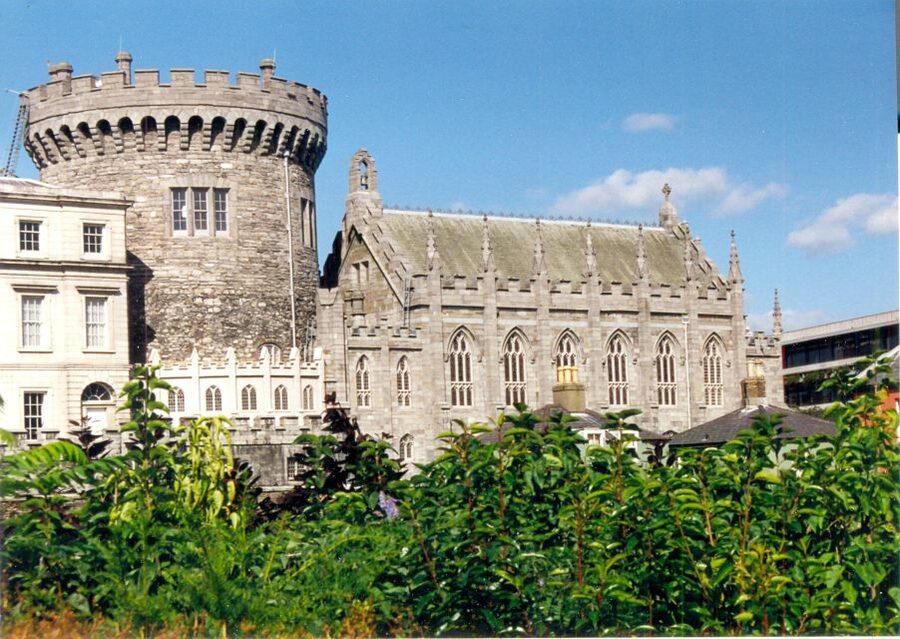
The route moves toward Dublin Castle and its grounds. You will see the castle from outside, with the guide explaining its role in the city and in Ireland’s political past. The point here is not simply to photograph a grand building. It is to understand how power was organized in Dublin and how the city developed around this central site.
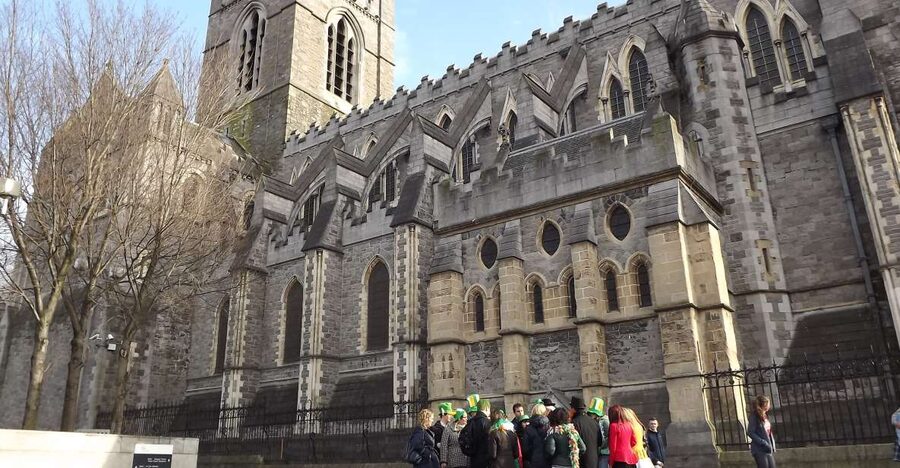
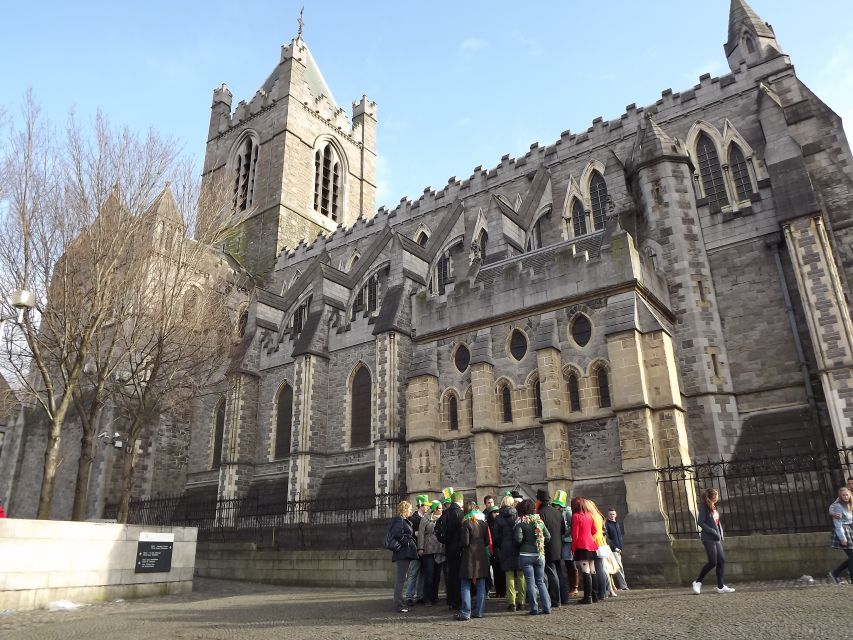
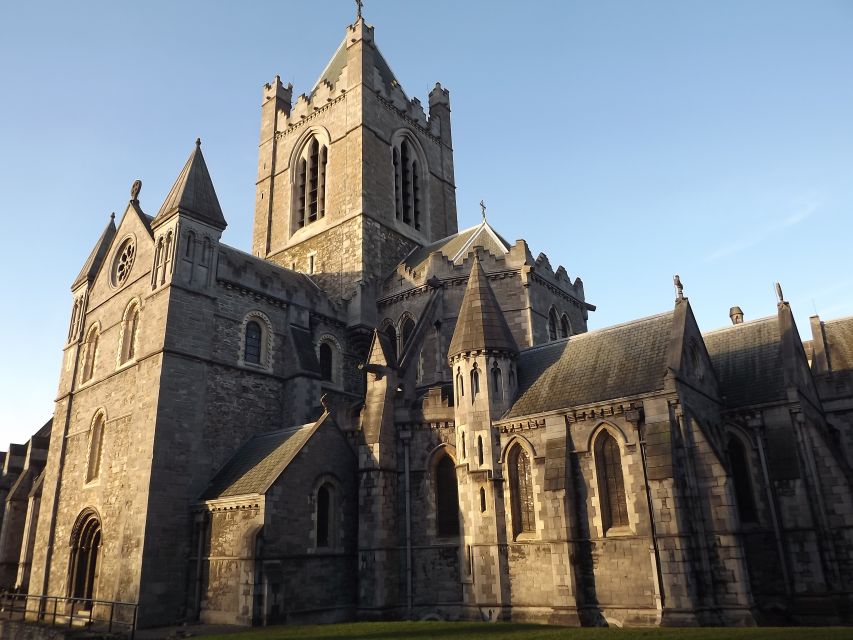
From there, the walk continues toward Christ Church Cathedral. Again, the visit is external, but the cathedral gives the route a strong visual marker. Its place in the old quarter helps you picture Dublin before the city spread far beyond its historic center.
This part is especially useful if you plan to return later for paid visits. The guide can give you context first, then you can decide which interiors deserve your time and admission money. Since the tour does not include entry, you should not expect a full look inside either the castle or cathedral.
Fishamble Street, Smock Alley, and Temple Bar
Fishamble Street and Smock Alley add texture to the walk. These are not just names on a map. They help show how Dublin’s streets carry layers of religious, commercial, and theatrical history.
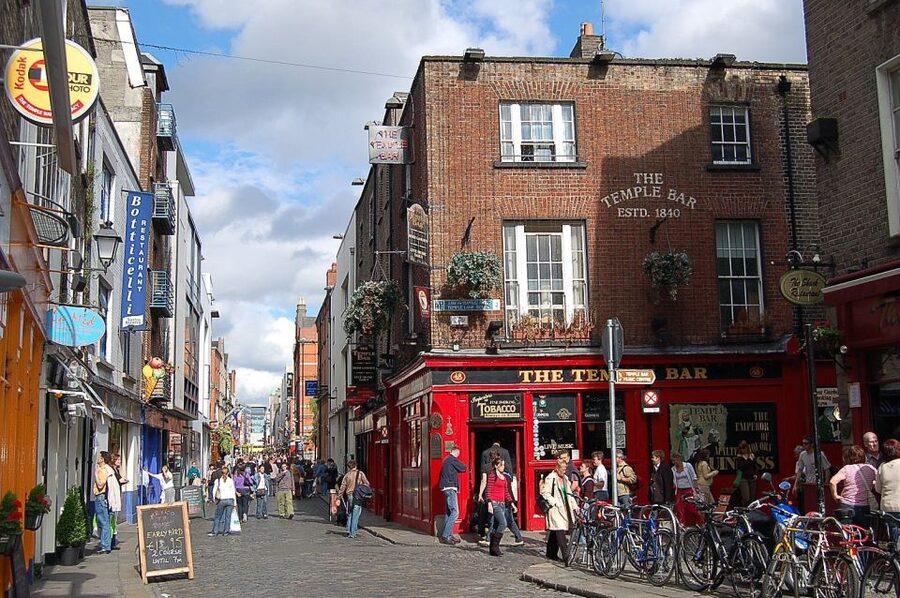
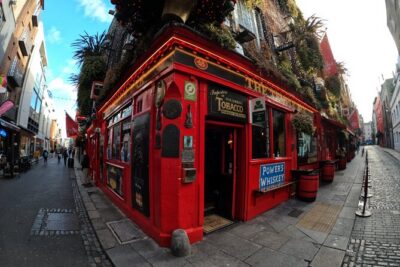
The route then turns toward Meeting House Square and Temple Bar. Temple Bar is one of Dublin’s best-known areas, but it is easy to experience it only as a busy nightlife district. A good guide helps you notice the older street plan and the less obvious corners instead of treating the area as a quick photo stop.
Meeting House Square offers a change of pace from the surrounding streets. Your guide may also point out the location of Dublin’s first full-time cinema, now defunct. Details like this are part of the tour’s appeal: they do not demand extra admission, yet they give you something specific to look for when you walk through the area again.
Crossing the Millennium Bridge over the Liffey
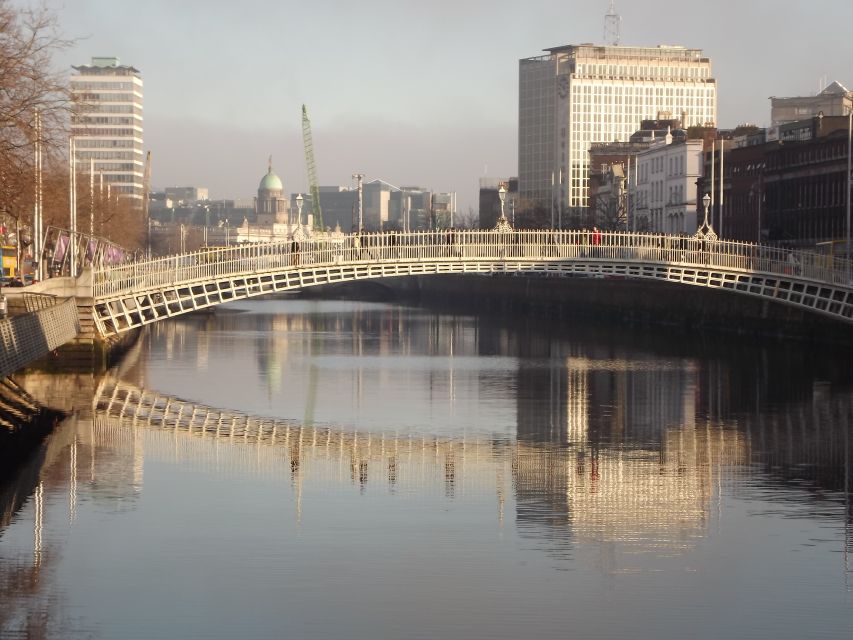
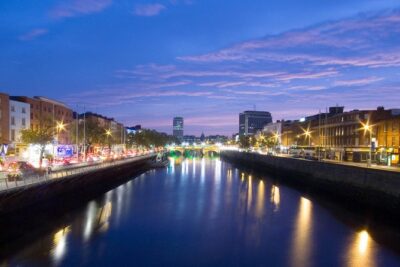
The Millennium Bridge takes the group across the River Liffey. This is a simple crossing, but it is one of the route’s useful transitions. You leave the southern side’s medieval quarter and Temple Bar and move into the north side of central Dublin.
The bridge also gives the guide room to talk about the river as a divider and connector. Dublin’s identity is tied closely to the Liffey, and crossing it on foot makes the city’s layout easier to understand than looking at a map.
One of the tour’s more playful discoveries involves a bridge that feels wobbly underfoot. The exact stop is presented as a surprise, but it shows the tone of the walk. You are not being marched from landmark to landmark with every minute devoted to formal history. Small physical details and local curiosities keep the route light.
Same part of the country, a completely different day out:
- Dublin: Guinness Storehouse Entry Ticket
★ 4.6 · 16,863 reviews - Irish Rock ‘N’ Roll Museum Experience Dublin
★ 5.0 · 6,112 reviews - Dublin: Jameson Whiskey Distillery Tour with Tastings
★ 4.7 · 4,859 reviews - Dublin Jameson Distillery Bow St. Tour and Tasting 45 mins
★ 5.0 · 4,690 reviews
The Italian Quarter and St Mary’s former church
On the north side, the walk passes through Dublin’s Italian Quarter and continues toward St Mary’s Church. The church is now a well-known café and bar, which makes it a memorable example of how old buildings receive new lives.
This is the sort of stop that can be missed if you follow only a standard sightseeing map. You see how Dublin’s architecture is reused rather than frozen in the past. At the same time, the outside-only format means you may want to return later if you wish to see the interior for yourself.
The route also includes a former Lisbon tram now serving as a café. It is an unusual detail, and it gives the walk a nice break from solemn monuments and political landmarks. You can expect the guide to connect these oddities with the wider story of Dublin’s streets, rather than presenting them as isolated photo opportunities.
Henry Street, Moore Street, and O’Connell Street
Henry Street and Moore Street bring you into a more commercial part of central Dublin. These streets help balance the earlier medieval and architectural stops with the city’s everyday shopping and market life.
From there, the walk heads toward O’Connell Street, Dublin’s main historic street on the north side. Its width and monuments make it feel different from the narrow lanes around Dublin Castle and Temple Bar. The change helps you read Dublin as a city of several distinct zones rather than one uniform center.
O’Connell Street is also where the tour’s political thread becomes stronger. The guide can point out the street’s monuments and explain the events that changed it. This is an area where buildings and public statues are tied closely to the story of Irish independence.
The General Post Office and the 1916 Rising
The General Post Office is one of the route’s most important stops. It served as the headquarters of the rebels during the 1916 Rising, and the fighting caused severe destruction to the building and much of the surrounding street.
You see the building from outside, but the location carries real weight. It connects a grand public street with the risks taken by the people who occupied the building and the damage that followed. The guide’s value here lies in explaining the human choices behind the event, not just reciting the year.
The O’Connell Monument adds another layer to the same street. Together, the monument and post office help you understand why O’Connell Street is more than a broad shopping avenue. It is also a public record of Irish political memory.
The former Parliament House and Trinity College
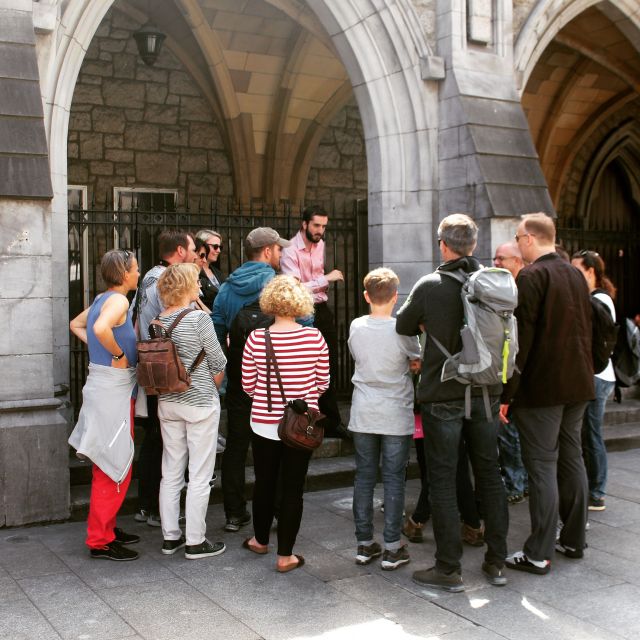
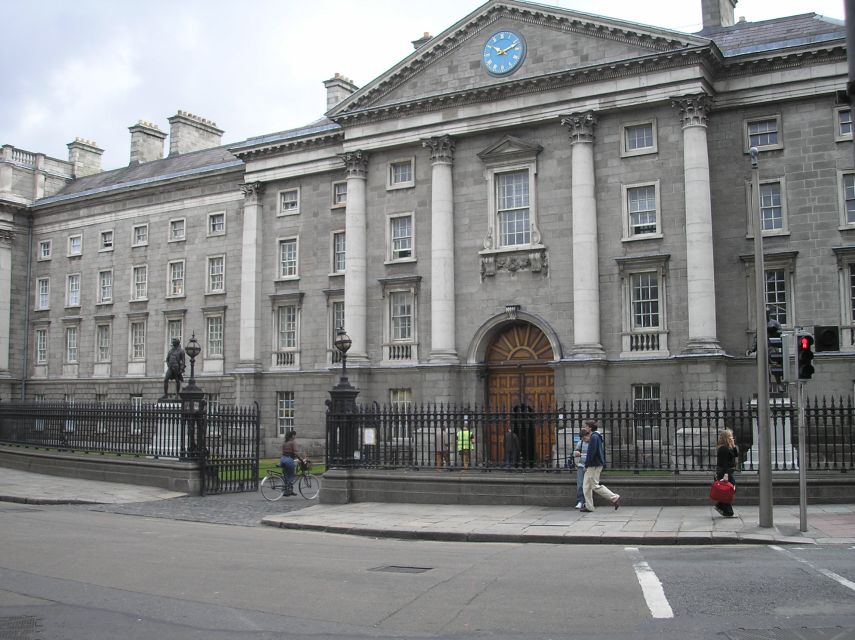
The final section leads toward the former 18th-century Houses of Parliament, now the Bank of Ireland. Its exterior gives you another useful lesson in Dublin’s political past and in the changing use of prominent buildings.
The walk then ends around Trinity College, with the famed Book of Kells as the final reference point. The book itself is not included in the walk, and the tour does not take you inside for a viewing. Still, finishing near Trinity is smart because you can decide afterward if you want to buy admission and see it independently.
There is a small logistical point to watch. The route description says the walk finishes outside Trinity College, while the meeting information says the activity ends back at the meeting point. Confirm the exact end location when booking, especially if you have a timed reservation at Trinity or another attraction.
What the guides add to the walk
The guide is the main reason to choose this experience over walking the same streets alone. Joe Brennan is noted for a well-judged delivery and pace. John O’Flynn is praised for making architectural and political subjects welcoming. Jacob is described as patient with questions and helpful with directions after the tour.
Katie brings humor and practical suggestions for the rest of a Dublin visit. Dave is also praised for making sure the group learned while having a good time. These comments point to a consistent strength: the tour is not meant to feel like a dry lecture.
I would still keep your expectations realistic. A walking tour depends on the individual guide, the size of the group, and the pace set on the day. The maximum is 16, and the operator can provide additional guides when needed. That is a useful limit, but it does not guarantee a private or leisurely walk.
Pace, access, and what is included
The walk lasts 2.5 hours and is conducted in English. It is listed as wheelchair accessible, though you should still consider the practical demands of a route through central streets, squares, and bridges. If you have specific mobility concerns, ask about the exact route and conditions before booking.
All stops are external. The price of $31 per person therefore pays for the guide’s time, route planning, local explanations, and company through a large part of central Dublin, not for admissions. I consider that fair value if you want orientation and stories, especially early in a stay. It is less attractive if your main goal is to spend those 2.5 hours inside Dublin Castle, Christ Church, or Trinity College.
The tour includes a professional, trained guide. Gratuity is not included, so plan for that separately if you wish to thank the guide. You can cancel up to 24 hours ahead for a full refund, and the reserve-now, pay-later option makes it easier to hold a place while your schedule is still taking shape.
Who will get the most from this Dublin walk
I would recommend this tour to a first-time visitor who wants the city’s layout explained in one sitting. It is also a good fit if you like political stories, odd architectural details, and local anecdotes more than a long series of formal museum visits.
Families and mixed-age groups may appreciate the manageable length and light humor. The route is also useful for solo visitors who want a friendly way to get oriented without committing to a full-day excursion.
You may want something else if you prefer a slow photographic walk, long interior visits, or a very narrow subject such as Irish literary history. The route covers a lot, so it gives you a broad introduction rather than exhaustive treatment of any one site.
My verdict on the $31 price
At $31, the value depends on how you use it. You are paying for access to a guide who can connect Dublin Castle, the medieval quarter, Temple Bar, the Liffey, O’Connell Street, and Trinity College into one readable story. You also get a route that includes several details you might pass without noticing on your own.
The strongest value comes when you take notes about places to revisit. After the tour, you can return to the Book of Kells, Christ Church, Dublin Castle, or St Mary’s Church on your own schedule. That turns the walk into a planning tool as well as a sightseeing activity.
The weaker value is for anyone expecting admission tickets or a quiet, slow-paced stroll. Since every main stop is viewed from outside and the route is full, the experience favors breadth and storytelling.
Should you book it?
Book this walking tour if you want a friendly, small-group introduction to central Dublin that balances famous landmarks with odd corners. I especially like it for the first or second day of a visit, when the route can help you understand where everything sits and give you ideas for later.
Skip it if you already know the center well, want extensive interior visits, or dislike a fairly active pace. For most first-time visitors, though, $31 is a sensible price for 2.5 hours of useful orientation, local stories, and Dublin details that are easy to miss alone.
FAQ
How long does the Dublin Highlights and Hidden Corners Walking Tour last?
The tour lasts 2.5 hours. Starting times vary, so check availability when booking.
Where does the tour start?
The meeting point is the Tree of Gold Statue, also called Crann an Óir, in Central Plaza on Dame Street, Dublin 2, at the corner of Dame Street and Fownes Street Upper.
Where does the tour finish?
The route description says the walk finishes outside Trinity College. The meeting information also says the activity ends back at the meeting point, so confirm the exact end location when booking.
Is entry to Dublin Castle, Christ Church Cathedral, or Trinity College included?
No. All visits are external, although the guide provides opportunities and suggestions for visiting sites after the walk.
Is the tour conducted in English?
Yes. The live tour guide speaks English, and English is the listed tour language.
How large is the group?
The maximum group size is 16 people. Additional guides may be provided when required.
Is the tour wheelchair accessible?
Yes, the activity is listed as wheelchair accessible. If you have specific access needs, confirm the route details before booking.
Just added around Dublin
- Women Of Ireland: Trailblazers & Pioneers★ 5.0 · 4 reviews
- Whiskey Tasting Tour of Dublin★ 5.0 · 117 reviews
- Premium Irish Whiskey Tasting Hosted by Local Dublin Expert★ 5.0 · 77 reviews
- Historical Walking Tour of Dublin★ 5.0 · 50 reviews
- Dublin (Dun Laoghaire) Top-Rated Coastal Walking Tour★ 5.0 · 80 reviews
- Semi-Private (8people max) 2.5 Hr Dublin Walking Tour★ 5.0 · 69 reviews
- Private Ultimate Day in Dublin (Walking Tour)★ 5.0 · 30 reviews
- DayTripper Dublin: A Guided City Walking Tour★ 5.0 · 90 reviews
Walking Tours, compared.
Dublin Highlights and Hidden Gems Guided Walking Tour
Our verdict on it →
90 Minute Dublin Walking tour and Sightseeing tips
Our verdict on it →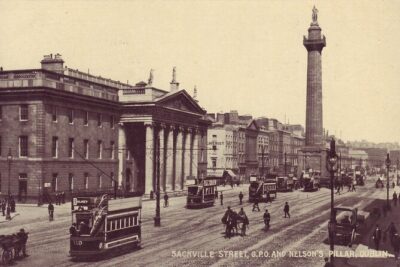

Dublin Traditional Irish 3 Course Meal Walking Tour with Local
Our verdict on it →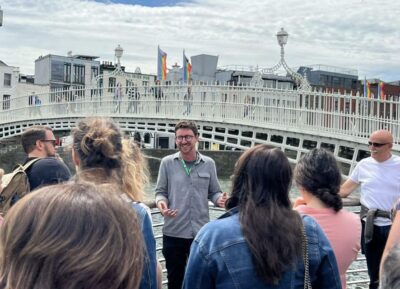
Browse the lists this tour appears in